
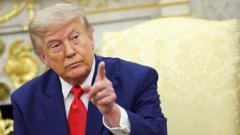
The US is back at it again, folks! This time, they’re imposing new tariffs on around 60 trading partners, a move that shakes up a significant chunk of its imports. Why? Well, it’s all about claims that these countries haven’t done enough to tackle forced labour. The tariffs, which range from 10% to 12.5%, cast a wide net, targeting major economic players like the UK, China, the EU, Canada, Japan, and India. This new wave of duties rolls in just as a temporary 10% tax on foreign goods—introduced earlier this year—expires this Friday.
Let’s break it down a bit. This isn’t just a random decision; it’s part of a broader escalation in the global trade war that kicked off when President Donald Trump returned to office last year. Remember earlier this year when the US Supreme Court ruled that many of the tariffs slapped on other countries under emergency powers were illegally enacted? Yeah, that was a big deal. So now, Trump is finding other legal routes to push his trade agenda forward.
Just last month, the White House suggested these hefty duties on goods coming from multiple countries. The concern? They simply aren’t doing enough to combat forced labour practices. Fast forward to Thursday, and US Trade Representative Jamieson Greer, acting under Trump, made the announcement. He invoked Section 301 of the Trade Act of 1974, which is all about enforcing US trade practices that hinder American commerce.
Earlier this week, the administration took it a step further, using Section 338 of the Tariff Act of 1930 to slap a whopping 50% tariff on products from Canada. Talk about a tough stance! The latest tariffs are aimed at the top 60 trading partners of the US, covering a staggering 99.4% of all US imports. That’s a massive chunk of change, folks!
Now, let’s hear from the experts. Wendy Cutler, an economic security expert, pointed out that most trading partners are likely to be disappointed with these new levies. They’ll probably be scrambling to find ways to lessen their dependence on the US market. The Brazilian government, which is facing a new 12.5% tariff, even stated it would respond with measures under its “reciprocity law,” calling the tariffs completely unjustified.
Trump has been adamant that these tariffs are here to protect American workers and bolster the US economy. Remember back in April 2025 when he imposed tariffs of up to 50% on global partners during what he called “Liberation Day”? It’s clear that these trade moves are shaping the economic landscape in ways that are sure to have lasting impacts.
So, what’s next? As the dust settles, many are left wondering how these developments will reshape international trade relations moving forward. The stakes are high, and this trade game is far from over…
Kaynak: Orijinal Haber