EasyJet and US Firm Castlelake Reach Agreement on £5.2 Billion Takeover

EasyJet has reached an agreement in principle with a US investment firm, Castlelake, regarding a potential takeover offer that could be worth around

EasyJet has reached an agreement in principle with a US investment firm, Castlelake, regarding a potential takeover offer that could be worth around £5.2 billion. The Luton-based low-cost airline had earlier turned down four previous offers from Castlelake, which currently holds a 2.14% stake in EasyJet through its managed funds. The rejected offers were priced at £6.50, £5.60, £6, and £6.25 per share, prompting EasyJet to accuse Castlelake of attempting to acquire the airline “on the cheap.”

On Sunday, EasyJet’s board confirmed that they would discuss the official terms of the proposed offer, should a firm offer be made. This news comes as EasyJet’s stock has seen a significant decline, dropping by more than 30% over the past year, which has raised concerns in the market. Castlelake, managing assets worth around $36 billion (£27.3 billion), is now in a position to potentially influence the future of one of Europe’s major airlines.

The latest agreement marks a significant shift in negotiations, as EasyJet had staunchly rejected Castlelake’s earlier attempts. It’s worth noting that the airline is currently navigating a tough economic landscape, which has left many in the industry wondering about its future. The recent downturn in stock price has led to increased scrutiny from investors, and this takeover bid could either stabilize or complicate matters further.

As the situation develops, it’s clear that both EasyJet and Castlelake are keen to find common ground. Will this agreement lead to a full takeover, or will the negotiations hit another roadblock? The aviation world is watching closely, as the implications of this potential deal could resonate throughout the industry.

Kaynak: Orijinal Haber

What Sky’s ITV Acquisition Means for Your Favorite Shows

Sky is eyeing ITV, the UK’s oldest commercial network, with a potential acquisition that could shake up the broadcasting landscape. Launched in 1955

Sky is eyeing ITV, the UK’s oldest commercial network, with a potential acquisition that could shake up the broadcasting landscape. Launched in 1955 to compete with the BBC, ITV has been a staple for British viewers, bringing us beloved shows like “Love Island,” hosted by Maya Jama. Now, with rumors swirling about Sky’s intentions, we have to ask: what does this mean for the shows you love?

Sky aims to bolster its streaming services by acquiring ITV’s broadcast division, which could lead to a new rival for streaming giants like Netflix and Disney Plus in the UK. This isn’t just about numbers; it’s about your viewing experience. As ITV looks to adapt to the changing media landscape, some shows that typically air for free on ITV may find themselves behind a paywall on a subscription platform. But don’t worry! Classics like “I’m a Celebrity” will still be available on ITV and ITVX, produced by ITV Studios.

This merger could streamline operations and cut production costs by integrating ITV’s services with Sky’s technological platform. Imagine your favorite genres bundled together, making it easier to find what you want to watch. What’s more, it could allow for exciting new shows, such as “Two Birds,” a thriller starring Sheridan Smith. But let’s not forget, some industry insiders believe that the end of linear television is overstated.

As a producer and viewer, this deal signals Sky’s confidence in ITV. They see potential for growth and a loyal audience base that ITV has cultivated over decades. ITV’s unique local programming is vital; it would be a misstep for a Sky-ITV venture to ignore British-centric shows. This is why certain major events, like Wimbledon and the World Cup, remain on traditional networks—drawing millions of viewers and substantial advertising revenue.

For viewers, the future could mean seeing familiar faces and shows on both Sky and ITV platforms. “Coronation Street” might not pull in the numbers it used to, but it still has a solid audience of four to five million. New ventures like “ITV Caravan Park,” featuring Danny and Dani Dyer, could reach even broader audiences post-deal.

Now, an interesting twist—ITV, as a public service broadcaster, has to maintain a prominent spot on TV menus, ensuring viewers can easily find it. UK regulations dictate that public service channels be accessible, benefiting from a prime position on electronic guides. This license, valid until 2034, mandates that ITV broadcasts a specified amount of news and original programming. So, for the next several years, it’s business as usual.

However, there’s buzz at ITN, the news service that has provided ITV’s bulletins since its inception. Their contract has been extended until 2031, but what happens afterward? Would it make sense for Sky to operate two separate newsrooms? Could Sky News start producing major bulletins like “News at Ten,” or will ITN handle that for Sky’s news channel? By the time the license expires, the media scene may look vastly different.

So, what does all this mean for you? Will your favorite shows remain accessible, or will they end up behind a paywall? As the dust settles on this potential acquisition, one thing is certain: the media landscape in the UK is evolving, and we’ll be here to keep you updated on all the twists and turns.

Kaynak: Orijinal Haber

EBRD Boosts Kazakhstan’s Mining Sector with €255 Million Loan!

The European Bank for Reconstruction and Development (EBRD) has taken a significant step to support Kazakhstan’s mining industry, especially its gold

The European Bank for Reconstruction and Development (EBRD) has taken a significant step to support Kazakhstan’s mining industry, especially its gold sector. The bank is providing a hefty €255 million loan aimed at constructing the Ertis pressure oxidation hydrometallurgical complex located in the Pavlodar region. This facility, developed by Solidcore Resources, is set to process a whopping 278,500 tonnes of gold concentrate each year. Now, that’s a game-changer!

What’s the deal? Well, Kazakhstan’s gold resources are mostly trapped in refractory ores, which means they can’t be processed using standard methods. This investment is expected to usher in a new metallurgical segment in the country, enhancing value-added production in a mining sector that currently contributes around 12% of the nation’s GDP. Can you believe that? A sector that plays such a huge role in Kazakhstan’s economic landscape is about to get a major facelift!

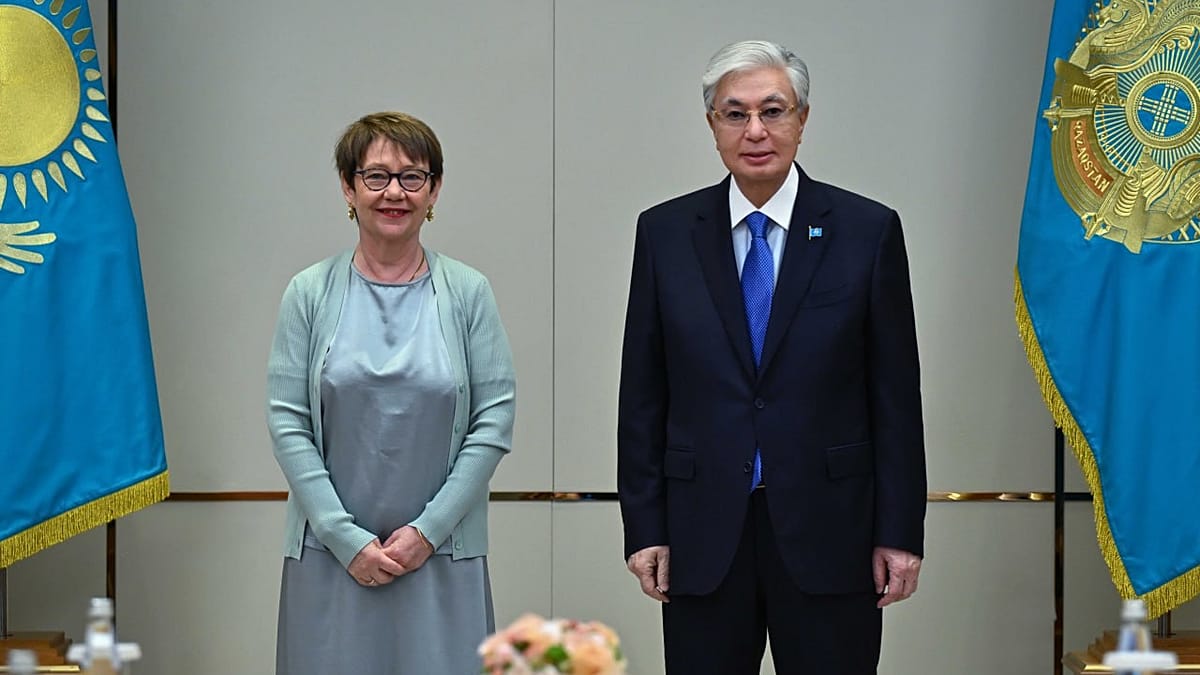
EBRD President Odile Renaud-Basso shared her insights with Euronews, emphasizing that this Pavlodar project could open doors for even more investments in Kazakhstan. She pointed out the importance of critical minerals for artificial intelligence and digitalization, saying, “We hope to find the right partners and the right projects to continue investing.” Isn’t it fascinating to see how mining can tie into tech advancement?

Now, let’s not forget the bigger picture; the EBRD’s cumulative investment in Kazakhstan has surpassed €11 billion over more than 340 projects. That’s no small feat! This makes the EBRD one of the key players in the country’s economic development. Renaud-Basso also highlighted the bank’s work on the Middle Corridor, suggesting that AI could modernize customs procedures and enhance border management. Just imagine smoother trade routes connecting Europe and Asia!

Kazakhstan is really making strides here. With strong government backing, an expanding digital infrastructure, and a budding innovation ecosystem, the country is positioning itself to be a regional hub for artificial intelligence. As they aim to climb higher in the minerals value chain, both industrial investments and regulatory reforms will be crucial for ensuring long-term growth.

So, what does the future hold for Kazakhstan’s mining sector? Will this loan spark a transformation that resonates throughout the industry? We’ll have to keep an eye on this one!

Kaynak: Orijinal Haber

Former John Lewis Chief Warns: Tackling Workplace Sickness is Key to Economic Growth

Tackling unemployment linked to long-term illness could be the secret to unlocking significant economic growth in the UK. This revelation comes from

Tackling unemployment linked to long-term illness could be the secret to unlocking significant economic growth in the UK. This revelation comes from the former John Lewis boss, Sir Charlie Mayfield, who emphasized that major employers like British Airways, Tesco, Royal Mail, and various government departments have joined his initiative, the Get Britain Working taskforce. The aim? To prevent people from dropping out of the workforce due to health issues and to encourage those currently on sick leave to return.

You wouldn’t believe it, but according to official figures, this chronic issue is costing the UK a staggering £212 billion a year! That’s right, £212 billion! Sir Charlie pointed out that this isn’t just about numbers; it’s about real lives and the economy. But here’s the catch: some employers have expressed concerns that tax increases are making it tough for them to invest in workplace health. Others have raised alarms about the ethics of pushing sick individuals back into work prematurely. It’s a real conundrum, folks…

The taskforce aims to keep tabs on sickness absence, track return-to-work outcomes, and monitor disability participation. This is a game changer, as it will make workplace health performance visible for the first time. Many large businesses, including Sainsbury’s, are on board with this initiative, and they’re hoping to change the narrative around workplace health.

Sir Charlie shared, “I can’t tell you how many people I’ve met who said: ‘That’s not because the employer is a bad person. It’s because we’ve got a situation at the minute where people don’t talk to each other when they really need to.’” This is a wake-up call for all of us. The current welfare bill, according to government projections, is estimated to make up 23.6% of the total government spending in the 2025 to 2026 fiscal year. Sir Charlie believes that addressing these health issues could help reduce that burden.

He added, “This is not a zero-sum game.” It’s about finding solutions that benefit everyone and not just waiting for a new generation to enter the workforce. After all, this is growth hiding in plain sight!

And here’s the kicker: Sir Charlie hinted that even political figures, like Burnham, might back these plans. “I can’t see any reason why he wouldn’t,” he said, highlighting the urgency and potential behind this initiative.

So, what’s next? Are we ready to face the challenge of long-term illnesses affecting our workforce? The economic crisis linked to an £85 billion sickness bill is looming over us like a dark cloud. Let’s hope that these efforts will bring some much-needed light…

Kaynak: Orijinal Haber

Why Are So Many Retired People in Europe Still Working for Financial Reasons?

In many parts of Europe, the phenomenon of retirees continuing to work is becoming more pronounced. It’s not just a matter of staying active or soc

In many parts of Europe, the phenomenon of retirees continuing to work is becoming more pronounced. It’s not just a matter of staying active or social; for many, financial necessity is the driving force behind this trend. As the cost of living continues to rise, more seniors than ever find themselves needing to supplement their pensions or savings.

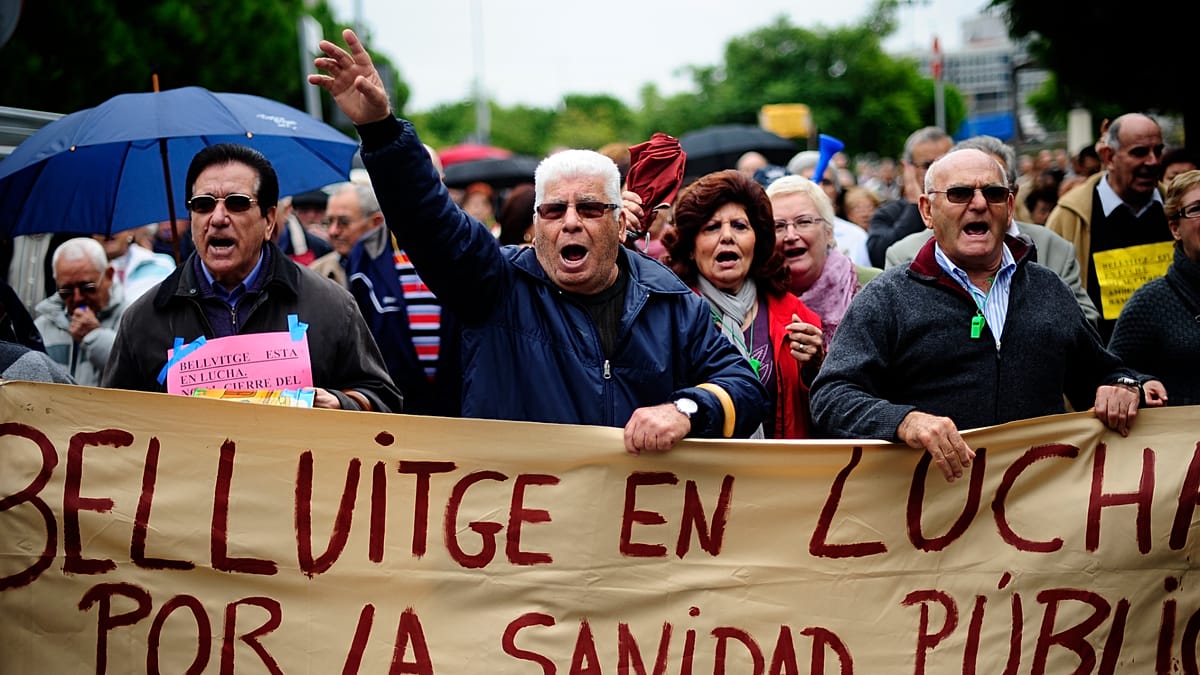
Countries like Italy and Spain have shown alarming statistics. A recent survey revealed that nearly 40% of retirees in these nations are still working, primarily due to inadequate pension systems and soaring living expenses. Imagine that! People who’ve spent decades working are now finding themselves in a position where they must clock in again, often in jobs far removed from their previous careers. Isn’t that something?

In Germany, the situation is somewhat similar. The pension system there, while more robust compared to southern Europe, still leaves many retirees feeling the pinch. Reports indicate that around 30% of retired individuals are taking on part-time work. They’re not just doing it for fun; it’s a necessity. Folks are saying that their pensions aren’t enough to make ends meet, especially with rising healthcare costs and everyday expenses. Can you believe that?

Then there’s the UK, where the story unfolds a bit differently. Many retirees are choosing to work—not necessarily out of financial necessity, but simply to keep busy. However, the rising inflation rate is starting to change that narrative. A recent report pointed out that approximately 25% of retirees in the UK are now seeking additional income sources, which wasn’t as common a few years ago. They’re realizing that retirement isn’t the endless vacation they once envisioned…

Let’s not forget about Eastern Europe. In countries like Bulgaria and Romania, the situation is even more dire. The average pension is shockingly low, compelling many retirees to find work just to survive. Statistics show that over 50% of retirees in these regions have taken up jobs, often in demanding sectors like agriculture or retail, just to pay their bills. Can you imagine working in your 70s just to afford basic necessities? It’s a tough reality.

So, what’s the takeaway here? As we venture further into the 21st century, it’s clear that the traditional concept of retirement is evolving. With financial pressures mounting, many retirees are finding themselves back in the workforce. It raises a pressing question: how will societies adapt to support an aging population that may need to work longer? The answer remains uncertain, but one thing is clear—the conversation around retirement and financial security is far from over.

Kaynak: Orijinal Haber

England’s 1am Match: Will Bosses Allow Flexible Work Hours?

As World Cup excitement hits fever pitch, the clock is ticking down to England’s clash with Mexico, set to kick off at 01:00 BST on Monday. But here

As World Cup excitement hits fever pitch, the clock is ticking down to England’s clash with Mexico, set to kick off at 01:00 BST on Monday. But here’s the kicker—will employers show flexibility to their bleary-eyed fans? Joshua Elash, head of the London-based MT Fice Group, is leading the charge by allowing his team to roll in at 11:00. “It wasn’t actually a work from home policy here,” he clarifies, “We’re an office company, so we think it’s only fair to extend that to the rest of the team. Under normal circumstances, all 125 of them would be here in the office at 08:45 or 09:00 Monday morning. But this Monday? That’s a no-go.”

Now, not all industries are on board with this flexible approach. Manufacturing and retail sectors are likely to find it tough to accommodate such changes. However, some businesses are stepping up, offering fans a chance to catch those extra Zs after a late night of football. Kevin Craig, the founder and CEO of communications agency PLMR, is among those who get it. “When I realized England were going to be playing at 01:00, I just instinctively knew it was the right thing to do,” he says. Yet he acknowledges that not every organization can swing it.

In the automotive world, Nissan isn’t changing their hours, while Sainsbury’s supermarkets have also opted not to alter their schedules. Meanwhile, Greg Jackson, the CEO of another company, is making arrangements to ensure employees can watch the game without compromising safety. “We want to make sure that before people drive and do safety-critical work, they’ve had a bit of rest but also that they can watch the game,” he mentions. Their plan involves covering shifts with colleagues from Bosnia and South Africa, and those who show up will be rewarded with snacks in the morning. Sounds like a win-win, huh?

Zaid Patel, a director at Highcastle Estates, has taken a different route, canceling his team’s Monday morning meeting altogether. “I’ll get the black coffees ready,” he quips. He’s all about fostering a culture of trust and understanding within his business. Michelle Last from Keystone Law points out that employees who are tired might show up unproductive or worse, call in sick. “The alternative is that the employee might call in sick or turn up for work tired and unproductive in any event,” she explains. Alison Loveday, a consultant with LLM Solicitors, adds that while allowing unpaid or annual leave could be a solution, the short notice might make it difficult for employers to approve such requests.

So, what’s the plan, folks? Are you going to stay up late to cheer on England, or will you be facing work bleary-eyed on Monday morning? Pubs are allowed to stay open until 5am for the match, but some police are raising eyebrows over the timing of that decision. Will this flexibility become the norm for future matches, or is this just a one-off for the World Cup? Time will tell…

Kaynak: Orijinal Haber

Will Your Boss Let You Sleep In After England’s Late Night Match?

As England gears up for a thrilling clash against Mexico at the World Cup, set to kick off at 01:00 BST, workplaces across the country are buzzing w

As England gears up for a thrilling clash against Mexico at the World Cup, set to kick off at 01:00 BST, workplaces across the country are buzzing with questions about flexibility on Monday morning. Joshua Elash, the head honcho of London-based MT Fice Group, has decided to let his staff roll in at 11:00 AM instead of the usual 08:45 or 09:00. “It’s only fair to extend that to the rest of the team,” he said, adding that this decision is all about boosting morale even if productivity might take a hit on that day. You can only imagine the excitement—125 employees will be able to catch some extra Z’s after cheering on their team!

Now, not every industry can afford such leeway. Manufacturing and retail sectors, for instance, are less likely to adjust their hours, but many businesses are starting to offer late starts for their bleary-eyed fans. Kevin Craig, the CEO of communications agency PLMR and a die-hard football aficionado, shared his instinctive response when he learned of the match timing: “I just knew it was the right thing to do.” It’s a special occasion, and he believes in making provisions for those who might be clocking in after a late night of football.

Over at Nissan, however, it’s all business as usual despite the match. That’s right, no late starts there. In contrast, Greg Jackson, another CEO, is making sure his team can rest up before they hit the road for safety-critical work. He’s even brought in colleagues from Bosnia and South Africa to cover shifts, and the early birds will be rewarded with some morning snacks. Talk about a team spirit boost!

Then there’s Zaid Patel from Highcastle Estates, who’s completely canceled work for his team. “I’ll get the black coffees ready,” he quipped, emphasizing the importance of trust and culture within his business. Meanwhile, Michelle Last from Keystone Law pointed out that employees might end up calling in sick or just dragging themselves into work, unproductive and exhausted. It’s a tough call for many employers to approve unpaid or annual leave on such short notice, as Alison Loveday from LLM Solicitors noted.

With pubs allowed to stay open until 5 AM for the big match, you can bet the excitement is palpable. But will your boss be as flexible? As the time draws near, one thing’s for sure—fans are eager to watch their team. Will Monday see a wave of sleepy employees or will they be raring to go after a late night of cheering? Only time will tell.

Kaynak: Orijinal Haber

Former John Lewis Boss Urges Action on Workplace Illness for Economic Boost

Tackling unemployment linked to long-term illness is essential for unlocking economic growth that’s, believe it or not, “hiding in plain sight,” a

Tackling unemployment linked to long-term illness is essential for unlocking economic growth that’s, believe it or not, “hiding in plain sight,” according to the former head of John Lewis. The taskforce, dubbed “Get Britain Working,” has attracted support from some of the UK’s largest employers, including British Airways, Tesco, Royal Mail, and various government departments. This group aims to tackle the alarming trend of people dropping out of work due to ill-health and to encourage those who have been signed off to return to their jobs. Official figures reveal that this issue is costing the UK a staggering £212 billion every year.

But here’s the kicker: some employers have raised concerns that rising taxes are making it tough for businesses to invest in health initiatives. Others have warned against pushing ill people back to work too quickly. The participating companies are set to monitor sickness absence, track return-to-work outcomes, and assess disability participation. This initiative, the government says, will shine a light on workplace health performance for the very first time. Many major UK businesses, including Sainsbury’s, are on board. It’s worth noting that many individuals I’ve encountered have remarked, “It’s not that the employer is a bad person; it’s that people just don’t communicate when they need to.” It’s a crucial point that reflects the current state of workplace dynamics.

Sir Charlie, the former John Lewis chief, has also pointed out the potential to reduce the welfare bill, thereby freeing up funds for other areas. Government statistics predict that total welfare spending in Great Britain will account for 23.6% of the total government expenditure for the fiscal year 2025 to 2026. Sir Charlie argues that his strategies could help trim that bill, saying, “This is not a zero-sum game.” He hinted at the possibility of support from local leaders like Burnham, stating, “I can’t see any reason why he wouldn’t back growth that is so clearly there.”

We’re at a point where we don’t have to wait for a new cohort of young workers to join the workforce. This is essentially growth that’s hiding in plain sight. Sir Charlie’s call to action comes at a critical time when the UK is grappling with an over £85 billion sickness bill, highlighting the urgent need to address workplace health issues effectively.

The question remains: will these initiatives truly make a difference, or will they be just another passing trend? Only time will tell as we watch this crucial situation unfold…

Kaynak: Orijinal Haber

How Much to Gift? The New Wedding Etiquette Dilemma

Johnny and Lottie, a couple who tied the knot last September, received £4,000 from their wedding guests—yes, you heard that right! Being a weddin

Johnny and Lottie, a couple who tied the knot last September, received £4,000 from their wedding guests—yes, you heard that right! Being a wedding guest nowadays can be quite the financial strain, and there’s another cost to consider: how much to give as a gift. These days, it’s common to see invitations that forego the traditional gift list in favor of bank transfer details. This shift has sparked a new etiquette dilemma for guests: just how much are you expected to contribute?

According to wedding list service Prezola, there’s been a noticeable increase in couples inviting guests to fund specific experiences instead of just a generic cash pot. The average guest contribution is around £116, but let’s be honest—expectations can vary like night and day, depending on your relationship with the couple, your cultural background, and, of course, the cost of attending. Johnny, who’s 34, explains that he and Lottie usually give between £250 to £400 based on how close they are to the bride and groom and what their finances allow at the time. “We don’t have that many friends, so it’s nice to give generously,” he admits.

The couple even turned their wedding contributions into spending money for their 17-day honeymoon in Canada—a trip they saved up for because, as Johnny puts it, “it’s not worth the risk of relying on donations.” They also got creative with their invitations by including QR codes for guests to scan at the bar, making it easier to contribute. And while they received lovely gifts like champagne and flute glasses from Johnny’s boss, he mentioned that they already have a ton of those items, hinting they might get re-gifted. “They mean well, but it probably means you…” he trails off, chuckling.

Now, not everyone sees cash gifts the same way. Chelsea Chivers, who’s gearing up for her wedding in August, has a firmer stance. “Some people see money as impersonal and think it’s awkward to give,” she states. It’s true! Nobody wants that random dish that just doesn’t fit. If left to him, he’d probably give about £50—feels a little impersonal, right? Even though he’s not engaged yet, he’s already discussed with his partner what they might ask for if they decide to tie the knot. As avid record collectors, they’re hoping to ask guests to bring a record that brings them joy—how sweet is that?

Interestingly, not all newlyweds are using cash gifts for their honeymoon. Take Roxie Westwood, for example. She ended up using the money received, around £100 per couple, for IVF treatments instead. “We had hoped we’d conceive naturally, but that just wasn’t happening,” she shares. When reality kicked in, she turned to guests who contributed funds for experiences like massages or scuba diving, making it easier to justify her spending when money is tight.

In the UK, guests are likely to spend those contributions on travel, hotels, and other costs that come with attending a wedding. “I’d be put off if he asked to split it,” one guest mentioned, highlighting the pressure to contribute while also managing personal expenses.

So, as you can see, the question of how much to gift at weddings is evolving. It’s not just about the money; it’s about the experiences and connections we cherish. As couples continue to adapt to these changes, one can’t help but wonder: what will the future of wedding gifting look like?

Kaynak: Orijinal Haber

How Much Should You Gift at a Wedding? The New Etiquette Dilemma

Being a wedding guest can be a costly affair, and it’s not just the outfit or the travel expenses that can burn a hole in your pocket. The big ques

Being a wedding guest can be a costly affair, and it’s not just the outfit or the travel expenses that can burn a hole in your pocket. The big question that seems to loom over every invite is: how much should you actually gift? It’s a dilemma that many couples and guests alike are grappling with in this modern age, where cash gifts are becoming more common than traditional wedding lists.

Take Johnny and Lottie, for instance. At their wedding last September, they raked in a staggering £4,000. They’ve found themselves navigating the fine line between generosity and practicality when it comes to gifting. “We typically give between £250 and £400,” Johnny, 34, shared. Their gift amount largely hinges on their relationship with the couple and their own financial situation at the time. This couple didn’t just pocket the cash; they used it for their 17-day honeymoon in Canada, which they had been saving for, stating, “It’s not worth the risk of relying on donations.”

Interestingly, the trend is shifting towards couples asking for experiences rather than just cash. Wedding list service Prezola highlights this change, noting that the average guest contribution is around £116. Some couples are now inviting guests to chip in for specific experiences, creating a more personalized touch. Chelsea Chivers, who is set to tie the knot in August, expressed her views on this topic. “Some people see money as impersonal and think it’s awkward to give, but nobody wants that random dish,” she said, emphasizing the need for meaningful gifts.

Not every newlywed is planning to use cash gifts for their honeymoon. Roxie Westwood, for example, directed the money she received towards IVF treatments. “We didn’t expect any gifts, but guests still gave about £100 per couple,” she recounted. “We had hoped to conceive naturally, but when reality kicked in, we had to adapt.” The couple’s situation mirrors a growing trend where gifts are directed towards pressing life needs rather than just celebratory expenses.

And what about the expectations that come with these gifts? In the UK, guests are often more likely to spend their money on travel, accommodation, and other related costs of attending the wedding. The dynamics of gifting can be influenced by cultural backgrounds, the nature of the relationship, and, of course, the financial burden that comes with attending the event.

So, what’s the takeaway here? As wedding season rolls around, it’s clear that the expectations surrounding wedding gifts are evolving. The key seems to lie in knowing your relationship with the couple and balancing generosity with practicality. Will this shift in gifting norms continue to evolve, or will we see a return to traditional gift-giving? Only time will tell…

Kaynak: Orijinal Haber