
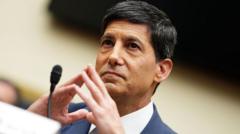
The Chairman of the Federal Reserve, Kevin Warsh, stated that there is no “magic wand” solution to the ongoing challenge of rising prices, emphasizing that the Fed’s target of a 2% inflation rate has been out of reach for over five years. In a recent meeting, policymakers voted 9-3 to hold interest rates steady, with three members advocating for a slight increase. This decision comes at a time of increasing uncertainty regarding the impact of the ongoing conflict in the Middle East, particularly concerning global oil prices and the subsequent effects on consumers. On Wednesday, the price of Brent crude oil, a global benchmark, surged over 6%, surpassing $89 per barrel.
Despite inflation rates decreasing to 3.5% in the year leading up to June, the pace at which prices are rising remains above the Fed’s 2% target. Warsh expressed the Fed’s commitment, stating, “We are on the job, we will deliver, we are focused like a laser on making sure we can do it.” However, he cautioned against the notion that a simple solution exists, stating, “I want to disabuse you and everyone else of the suggestion we are going to be able to wave with our magic wand.” This sentiment resonates amid rising tensions and uncertainties stemming from the Middle Eastern conflict.
Following the Fed’s decision, U.S. stock markets took a hit, with the benchmark S&P 500 index hitting its lowest level in a month. The tech-heavy Nasdaq saw a decline of approximately 9% since reaching its record high in June, while the Dow Jones index experienced its largest drop of the day at 2.19%. The markets have been shaken by recent downturns in AI-chip stocks, worries over the hefty spending by major tech firms on AI infrastructure, and the rising oil prices, which have added to the inflationary pressures.
Richard Flynn, managing director at Charles Schwab UK, pointed out that the “biggest smoke signal” from the Fed is their lack of tolerance for persistently elevated inflation. As the U.S. mid-term elections draw nearer, President Trump has emphasized the significance of the Fed’s decisions, aiming for them to remain apolitical and focused on economic stability.
The situation remains dynamic, and as the Fed grapples with inflation and external pressures, it raises the question: How long can these economic challenges persist without a palpable solution?
Kaynak: Orijinal Haber