Blue Origin Rocket Explosion: A Setback in NASA’s Artemis Program

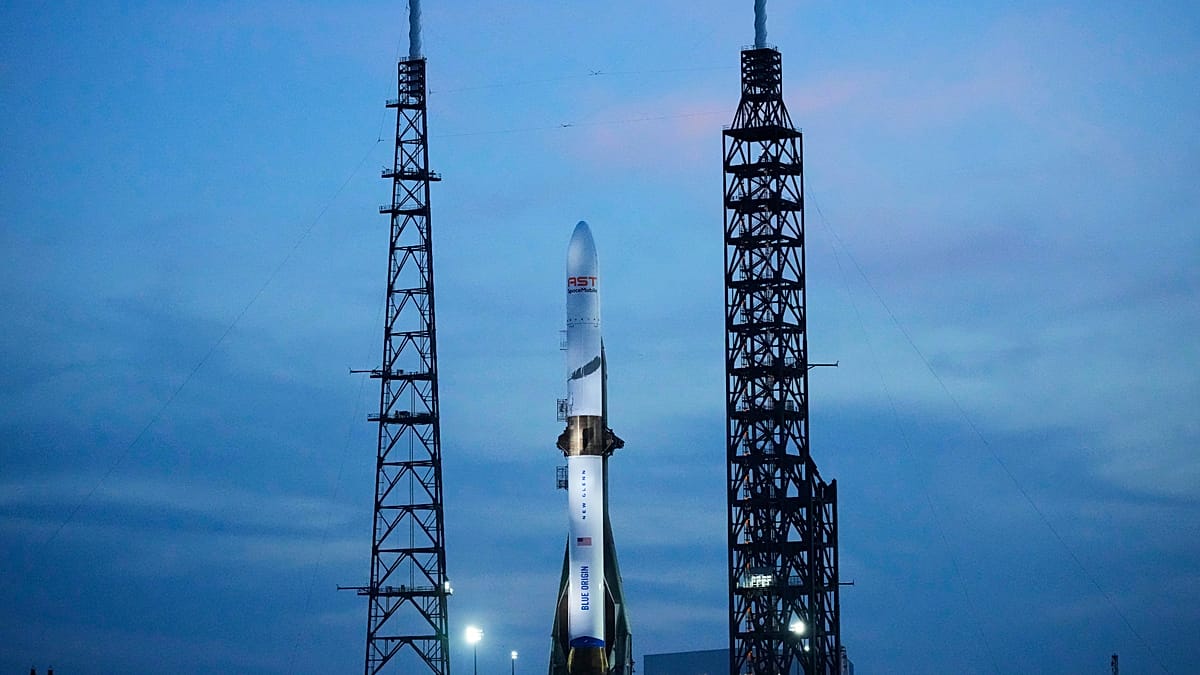
Blue Origin’s Artemis program faced a significant setback as one of its rockets exploded during an engine-firing test on the launch pad. This unfortu

Blue Origin’s Artemis program faced a significant setback as one of its rockets exploded during an engine-firing test on the launch pad. This unfortunate incident, described by Jeff Bezos, the founder of Blue Origin, as a “rough day” on social media, has raised concerns about the reliability of the company’s heavy-lift launch capabilities. Bezos reassured followers that the company would “rebuild whatever needs rebuilding” and continue with its flight campaign, highlighting the resilience of the team.

NASA Administrator Jared Isaacman weighed in on the matter, stating on X that “spaceflight is unforgiving,” and emphasized the extraordinary difficulty of developing new heavy-lift launch capabilities. He mentioned that they would assess any potential impact on the Artemis program, including the ambitious plans for a lunar base that he recently outlined. The explosion, occurring during a critical testing phase, presents not only a technical challenge but also a substantial emotional hurdle for the team involved.

In a show of solidarity, SpaceX CEO Elon Musk reacted to the incident by expressing his support for Blue Origin. Musk’s message on X, “Sorry to see this, I hope you recover quickly,” underscores the competitive yet collegial atmosphere within the aerospace industry as both companies race to build launcher rockets for future Moon missions under NASA’s Artemis program. This initiative is set to see humans return to the lunar surface for the first time since the Apollo missions of the 1960s and 1970s.

Blue Origin has secured contracts linked to upcoming Artemis flights, which makes this incident particularly concerning for its timeline and future projects. Meanwhile, SpaceX continues to develop its Starship system for deep-space missions, though it too has faced repeated technical setbacks during testing. These developments are critical as both companies strive to fulfill NASA’s vision for lunar exploration.

The stakes are high as the space race heats up, and both teams understand that setbacks are part of the journey. Blue Origin’s commitment to overcoming this explosion and continuing its mission is a testament to the dedication within the industry. With the future of lunar exploration hanging in the balance, it remains to be seen how this incident will affect the overall Artemis program timeline and what it means for humanity’s next giant leap into space.

Kaynak: Orijinal Haber

Spain and EU Unveil New €10 Million Quantum Computer in Barcelona!

In a groundbreaking move for technology and innovation, Spain and the European Union have launched a state-of-the-art quantum computer worth €10 m

In a groundbreaking move for technology and innovation, Spain and the European Union have launched a state-of-the-art quantum computer worth €10 million in the vibrant city of Barcelona. This monumental event took place on Tuesday, marking a significant milestone in the realm of quantum computing, which is expected to revolutionize various sectors, from medicine to finance.

The new quantum computer, which is one of the most advanced in Europe, is set to provide researchers and scientists with unprecedented computational power. This means they can tackle complex problems that traditional computers struggle with. Can you imagine? Problems in materials science, cryptography, and drug discovery will now be addressed with a speed and efficiency that was previously thought to be impossible. The launch aims to position Spain as a leader in the quantum technology race within the EU and beyond.

During the unveiling ceremony, officials emphasized that this quantum computer will not only enhance research capabilities but also create new job opportunities in the tech sector. It’s a huge step forward for the local economy and a boost for talent in the region. “We are committed to making Spain a hub for innovation,” stated Maria Gonzalez, a spokesperson for the Spanish government. “This investment will attract top researchers and companies to Barcelona.”

Moreover, the collaboration between Spain and the EU highlights a united front in fostering technological advancement. While some skeptics question the practicality of quantum computing, the overwhelming excitement in the air during the launch was palpable. Researchers in attendance couldn’t hide their enthusiasm, discussing potential applications and breakthroughs that might soon be possible.

Now, the question on everyone’s mind is: how soon before we see tangible results from this quantum leap? The next few years will be critical as scientists and engineers begin to explore the full capabilities of this powerful machine. It’s clear that the future is bright, but we’ll have to keep an eye on how quickly these developments unfold. Will this be the game-changer that propels Europe to the forefront of global tech innovation? Only time will tell…

Kaynak: Orijinal Haber

California Attorney General Takes Action Against Chrome Holding Over Data Breach

California Attorney General Rob Bonta is gearing up for a legal battle against DNA testing company Chrome Holding. This comes after a thorough invest

California Attorney General Rob Bonta is gearing up for a legal battle against DNA testing company Chrome Holding. This comes after a thorough investigation revealed that its predecessor, 23andMe, dropped the ball on protecting sensitive customer information. The fallout? A massive data breach in 2023 that put the genetic predispositions and risk factors of nearly seven million users at risk, not to mention their biological relatives, ancestry, and ethnicity details. Bonta didn’t mince words, stating, “Our investigation found that the company failed to take basic steps to protect users’ data.” He added that 23andMe “lied to consumers about the severity of its 2023 data breach.”

Now, here’s the kicker: the data breach didn’t just stop at exposing personal information. It reportedly led to the sale of user data on the dark web, with hackers specifically targeting Asian American Pacific Islanders (AAPI) and Jewish users’ information. “This is disturbing and incredibly dangerous,” Bonta expressed, especially considering the rising tide of “anti-Asian American and Pacific Islander and antisemitic hate and violence.” Users were hit by a “credential stuffing” attack, where hackers used leaked passwords from previous breaches to sneak into 23andMe accounts, exploiting those who had reused similar credentials.

This is a big deal, folks. The 2023 breach has drawn international attention and scrutiny. Just last year, 23andMe faced a hefty £2.31 million fine from the Information Commissioner’s Office (ICO) in the UK. They alleged that the company had failed to implement adequate measures to secure sensitive user data before the incident occurred. The ICO also reported that personal data of over 155,000 UK residents was accessed during the breach. In response to the scandal, the company claimed to have made “several binding commitments to enhance protections for customer data and privacy.” Under UK law, genetic data is classified as a special category requiring extra safeguards due to its sensitive nature.

The investigation by ICO was not done in isolation; it was coordinated with Canada’s privacy commissioner, revealing that 23andMe violated UK law by lacking appropriate authentication and verification measures during the login process. And if that wasn’t enough, 23andMe had already been under the spotlight last year when users reported having issues deleting their accounts after the company filed for Chapter 11 bankruptcy protection, aiming to sell itself through a court-supervised process. You can imagine the fears floating around: what if insurance companies get their hands on this data and start making decisions about coverage based on genetic information?

Let’s not forget that 23andMe was co-founded by Anne Wojcicki, who’s no stranger to the spotlight as the sister of the late YouTube CEO Susan Wojcicki and ex-wife of Google co-founder Sergey Brin. Once, they had a star-studded clientele, including the likes of Snoop Dogg, Oprah Winfrey, and Eva Longoria, and their stock price soared above $300 at its peak before crashing in 2024. This whole situation raises a lot of questions… What’s next for users? Will this lawsuit bring about real changes in how companies handle sensitive genetic data?

Kaynak: Orijinal Haber

King’s College Team Gains Access to Google’s Revolutionary Quantum Chip Willow!

Scientists from King’s College London have made headlines by becoming the first academic research team in the UK to access Google’s state-of-the-art

Scientists from King’s College London have made headlines by becoming the first academic research team in the UK to access Google’s state-of-the-art quantum computer chip, known as Willow. This opportunity came about through a scheme initiated in collaboration with the UK’s national quantum lab just last year. So, what’s the big deal? Well, quantum computers have the potential to tackle problems that even the most powerful traditional computers simply can’t handle. Google boasts that Willow can solve a theoretical problem in just five minutes—something that would take the world’s fastest supercomputers an unfathomable 10 septillion years to accomplish. Yes, you heard that right! Ten septillion years… that’s 10,000,000,000,000,000,000,000,000 years!

Dr. Eleanor Crane, who is leading this groundbreaking project, expressed her excitement, saying that using Willow will “light a torch” for research aimed at answering some of nature’s most pressing questions. She emphasized the societal benefits if we better understand how plants convert sunlight into energy, discover materials that can transport electricity efficiently, or learn how molecules interact with each other. Together with Dr. Alexander Schuckert from ENS Paris, Crane will co-lead the research team dedicated to these ambitious goals. The underlying science here is quantum mechanics, which explains the behavior of fundamental particles that are the building blocks of life.

But here’s the kicker: some of the questions that arise from this research are incredibly tough to answer using our current computers or even supercomputers. “If we could get to grips with these processes, then we could use this understanding to create better solar cells, more efficient energy grid systems, and even discover drugs for diseases that we currently can’t treat,” Crane added.

While much of this quantum field remains theoretical, Google is optimistic that Willow marks significant advancements and “paves the way to a useful, large-scale quantum computer.” Crane pointed out that there have been “huge developments” in the quantum computing landscape, not just in the UK, but across Europe, the US, and China. “Quantum computers are being built and are quickly advancing towards practical applications that will benefit society,” she stated.

Now, the King’s team is set to conduct research on Willow that aims to develop techniques essential for a quantum computer to model natural systems—like photosynthesis—and answer complex questions surrounding them. This initiative was part of a proposal call from Google Quantum AI and the National Quantum Computing Centre (NQCC), which is the UK’s national quantum computing laboratory. King’s College submitted a “compelling research proposal,” according to Charina Chou, Chief Operating Officer of Google Quantum.

Dr. Michael Cuthbert, Director of the NQCC, highlighted that this initiative reflects the UK’s commitment to nurturing world-class quantum research. The UK government has pledged a whopping £2 billion in funding for quantum research, and Cuthbert pointed to new industry partnerships with UK institutions as evidence of the field’s vitality. For instance, Cambridge University recently made headlines with its largest corporate partnership ever with the American quantum tech firm IonQ, aiming to host what it claims will be the UK’s most powerful quantum computer.

But hold on a second—quantum computers aren’t set to replace our existing machines anytime soon. There are still plenty of tasks that they aren’t suited for. Yet, if they live up to the hype, they could provide solutions to problems that currently stump us. Earlier this year, Sir Peter Knight, Chair of the National Quantum Technology Programmes Strategy Advisory Board, told the BBC that Willow broke new ground and opened doors for machines that could have real-world applications.

Still, Google faces stiff competition from other heavyweights in the quantum research arena, such as IBM. Current projects encounter significant technical challenges before they can evolve from the largely experimental devices we see today into machines capable of a wide array of commercially valuable applications. Dr. Crane remains hopeful, mentioning in a BBC interview that by 2028 or 2030, we might already see quantum computers tackling “extremely useful problems.”

However, it’s not all sunshine and rainbows. As quantum machines advance, there is a looming concern that they could potentially break the encryption that secures everything from cryptocurrency transactions to personal messages. Some tech and finance companies are already taking proactive measures to shield their systems from what could be quantum-powered spies and hackers of the future.

So, what’s next in this thrilling journey into the world of quantum computing? The future looks bright, but we’ll have to wait and see how these technological marvels evolve. Keep your eyes peeled for updates!

Kaynak: Orijinal Haber

Is Social Media Safety Just a Dream? Let’s Dive In!

In 2021, a bombshell dropped when Frances Haugen, a former employee of Meta Platforms, which you might know better as Facebook, leaked internal docu

In 2021, a bombshell dropped when Frances Haugen, a former employee of Meta Platforms, which you might know better as Facebook, leaked internal documents revealing shocking truths about the company. They knew, folks. They knew that their platform was wreaking havoc on users’ mental health. For example, they had data showing that Instagram was making body image issues worse among teenagers, yet they chose to downplay it publicly. Can you believe that? They prioritized profits over the wellbeing of their users. This revelation set off a global conversation about what digital platforms ought to be doing to protect their users.

González Fuster, a key voice in this discussion, sheds light on digital rights—an informal term we toss around to describe our rights while navigating the online world. Just like in the real world, some folks are more at risk than others when it comes to having their rights violated on these platforms. Semenzin told Euronews that sometimes, the violations are blatant, such as in the case of the Italian Facebook group, Mia Moglie, which boasted 32,000 members. These guys shared intimate images of their wives without any consent for six long years! It’s outrageous! And there are subtler forms of discrimination too, like when certain minority groups seem to vanish from your feed…

Now, how can these digital platforms step up their game? Content moderation is one way, but here’s the kicker—social media companies are not exactly transparent about their processes. Semenzin pointed out that moderation on big platforms usually involves a mix of human oversight and automated tools. But let’s be real, we need way more transparency in how this all works. Imagine if users knew their rights better; there should be authorities monitoring compliance with the law, ensuring that the platforms do what they’re supposed to do.

We’ve been applying the General Data Protection Regulation (GDPR) for a while now, but González Fuster mentions that we’ve been hearing for years, “Just wait, it will work eventually.” The truth is, the GDPR is evolving, thanks to discussions within EU institutions that could delay its effects even further. The EU AI Act, which is going into effect in 2024, has already made changes to the GDPR, and they’re considering even more alterations with the digital Omnibus currently under debate in Brussels. However, González Fuster warns that these changes carry risks.

But it’s not all doom and gloom. Social media users can take steps to protect their rights. Questions like “What information do you have about me?” and “What do you think I am?” should not be the burden of everyday folks. It shouldn’t be that regular people have to constantly defend themselves online. Thankfully, there are NGOs out there working to make litigation more straightforward, using collective complaints to hold Big Tech accountable. So, there’s hope yet!

Görünen o ki, sosyal medya platformlarının güvenliği konusunda atılacak daha çok adım var. Peki, bundan sonra ne olacak? Gelişmeleri takip ediyoruz…

Kaynak: Orijinal Haber

Ethical Hacker Chompie Warns: AI Tools Are Changing the Game!

Valentina Palmiotti, better known in the hacking circles as Chompie, has raised alarm bells for her fellow ethical hackers. Recently crowned the mos

Valentina Palmiotti, better known in the hacking circles as Chompie, has raised alarm bells for her fellow ethical hackers. Recently crowned the most successful individual at the prestigious Pwn2Own hacking competition held in Berlin, she claims that the rise of AI tools, particularly Claude Mythos, might spell the end of her competitive days. Currently, these AI systems help her snatch up “bug bounties”—the rewards given to hackers who identify vulnerabilities in digital infrastructures before cybercriminals can exploit them. But Chompie warns that tools like Mythos are so advanced that even top-tier hackers will soon find it hard to keep pace with them.

The cyber-security landscape has been shaken to its core, and Mythos is at the center of the storm. Created by Anthropic, the tool has reportedly identified a staggering 1,600 vulnerabilities across various software applications. The creators are so concerned about its potential misuse that they have restricted its release to selected governments and cyber-security organizations. Pwn2Own, organized by the ZeroDay Initiative, invites ethical hackers worldwide to uncover flaws in specific software. This year, hackers collectively snagged nearly $1.3 million (£970,000) by uncovering 47 new hacking methods across a variety of platforms.

On the first day of the contest, Chompie demonstrated her prowess by hacking a system connected to Nvidia and snagging a cool $20,000. But it didn’t stop there. She entered what she calls “zombie hacker mode” to prepare for the next challenge. “As soon as I won the first prize, I rushed back to my hotel room to keep working on the other one. I worked from 6 PM until 6 AM without any sleep,” she revealed. Her hard work paid off as she later hacked into a Linux-based system, securing another $50,000. Footage from the event shows her exhausted yet ecstatic on stage, reflecting the intense pressure and exhilaration of competition.

Chompie described her “zombie hacker mode” as an immersive state of research and testing that lasts for hours, fueled by energy drinks and a surge of adrenaline, often while donning a black hoodie. “It’s not healthy,” she chuckled, but insisted it was a necessary part of the grind. Many champions like her have started to leverage AI tools to assist them during these intense sessions. She noted that tools such as Claude Code allow her to work faster, both in competitions and her regular role as a security researcher for IBM X-Force.

Chompie believes hackers are currently in a “sweet spot” where AI serves as a helpful ally. However, she predicts a shift is imminent with the emergence of advanced models like Claude Mythos and GPT 5.5 Cyber. “I participated in Pwn2Own this year because I thought it might be my last chance,” she confessed. “That doesn’t mean there’s no room for security research or ethical hacking, but a lot of the low-hanging fruit will start to disappear.”

She foresees a future where only the elite hackers will be able to discover new bugs and secure prizes, placing individuals like Orange Tsai—a fellow winner in Berlin—in that rarefied category. Tsai, who prefers not to reveal his real name, led his team to a staggering $375,000 (£278,000) victory by uncovering complex hacking pathways. He holds a more optimistic view about the future of human bug hunters, stating, “For me, AI feels more like a really awesome assistant that helps accelerate my research workflow.”

He acknowledges that while AI is raising the bar, human creativity and intuition will continue to play a crucial role in uncovering vulnerabilities that AI might overlook. As the landscape changes, one has to wonder: if it becomes tougher for skilled hackers to penetrate systems, what implications does that hold for cybercriminals? Research indicates that some criminals are also utilizing AI to enhance their attacks, even crafting new pathways for system intrusions, which could lead to data breaches and ransomware incidents.

However, it’s essential to note that most cyber-attacks still rely on long-established, simpler methods, such as phishing or social engineering, where attackers gain access by sending deceptive emails to unsuspecting employees. Chompie believes that AI tools will ultimately make it harder for all hackers, a development she views as beneficial for internet security. “The tide is turning against offensive hackers. I think defense stands to gain a lot from this capability,” she asserted. Yet, she emphasized that the advantages of AI for defenders in cyber security can only materialize if these tools are deployed responsibly.

The good guys need access to the most powerful tools first in order to identify and patch vulnerabilities before the bad actors can exploit them. As the landscape continues to evolve, will ethical hackers find a way to adapt and thrive, or will AI tools render them obsolete? Only time will tell…

Kaynak: Orijinal Haber

NASA’nın Ay’da Kalıcı Üs Kurma Planı: Detaylar Açıklandı!

NASA, rekor kıran Artemis II misyonunun üzerinden iki ay geçmeden, Ay’da uzun vadeli insan varlığı oluşturma planının yeni detaylarını a?

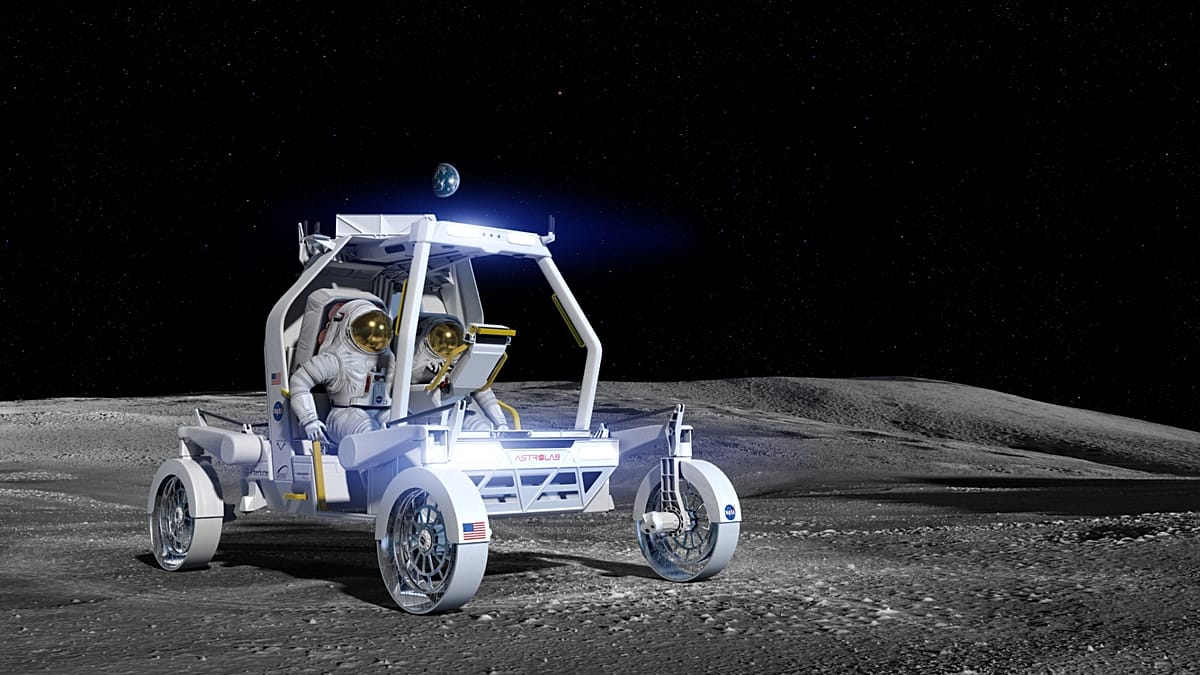
NASA, rekor kıran Artemis II misyonunun üzerinden iki ay geçmeden, Ay’da uzun vadeli insan varlığı oluşturma planının yeni detaylarını açıkladı. Ajans, “Ay Üssü” adı verilen projenin ilk aşaması için iniş araçları, keşif araçları ve insansız hava araçları sipariş etmeye başladığını belirtti. Bu program, astronotların Ay yüzeyinde uzun süre yaşayıp çalışabilmelerini desteklemeyi amaçlıyor. Yani işin özü, NASA’nın bu üç Ay üssü misyonuyla birlikte daha fazlasını planladığı… Hedef, Ay’da kalıcı bir insan varlığı oluşturmak ve Mars’a yapılacak potansiyel gelecekteki görevler için gerekli teknolojiyi test etmek. NASA’nın Deputy Associate Administrator’ı Lori Glaze, Ay üssünün destek sağlayacağını vurguladı.

İlk misyonlar, Ay’a en büyük ticari yükü ulaştıracak PRISM girişimine odaklanacak. NASA şu anda Artemis III’ü 2027’nin ortaları için hedefliyor. Bu misyon, NASA’nın Orion uzay aracı ile Blue Origin ve SpaceX tarafından geliştirilen Ay iniş araçları arasındaki bağlantı sistemlerini test edecek. Artemis III’ün ardından, NASA her yıl Ay’a bir misyon göndermeyi planlıyor. Artemis IV ise 2028’in başlarında, astronotların Orion’dan ticari bir Ay iniş aracına geçiş yapacağı bir misyon olacak. “Sabırla bekleyenler için, büyük geri dönüş çok yakın ve hızımızı kesmeyeceğiz,” diyor Isaacman. “Gerçekten sadece başladık.”

Başlangıçta, astronotların kısa görevler için kalması bekleniyor. Bu görevlerde roverları, yaşam alanlarını ve yüzey operasyonlarını test edecekler. Sonraki aşamalar, astronotların Ay yüzeyini keşfederken yaşayabileceği ve seyahat edebileceği basınçlı araçları içerebilir. NASA Ay Üssü Program Yürütücüsü Carlos Garcia-Galan, astronotların “basınçlı rover’a atlayıp Ay’ı keşfedip çalışabileceklerini” söyledi. Yani demek istediğim, işin aslı şu; NASA, Ay’da uzun vadeli kalıcı bir varlık oluşturma planında çok kararlı görünüyor. Peki, bu planlar gerçekleşirse, Ay’da neler göreceğiz?

Bakalım, ilerleyen günlerde bu projeyle ilgili daha fazla hangi gelişmeler yaşanacak? Gelişmeleri takip ediyoruz…

Kaynak: Orijinal Haber

Ofcom’dan Porn Şirketine 600,000 £ Ceza: Yaş Doğrulama İhlali!

Ofcom, bir pornografi şirketine, web sitelerinde uygun yaş doğrulama önlemleri sunmadığı için 600,000 £ ceza kesti. Medya düzenleyicisi, d?

Ofcom, bir pornografi şirketine, web sitelerinde uygun yaş doğrulama önlemleri sunmadığı için 600,000 £ ceza kesti. Medya düzenleyicisi, dört yetişkin sitesi işleten Youngtek Solutions Ltd’nin, Birleşik Krallık’taki ziyaretçilerin 18 yaşından büyük olduğunu kontrol etmek için herhangi bir yaş kontrol mekanizması bulundurmadığını belirtti. Ofcom, şirketin yaş doğrulama sistemini sonradan getirdiğini ancak, Temmuz ile Eylül 2025 arasında kurallarına uymadığını ifade etti. Şirket, bu yaş kontrollerinin eksikliğinden dolayı 500,000 £ ceza alırken, Ofcom’un bilgi taleplerine başlangıçta yanıt vermediği için de 100,000 £ ek ceza aldı.

Hatırlatmak gerekirse, Temmuz 2025’ten itibaren, Birleşik Krallık’ta pornografi içeren platformların “son derece etkili” yaş kontrol yöntemlerine sahip olması gerekiyor. Bu durum, çocukların yaşa dayalı kısıtlamalara tabi veya zararlı içeriklere erişimini önlemek amacıyla, Birleşik Krallık’ın Çevrimiçi Güvenlik Yasası (OSA) kapsamında zorunlu hale getirildi. OSA’ya göre, düzenleyici kuruluş firmaları 18 milyon £ veya cirolarının %10’u (hangisi daha büyükse) kadar ceza verebilir. En ciddi vakalarda, Birleşik Krallık’taki bir siteyi engellemek için mahkeme talebinde de bulunabilir.

Ofcom’un icra direktörü George Lusty, “Yetişkin siteleri, Birleşik Krallık’taki çocukları çevrimiçi pornografiden korumak için sağlam yaş kontrolleri kullanmalıdır. Bu durumu güvence altına almak için yaptırım gücümüzü tam anlamıyla kullanacağımızı gösterdik” dedi. Ayrıca, kurallara uymayan veya talep ettiğimiz bilgilere zamanında yanıt vermeyen her firmanın bunun bedelini ödeyeceğine dikkat çekti. Yeni yasaların yürürlüğe girmesinden bu yana, Ofcom, birçok yetişkin web sitesine katı yaş kontrolleri olmadığı için önemli cezalar uyguladı. Ofcom, AVS Group ve Kick Online Entertainment SA’nın bazı sitelerinde yaş kontrollerini devreye aldığını da belirtti.

Ocak ayı itibarıyla, Birleşik Krallık’taki en popüler 100 pornografi hizmetinin 77’si yaş kontrollerini uygulamaya koymuş durumda. Ancak bazı ebeveynler hükümetin yeterince güçlü bir şekilde harekete geçip geçmeyeceğini merak ediyor. NCA ve NPCC, çocukların çıplak görüntüler görmelerini veya yabancılarla iletişim kurmalarını engellemeyen sitelere erişimlerinin engellenmesi gerektiğini vurguluyor. Hükümet sözcüsü, başbakanın güvenliği artırma konusundaki “kararlılığını” paylaştığını ve Prof. Clare McGlynn, zararlı içeriğin kısıtlanmasının aynı zamanda rıza anlayışına da yardımcı olabileceğini belirtti. Meta ise Ofcom’un hesaplamalarının “orantısız” olduğunu savunurken, düzenleyici, duruşunu savunacağını ifade etti.

Kaynak: Orijinal Haber

Google Uyarıyor: Hackerlar, AI ile Güvenlik Açıklarını Tespit Ediyor!

Hackers are getting smarter, folks. A recent report from Google reveals that artificial intelligence (AI) has drastically made it easier for these cy

Hackers are getting smarter, folks. A recent report from Google reveals that artificial intelligence (AI) has drastically made it easier for these cybercriminals to discover security flaws in software that conventional scanners just can’t catch. Can you believe that? AI is now the not-so-secret weapon in the hands of hackers, making it a lot easier for them to find those pesky gaps in our systems that developers might not even know exist yet!

This isn’t just theoretical; an example highlighted was an attack on a widely used web-based system administration tool. This flaw allowed attackers to bypass the two-factor authentication—yep, that second layer of security that most of us think keeps our accounts safe. But here’s the kicker: Google managed to spot the attack before it could go into full swing and discreetly alerted the software vendor about it. How close did we come to a major breach?

And it doesn’t stop there. North Korea’s cyber units are reportedly getting crafty too, showing a keen interest in leveraging AI for vulnerability discovery. The report notes that frontier Large Language Models (LLMs) are particularly good at sniffing out high-level flaws and hardcoded anomalies. These tools are getting so advanced that they can perform contextual reasoning, spotting contradictions in their hardcoded exceptions. They’re even capable of sending thousands of repetitive queries that recursively analyze various Common Vulnerabilities and Exposures (CVEs) and validate Proof of Concept (PoC) exploits. Sounds like something out of a sci-fi movie, right?

Meanwhile, groups linked to Russia are using AI to develop malware that can rewrite itself on the fly to avoid detection, a task that used to require significant human expertise. Imagine that! AI is even shaking up phishing tactics. Instead of just blasting out generic emails to everyone, attackers are now using AI to research corporate hierarchies, pinpointing specific targets with access to sensitive data. The report describes these attacks as going well beyond traditional phishing methods. It’s like they’ve upgraded their game to a whole new level!

And here’s something for us to hold onto—Google’s own AI tools flagged a zero-day vulnerability before it could wreak havoc, which is definitely a silver lining in this stormy cloud. The tech giant is deploying its AI agents to find and patch vulnerabilities faster than human teams could even dream of managing.

What does all this mean for us? Google warns that we’re shifting from AI being merely a research tool to it actively participating in the security battlefield. The stakes are higher than ever, and it makes you wonder—how safe are we really? With hackers employing AI to outsmart our defenses, what’s next in this digital arms race?

Kaynak: Orijinal Haber

UK Bans Instagram Betting Ads Featuring Kane and Haaland for Irresponsibility

Two adverts featuring football stars Harry Kane and Erling Haaland on Instagram have been banned by the UK’s advertising watchdog for being deemed “i

Two adverts featuring football stars Harry Kane and Erling Haaland on Instagram have been banned by the UK’s advertising watchdog for being deemed “irresponsible”. The Advertising Standards Authority (ASA) has stated that these ads, promoting an online betting site, breached their guidelines because Kane and Haaland have a “strong appeal to under-18s”.

The ads in question were posted by Oddschecker, which argued that the content was “primarily editorial in nature, rather than ads,” claiming they had set the account to be accessible only to those aged 18 and over. However, the ASA pointed out that a significant number of children often do not use their real date of birth when signing up for platforms like Instagram. This investigation, initiated after a complaint from a Bristol University researcher, looked into the adverts from November last year.

One of the banned ads displayed a picture of Kane with the caption: “Harry Kane is the most backed player to win the Ballon d’Or in 2026 (32% of bets),” accompanied by a trophy emoji. The other ad featured Haaland, stating: “In the last 24 hours, Norway to win the 2026 World Cup is the most-backed bet placed through Oddschecker.”

Cyan Blue Odds Ltd, the company behind Oddschecker, acknowledged that featuring prominent footballers could indeed attract children. They maintained that the posts were not advertisements but rather general “editorial” content, which is why there were no disclaimers regarding age restrictions or responsible gambling messages. The ASA, however, rejected this defense, emphasizing that both Kane and Haaland have a high risk of appealing to younger audiences. They concluded that the ads were irresponsible and violated the advertising code.

Interestingly, the ASA did find another Instagram advertisement featuring former Arsenal player Thierry Henry compliant with their rules. They noted that Henry is unlikely to appeal strongly to those under 18, thus it did not breach the advertising code.

As the conversation around social media and advertising continues, some parents are left wondering how effectively the government will act to regulate such issues. Rhun ap Iorwerth pointed out that schools will have the authority to make their own rules, with a ban on Instagram betting ads expected in England. Meanwhile, a group of teenagers have expressed their reliance on social media for survival, while one school head described the situation as “a disaster”.

The landscape of social media has shifted dramatically from a space for friends to connect to an environment designed to maximize user engagement and, consequently, advertising revenue.

Kaynak: Orijinal Haber