NASA’s Lifesaving Robot Launches to Save Swift Observatory from Earth Crash!

A rescue spacecraft has blasted into orbit on a mission to save a NASA telescope from crashing back to Earth. The three-armed robot, named Link, lau

A rescue spacecraft has blasted into orbit on a mission to save a NASA telescope from crashing back to Earth. The three-armed robot, named Link, launched from the Marshall Islands on Friday and is set to take about a month to reach its target: the Neil Gehrels Swift Observatory. This telescope has been circling our planet since 2004, but it’s now facing a serious situation; it’s been losing altitude faster than anyone anticipated. Recent solar activity has really cranked up the heat, causing Earth’s most explosive events, like gamma-ray bursts and those mind-blowing exploding stars, to stretch and expand.

Now, Link made it to orbit after a Northrop Grumman Pegasus XL rocket—on its very last flight—dropped from a modified aircraft and ignited high above the Pacific Ocean. If everything goes according to plan, Swift could be back in action by September. But right now? Observations are on hold to slow its descent. The Swift telescope is currently circling at 360 kilometers above Earth, but it needs to be lifted up by 240 kilometers to reach a safe orbit. And here’s a twist: Link’s buddy, the Hubble Space Telescope, might face a similar fate in the coming years, also losing altitude as the sun heats up.

“This is a high-risk, high-reward mission,” said Ghonhee Lee, the chief executive of Katalyst. “The biggest danger was always we don’t know how the telescope will react…” Can you believe that? They’re taking some serious chances to save this piece of scientific marvel. The stakes are high, folks!

So, for now, everyone’s holding their breath, waiting to see if Link can pull off this daring rescue. Just imagine the scientists back at NASA; they must be glued to their screens, praying for success. Will they manage to save Swift, or will it join the ranks of lost satellites? We’re all eyes and ears on this one. The countdown has begun, and the clock is ticking…

Kaynak: Orijinal Haber

NASA’s X-59 Surpasses Sound Barrier in Historic Flight

NASA’s experimental X-59 aircraft has soared beyond the speed of sound for the very first time, and let me tell you, this is a game-changer in the

NASA’s experimental X-59 aircraft has soared beyond the speed of sound for the very first time, and let me tell you, this is a game-changer in the realm of quiet supersonic flight technology! Our trusty NASA test pilot, Jim, couldn’t hold back his excitement, saying, “I’m grateful to the NASA team and Lockheed Martin Skunk Works for their help getting us to this point.” It’s a big leap forward, folks, and it sounds like the beginning of a bright future for NASA’s X-plane portfolio.

Now, what’s the deal with this X-59? This beauty is crafted to zip through the skies at supersonic speeds but with a twist—a quiet thump instead of that ear-shattering sonic boom we all dread. To keep a close watch on this historic flight, a NASA F-15 chase aircraft flew nearby. The F-15, known for its powerful sonic booms, effectively masked any noise from the X-59, ensuring that this test could go off without a hitch.

And guess what? In just a few days, the X-59 is gearing up for its first mission conditions flight, aiming to reach a cruising speed of Mach 1.4, which is around 1,489 kilometers per hour, at an altitude of approximately 16,764 meters. Yahu, that’s pretty high up there! This flight’s really going to set the standard, as it will pave the way for future tests over several communities in the U.S.

But hold on, there’s more! NASA’s plan is to gather data on how people react to the quiet thump that the X-59 makes. After this data collection, NASA will share its findings with both U.S. and international regulators to help establish new noise standards. This is crucial, considering how disruptive sonic booms can be to communities below.

So, what’s on the horizon for our friends at NASA? Well, they’re not stopping here. As pilot Jim said, this is just the beginning, and I can’t help but wonder what other incredible advancements are coming down the pipeline. Are we ready for a future where quiet supersonic travel becomes the norm? Only time will tell!

Kaynak: Orijinal Haber

NASA’nın Ay’da Kalıcı Üs Kurma Planı: Detaylar Açıklandı!

NASA, rekor kıran Artemis II misyonunun üzerinden iki ay geçmeden, Ay’da uzun vadeli insan varlığı oluşturma planının yeni detaylarını a?

NASA, rekor kıran Artemis II misyonunun üzerinden iki ay geçmeden, Ay’da uzun vadeli insan varlığı oluşturma planının yeni detaylarını açıkladı. Ajans, “Ay Üssü” adı verilen projenin ilk aşaması için iniş araçları, keşif araçları ve insansız hava araçları sipariş etmeye başladığını belirtti. Bu program, astronotların Ay yüzeyinde uzun süre yaşayıp çalışabilmelerini desteklemeyi amaçlıyor. Yani işin özü, NASA’nın bu üç Ay üssü misyonuyla birlikte daha fazlasını planladığı… Hedef, Ay’da kalıcı bir insan varlığı oluşturmak ve Mars’a yapılacak potansiyel gelecekteki görevler için gerekli teknolojiyi test etmek. NASA’nın Deputy Associate Administrator’ı Lori Glaze, Ay üssünün destek sağlayacağını vurguladı.

İlk misyonlar, Ay’a en büyük ticari yükü ulaştıracak PRISM girişimine odaklanacak. NASA şu anda Artemis III’ü 2027’nin ortaları için hedefliyor. Bu misyon, NASA’nın Orion uzay aracı ile Blue Origin ve SpaceX tarafından geliştirilen Ay iniş araçları arasındaki bağlantı sistemlerini test edecek. Artemis III’ün ardından, NASA her yıl Ay’a bir misyon göndermeyi planlıyor. Artemis IV ise 2028’in başlarında, astronotların Orion’dan ticari bir Ay iniş aracına geçiş yapacağı bir misyon olacak. “Sabırla bekleyenler için, büyük geri dönüş çok yakın ve hızımızı kesmeyeceğiz,” diyor Isaacman. “Gerçekten sadece başladık.”

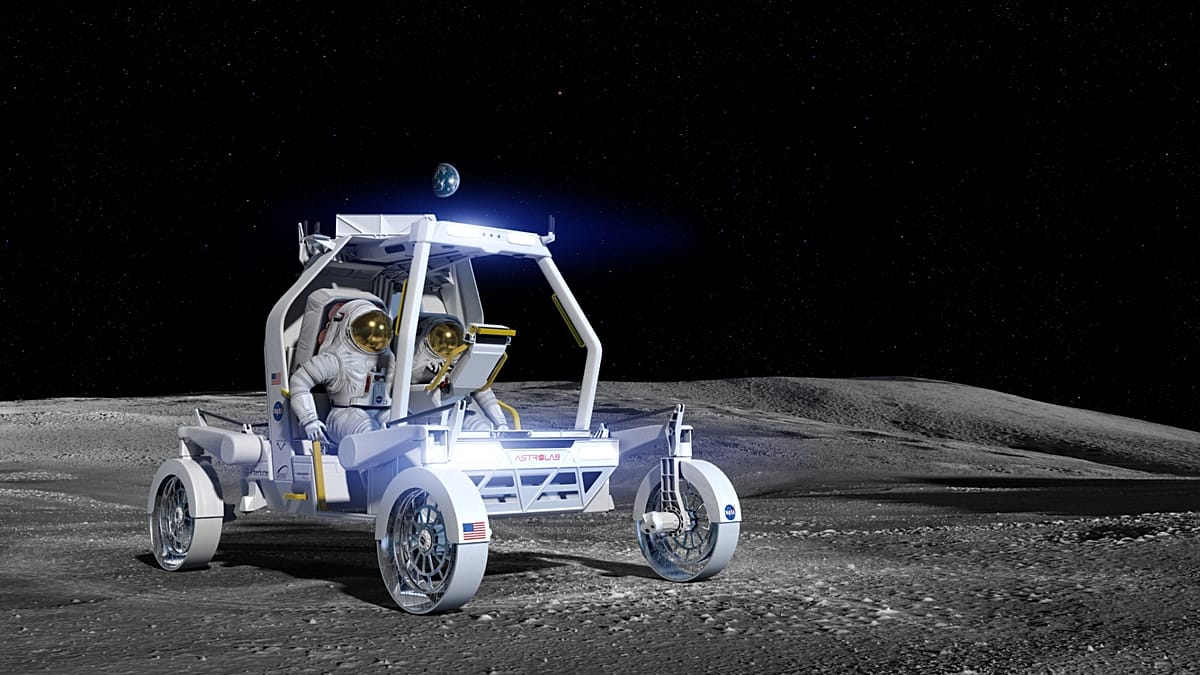
Başlangıçta, astronotların kısa görevler için kalması bekleniyor. Bu görevlerde roverları, yaşam alanlarını ve yüzey operasyonlarını test edecekler. Sonraki aşamalar, astronotların Ay yüzeyini keşfederken yaşayabileceği ve seyahat edebileceği basınçlı araçları içerebilir. NASA Ay Üssü Program Yürütücüsü Carlos Garcia-Galan, astronotların “basınçlı rover’a atlayıp Ay’ı keşfedip çalışabileceklerini” söyledi. Yani demek istediğim, işin aslı şu; NASA, Ay’da uzun vadeli kalıcı bir varlık oluşturma planında çok kararlı görünüyor. Peki, bu planlar gerçekleşirse, Ay’da neler göreceğiz?

Bakalım, ilerleyen günlerde bu projeyle ilgili daha fazla hangi gelişmeler yaşanacak? Gelişmeleri takip ediyoruz…

Kaynak: Orijinal Haber