
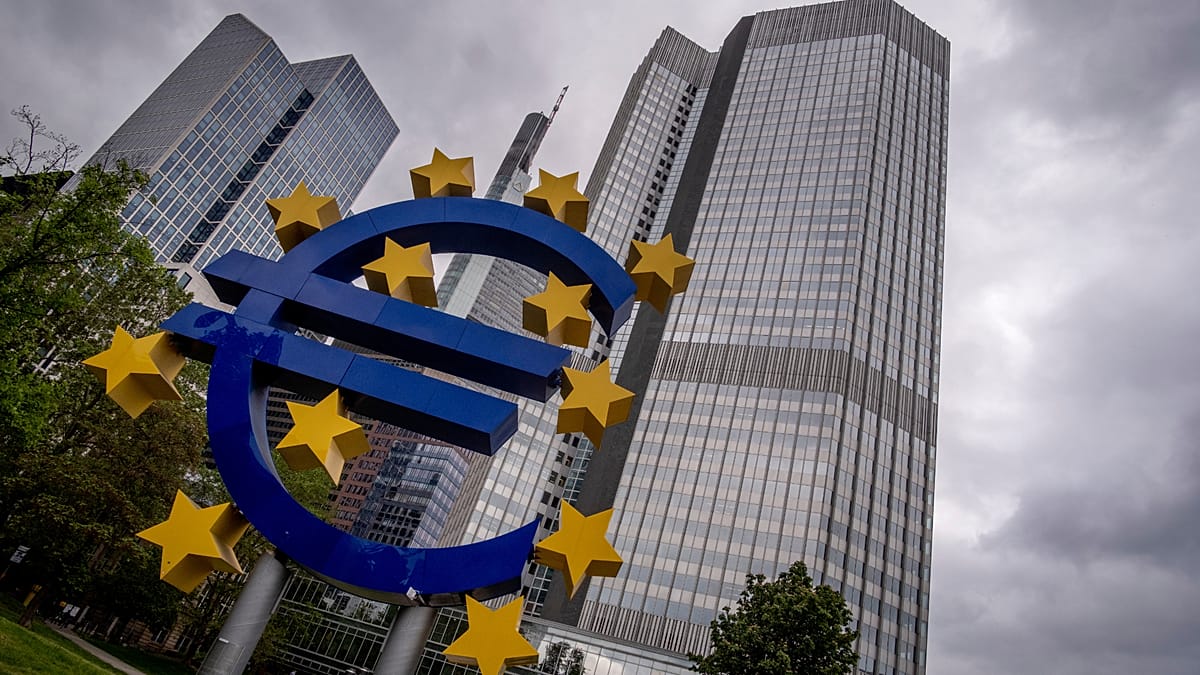
The European Central Bank (ECB) has officially stepped up its digital euro initiative by naming 36 payment service providers that will play a crucial role in testing this future currency. This large-scale pilot program is set to kick off in the second half of 2027, and it’s a significant leap toward making the digital euro a reality. According to the ECB, these participants were chosen from a pool of over 50 applicants from across the euro area, showcasing a strong interest in this innovative project.
These selected providers will collaborate closely with the ECB and 19 euro area technical infrastructures. The goal? To evaluate person-to-person and person-to-business payments in both online and offline settings. This testing phase is vital, as no final decision will be made about issuing the digital euro without first gathering insights from these trials. With major players like Deutsche Bank, UniCredit, Revolut, Adyen, and Stripe in the mix, it’s clear this pilot is not just a small affair; it’s a serious undertaking by some of the biggest names in finance.
ECB Executive Board member Piero Cipollone emphasized that the enthusiasm shown by the payments industry indicates their readiness to actively contribute to shaping the project’s next steps. “The level of interest demonstrates that the payments industry is eager to engage and swiftly move forward with the digital euro project,” he said. This eagerness is particularly crucial as the ECB continues discussions with the European Parliament, the Council, and the European Commission to establish the legal framework necessary for the digital euro.
However, it’s important to note that the ECB has firmly stated it cannot issue the currency until EU lawmakers adopt the relevant legislation. Current plans suggest that formal approval might come in 2027, followed by the completion of the pilot and a potential public launch in 2029. But, of course, these timelines depend heavily on how the legislative process unfolds.
As for the digital euro itself, it’s designed to be available at no cost to consumers through regulated payment providers. The ECB is keen to address concerns about the potential disappearance of cash and the risk to privacy. Under the current plan, the digital euro won’t accrue interest, and there will likely be caps on holdings to prevent significant withdrawals from traditional bank deposits.
Speaking exclusively to Euronews last week, ECB President Christine Lagarde mentioned that both cash and the digital euro will hold legal tender status. This means, across Europe, someone can’t simply refuse to accept your banknotes. Additionally, she highlighted that the digital euro aims to bolster Europe’s strategic autonomy in payments, reducing dependence on foreign-owned payment networks.
So, what does this all mean for the average consumer? Is the digital euro going to change the way we handle money, or will it just coexist with cash? With these developments, it seems like a fascinating time ahead for the European financial landscape. Bakalım, bu süreçte neler olacak ve dijital euro gerçekten günlük hayatımıza nasıl etki edecek?
Kaynak: Orijinal Haber