
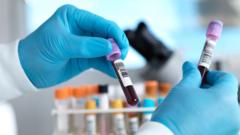
England is on track to become one of the first countries in the world to eliminate hepatitis C, a dangerous virus that attacks the liver. Recent figures reveal that the target of treating 80% of all known cases has already been met, and deaths from the virus have plummeted by 36% over the last decade. We’re so close to hitting the goals set for 2030! Just take a moment to appreciate that taking antiviral tablets for just 8 to 12 weeks can cure more than 95% of cases. How amazing is that? Initiatives like A&E blood tests, GP registration testing, and free at-home tests have been instrumental in uncovering people who were previously undiagnosed, according to NHS England.
Now, how does hepatitis C spread? It’s mainly through contact with blood infected with the virus, like sharing needles. That’s why donor blood is already screened for it. The problem is, it’s a silent disease—people often have no symptoms until much later. If left untreated, it can cause serious and potentially life-threatening liver damage. Since 2015, NHS England has reported that over 100,000 individuals have been diagnosed and treated for hepatitis C, which puts the country well on its way to meeting its targets.
However, there’s still work to be done. Another goal—a 65% reduction in hepatitis C-related mortality compared to 2015 levels—has yet to be reached, but there’s optimism that it could happen before the 2030 deadline. As of 2024, around 50,200 adults are still living with hepatitis C in England. Estimates suggest that 84.6% of those individuals have been diagnosed, which is just shy of the 90% target set. The Hepatitis C Trust believes that England is “on the cusp of history.” Prof. Frankie Swords, NHS national medical director, emphasized the commitment to maintain momentum and finish the job.
Now here’s something particularly important: adults born in Ukraine, Romania, Estonia, Latvia, Poland, Albania, Lithuania, Bulgaria, Czechia, or Slovakia are specifically urged to get tested. Some of them might have been infected through medical or dental procedures before 1991. And guess what? You can order a free, confidential NHS home self-testing kit without even needing to consult a GP.
Take Paul Eatwell, 65, for instance. He is one of the more than 100,000 people in England who have already been treated for hepatitis C. Paul was diagnosed after a routine blood test, and he recalls his reaction: “Are you sure? Surely there’s been some mistake.” He didn’t even think it was possible. The medical support he received made a significant difference in his life. Although the exact way he caught the virus remains unknown, there’s speculation that surgery in South Africa decades ago might be the culprit. Back from 1970 to 1991, over 30,000 people in the UK were infected with HIV and hepatitis C due to contaminated blood products and transfusions. This infected blood scandal is considered the biggest treatment disaster in the NHS’s history. Tragically, about 3,000 have died since then, and more deaths are expected as the fallout continues. Public inquiries have revealed that authorities covered up the scandal, exposing countless victims to unacceptable risks.
Bakalım, bu gelişmelerin ardından neler olacak? Hepatitis C ile mücadeledeki bu çabalar, İngiltere’nin tarihine altın harflerle yazılacak gibi görünüyor…
Kaynak: Orijinal Haber