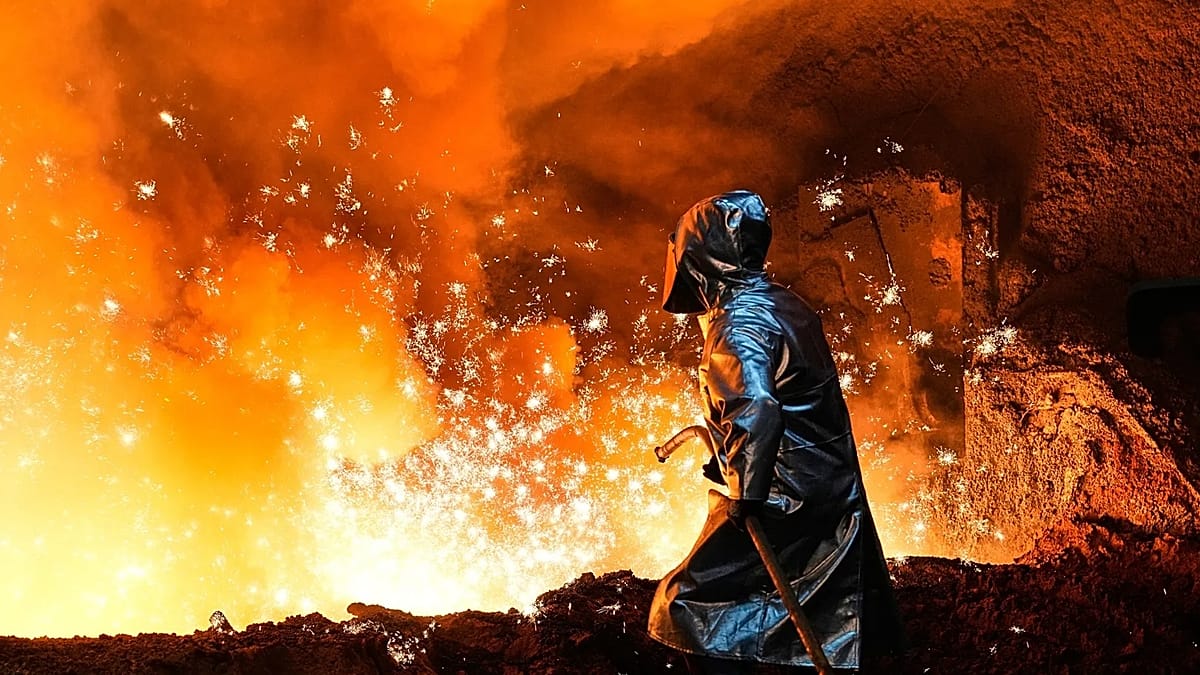
Global steelmaking capacity is on the rise, even as demand continues to falter, leading to concerns that prices could plummet and disrupt fair competition. Steel, a fundamental material in various industries like construction, manufacturing, and even the booming electric vehicle sector, is at the center of this crisis. The OECD has pointed out that government subsidies play a significant role in fueling this global overcapacity. Most of the growth in steelmaking capacity over the past twenty years has occurred outside of OECD countries, frequently backed by state support.
In a striking revelation, the OECD reported that in 2024, the typical Chinese steel firm received subsidies that were 15 times greater than what producers in other countries received, relative to their total assets. This is a staggering figure that underscores the disparity in support among steelmakers globally. At the same time, Chinese steelmakers exported a record-breaking 131 million tonnes of steel in 2025, marking a 153% increase compared to 2020. This volume far exceeds what the European Union can manage, raising eyebrows and concerns among European producers.
The OECD emphasizes the urgent need to address the root causes of this issue, particularly harmful subsidies and other non-market practices. It’s clear that stronger international cooperation is essential to create a fair playing field for steel producers everywhere. European steelmakers, for instance, face higher labor and energy costs and stricter environmental regulations than many of their international counterparts. This leaves them in a precarious position, often unable to withstand prolonged periods of low prices, unlike rivals who benefit from lower operational costs and more substantial government backing.
So, what’s the outlook moving forward? As steel prices teeter on the edge, the question remains: how will the global market adapt to these alarming trends? It’s a situation that bears watching closely as the intricacies of international trade and government support continue to shape the landscape of the steel industry.
Kaynak: Orijinal Haber