
Japan’s 10-year bond yield has surged to a striking 3%, marking the first time it has reached this level since 1996. This jump comes at a time when interest rate hikes are dominating discussions among G20 nations. With the world’s rate currently standing at 1%—a figure last seen 31 years ago—Japan has been navigating a slow but deliberate sequence of hikes. Just last December, the rate was adjusted from 0.5% to 0.75%, and then it climbed to 1% in June. As anticipation builds, markets are now pricing in an 80% to 90% chance of another hike to 1.25% during the upcoming meetings on September 17 and 18. If it happens, this would represent a significant 0.75% increase.
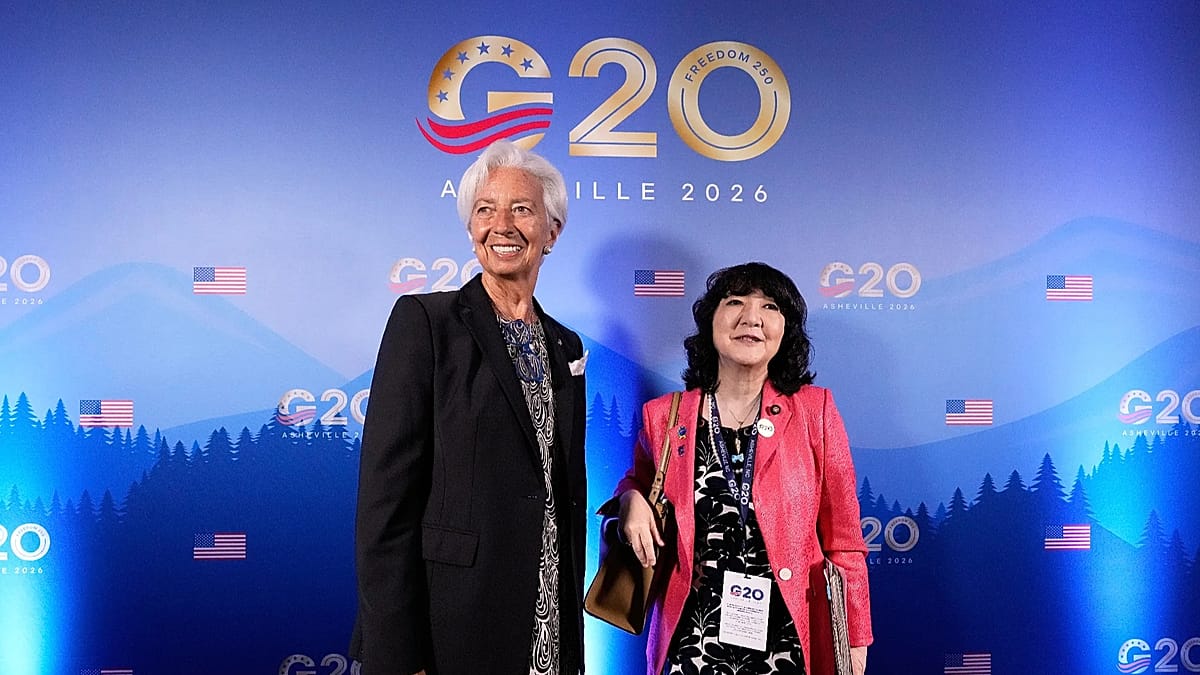
Now, let’s not forget the backdrop of this financial drama. The U.S. Treasury Secretary, Scott Bessent, was busy on the first day of the G20 meeting held in Asheville, North Carolina, nudging Japan towards a tighter monetary policy. His words were clear: “I have information that the market doesn’t have,” he stated, leaving many wondering just what kind of intel he was referring to. When pressed by reporters on whether he was hinting at higher interest rates, he confidently replied, “I think the market is pricing that in now.” He emphasized that the next move should indeed be a rate hike and urged Tokyo to signal that it is putting public finances on a sustainable footing.
However, not everyone is on the same page. Katayama, Japan’s finance minister, offered a more restrained account of the G20 discussions. He told reporters that monetary policy wasn’t even brought up during the meeting. When asked about the current yen levels, he declined to comment, further complicating the narrative. His earlier remarks had described the joint intervention statement as “a very strong one,” but it seems the focus is shifting back to the economy rather than adhering to Washington’s dictates.
As for the Japanese yen, it traded around 160 per dollar on Tuesday, a level that markets are treating as a threshold for renewed intervention. Interestingly, this marks a 3% increase after the yen had weakened to its lowest point since a rare joint operation between the U.S. and Japan back in late July. Bessent characterized recent market moves as not disorderly, steering the conversation away from potential interventions and towards rate hikes as the preferred remedy.
So, what does this mean for the average citizen? Well, with the yen’s fluctuations and the looming possibility of further rate hikes, everyday folks might feel the pinch in their wallets. Interest rates could soon affect everything from loans to mortgages. One can only wonder how this will play out in the coming weeks. Will Japan take the plunge and raise rates further? Only time will tell…
Kaynak: Orijinal Haber