
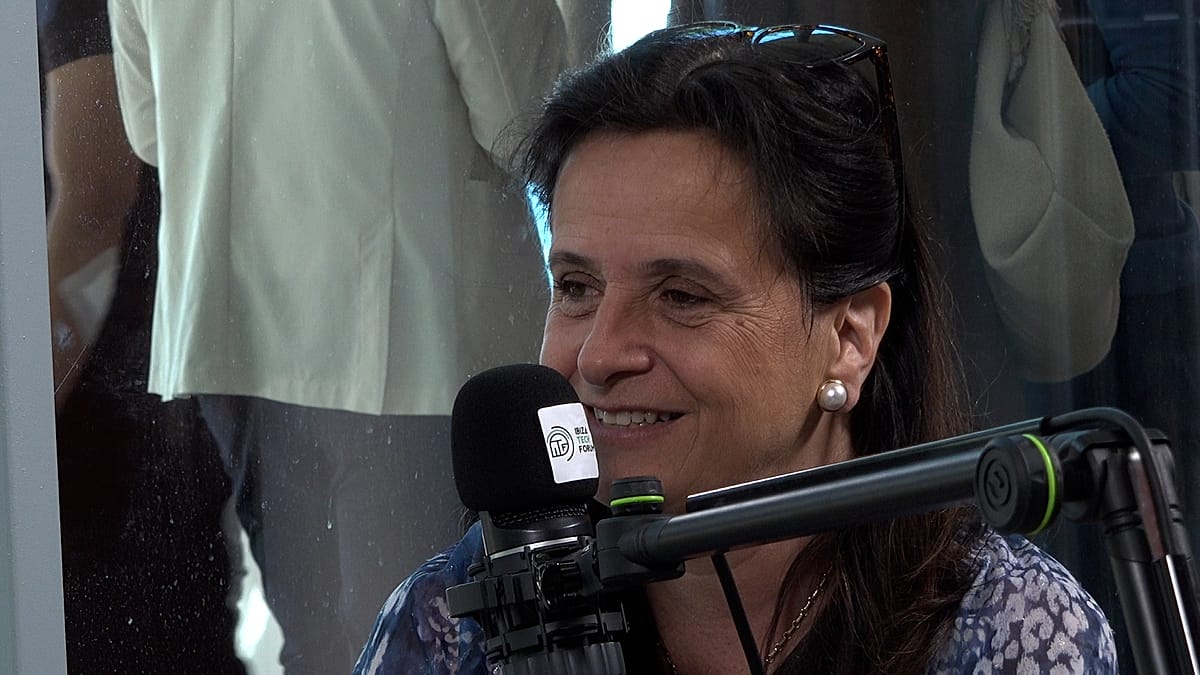
The startup ecosystem is facing a crucial reality check at the Ibiza Tech Forum 2026. Pilar Carrato, the Chief Financial Officer of the Centre for the Development of Technology and Innovation (CDTI), highlighted the pressing issues that startups in Spain encounter when seeking funding and scaling their businesses. At the forum, she emphasized that beyond the big ideas and technological disruptions, the real viability of any early-stage project hinges on its financial architecture and scalability potential.
Carrato, who has a wealth of experience in this area, pointed out that many startups make the fundamental mistake of lacking a strategic focus when it comes to capital acquisition. “They need to know what stage they are at and who they should be approaching, otherwise they are going to waste a lot of time,” she warned. This is crucial because private investors are not just hunting for a profitable business; they want models that can demonstrate a clear path toward scalability and profitability, often represented by that elusive J-shaped curve. This curve typically shows an initial dip in cash flow, accompanied by increased investments, followed by a surge in revenues without a parallel rise in operating costs.
When it comes to attracting backers, Carrato stressed three non-negotiable ingredients that can enhance a startup’s attractiveness: a multidisciplinary ecosystem, a clearly defined operational structure, and a commitment to solving real market needs. “Turning a local idea into a global one means moving beyond self-employment,” she explained, underscoring the need for distinct roles in technology, strategy, sales, and finance.
“Yahu, there are some brilliant ideas out there, but if they don’t address a real market need, the startup will fall by the wayside,” she added. This is an important point, especially in an era dominated by artificial intelligence. Founders must stay informed about similar solutions being developed globally; ignorance can undermine any pitch.
Carrato’s analysis revealed a significant bottleneck in the Spanish startup landscape: a logjam in exits. Many investors step into the scene but then find themselves trapped with no viable exit strategy. She attributes this issue to a cultural problem within Spanish companies. “Over the past two decades, barely ten startups have been acquired by major domestic corporations,” she noted. Unlike other markets, neither large corporate players nor Spanish pension funds are buying local technology, which ultimately “dries up” private investors who can’t recycle their capital back into the system.
To tackle this market failure, Carrato argues for the need to streamline regulations, provide tax incentives, and ease access to secondary markets. From her perspective as CFO, instilling discipline from day one is absolutely critical for a startup’s success. If milestones are poorly planned, founders may find themselves jumping from one funding round to the next, losing focus on their product.
Moreover, she warns that if a company’s initial corporate structure is poorly designed, it can obliterate the value of a great idea. “I know companies with good CFOs that have tripled their sales, and equally good products that disappear because they were financed the wrong way and their founders signed up for things they shouldn’t have,” Carrato said.
Given that Spain lacks the robust private financial muscle seen in other countries, Carrato advocates for blending resources. This is where the CDTI steps in to mitigate risk. “We provide a leverage effect. If you need 2 million euros and the private investor is only willing to put up one, the public sector can cover the rest,” she explained.
Her final words of wisdom for founders looking for funding this year are straightforward: they should carefully explore all options, ranging from CDTI grants to Enisa’s participatory loans and long-term support through instruments like ICO or Cofides. But she also issued a crucial caveat: “You need to be absolutely sure who you are marrying. Bringing a fund on board is a long-term marriage; it is vital to look closely at the terms you are signing to avoid parting ways in a traumatic divorce.”
Kaynak: Orijinal Haber