
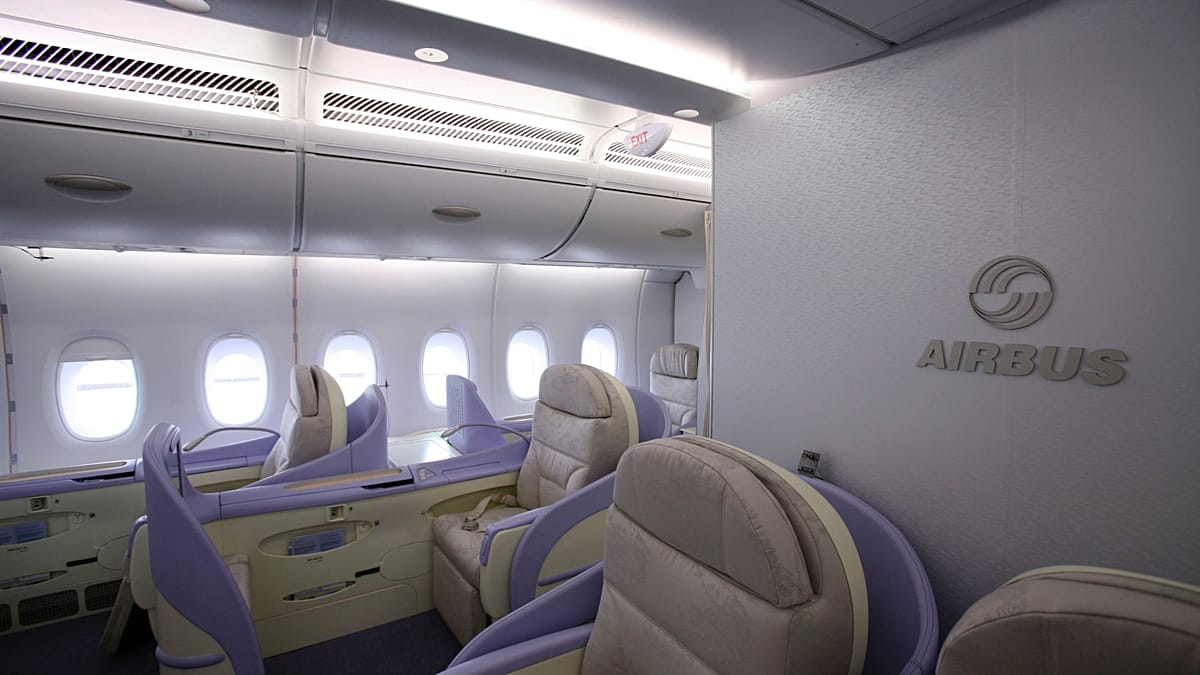
Airbus A380 Uçakları Hava Güvenliği İçin Acil Kontrole Alındı!

The European Union Aviation Safety Agency (EASA) has just ordered emergency inspections on 16 Airbus A380 aircraft after cracks were found in a cruci

The European Union Aviation Safety Agency (EASA) has just ordered emergency inspections on 16 Airbus A380 aircraft after cracks were found in a crucial structural component inside the wings of one of these massive planes. Can you believe it? These superjumbos, known for carrying passengers across the world’s busiest long-haul routes, are under the microscope once again. Five Emirates aircraft, to be specific, have been flagged for inspection before they take to the skies again.

The spotlight is on the wing mid-spar—this is a key structural element that plays a vital role in managing the stresses that occur during flight. Now, the good news is that EASA hasn’t grounded the entire fleet of A380s, and as of now, there’s no immediate safety risk identified for all aircraft. However, it’s worth noting that emergency directives from EASA are quite unusual and typically reserved for issues that could jeopardize the airworthiness of an aircraft if not addressed promptly.

You know, the A380 had its production halted back in 2021, yet it still remains a favorite among airlines and passengers alike. But Airbus is facing its own issues; they’re struggling to ramp up production due to ongoing supply chain challenges. There’s a notable shortage of engines from Pratt & Whitney that has left completed aircraft just sitting at Airbus facilities in Toulouse and Hamburg, waiting for those engines before they can finally be delivered to eager airlines.

On top of all that, EASA is also tightening maintenance requirements for certain A330 aircraft and overseeing updates to the A320 family following concerns about flight control computers that cropped up after an incident linked to intense solar radiation. Talk about a busy time for Airbus!

Airbus CEO Guillaume Faury has voiced his frustrations earlier this month, pointing out that stringent regulations, soaring energy prices, and rising administrative costs are slowly chipping away at Europe’s competitiveness in the aviation sector. It’s a tough time for the aviation industry, and it seems like the road ahead is filled with more hurdles.

So, what’s next for Airbus and the A380? Will these inspections lead to long-term changes in how these giant planes are maintained? We’ll just have to wait and see…

Kaynak: Orijinal Haber
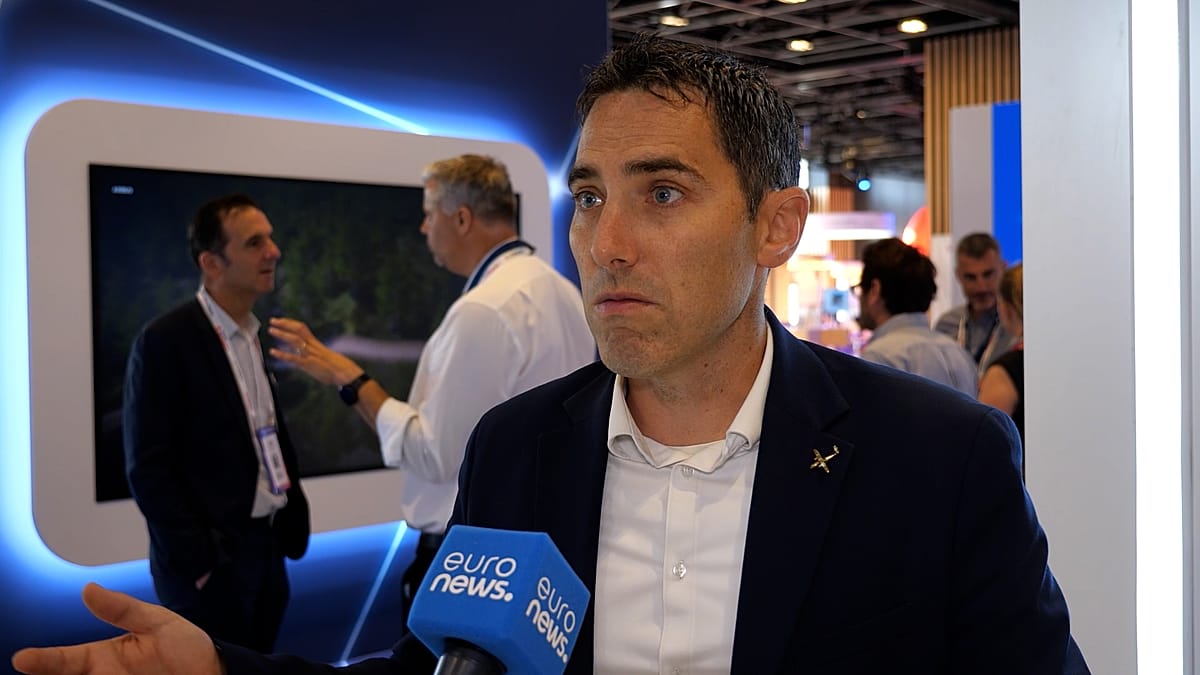
Airbus’s Quantum Leap: Transforming Air Travel with AI and Quantum Sensing

As demand for air travel expands, French aircraft manufacturer Airbus is testing cutting-edge technologies that could revolutionize the way aircraft

As demand for air travel expands, French aircraft manufacturer Airbus is testing cutting-edge technologies that could revolutionize the way aircraft navigate through increasingly crowded skies and bustling airports. The company’s forecasts suggest that the number of aircraft in the air could double in the next two decades, while airport infrastructure won’t keep up with this growth. What does this mean? It means planes will have to deal with tighter and more complex environments, from busy taxiways to unpredictable weather patterns driven by climate change. “We need to find different ways to think and use the technology we have to overcome those complexities,” said Jonathan Rigaud, who leads Airbus’ Optimate demonstrator project, during an interview with Euronews Next at VivaTech in Paris.

So, what’s the Optimate project all about? According to Airbus, it’s a test initiative aimed at smart automation technologies, incorporating tools like artificial intelligence, quantum sensing, and data fusion. Rigaud pointed out that the project has three primary objectives: safeguarding an aircraft’s route, optimizing operational efficiency, and assisting pilots during challenging conditions such as heavy rain or fog. Airbus isn’t just resting on its laurels either—they’re also experimenting with radar, LiDAR, cameras, and computer vision to help aircraft identify obstacles or risks in their surroundings. “AI can help us figure out whether something is familiar or something we need to steer clear of,” Rigaud noted.

Taxiing, the phase when aircraft maneuver around the airport before takeoff or after landing, is another focus area for the Optimate project. Rigaud highlighted that airplanes currently spend over 20 minutes on average “rolling and not flying,” which underscores the need for enhancements in ground movement. Airbus is testing innovative solutions to facilitate more efficient communication between aircraft, airlines, and air traffic control, aiming to select optimal taxi routes and avoid unnecessary fuel consumption. Imagine this: helping planes to start their engines later based on real-time traffic data to save both fuel and emissions. “The goal is to be as optimized as possible,” Rigaud emphasized.

In their quest for innovation, Airbus has even utilized a truck-like demonstrator, which they cleverly call an “aircraft on wheels,” to trial new functionalities before determining what could be integrated into current or future aircraft. Over the past two years, they’ve logged more than 400 hours of testing at complex airports like Paris Charles de Gaulle, which boasts an impressive 115 kilometers of taxiways. “Now that we’ve tested it, we’re starting to understand what we need to incorporate into our current and future aircraft,” Rigaud said.

Another intriguing avenue Airbus is pursuing is navigation that doesn’t solely depend on a single system like GPS. Recent geopolitical tensions have highlighted risks such as GPS jamming and spoofing, making backup navigation systems more crucial than ever. Rigaud clarified that GPS isn’t the only means of navigation for aircraft today; they also utilize inertial systems. Airbus is exploring advanced technologies, including quantum sensing, ground-based visual navigation, and sensor fusion. Quantum sensing leverages principles of quantum physics to measure movement or acceleration with outstanding precision, which could allow aircraft to navigate without relying solely on satellite signals. Meanwhile, sensor fusion combines data from multiple sources to provide a clearer picture of the environment. “With the computation we have, we’ve tested different ways to not be tied to one system and to ensure robustness,” he mentioned. Importantly, he reassured that pilots will continue to make critical decisions, with automation stepping in to enhance the information available to them.

Bakalım, bu teknolojiler havacılığı nasıl dönüştürecek? Gelişmeleri takip ediyoruz…

Kaynak: Orijinal Haber

Airbus ve BMW, Savunma ve Güvenlik Sistemlerinde AI İçin Mistral ile Anlaştı!

Airbus, Fransız yapay zeka (AI) girişimi Mistral AI ile imzaladığı ortaklıkla, havacılık, savunma ve uzay alanında yapay zekanın kullanım

Airbus, Fransız yapay zeka (AI) girişimi Mistral AI ile imzaladığı ortaklıkla, havacılık, savunma ve uzay alanında yapay zekanın kullanımını genişletmeyi hedefliyor. Perşembe günü yapılan ortak basın açıklamasına göre, Avrupa’nın dev havacılık şirketi, ticari uçaklarından helikopterlerine, savunma ve uzay operasyonlarına kadar yapay zekayı entegre etmeyi planlıyor. Bu anlaşma kapsamında Airbus, Mistral AI’nin tüm ürün yelpazesine ve araştırmacılarına erişim sağlayacak, böylece karmaşık havacılık projeleri için özel yapay zeka araçları geliştirebilecek. Airbus, bu ortaklığın “güvenilir” ve “güvenli” yapay zeka uygulamalarına odaklanacağını, özellikle hassas savunma ve havacılık uygulamaları için önemli olduğunu belirtti. Airbus Dijital Başkan Yardımcısı Catherine Jestin, “Bu ortaklık, havacılıkta güvenilir ve sorumlu yapay zekanın yüksek etki ve değere sahip kullanım durumlarının dağıtımını sağlıyor” dedi.

Mistral AI, 2023 yılında Paris’te kuruldu ve kendisini ABD merkezli AI sağlayıcılarına karşı Avrupa alternatifi olarak konumlandırdı. Açık ağırlık modellerine ve veri egemenliğine odaklanması, savunma ve havacılık alım kararlarında etkili olabilecek faktörler arasında. Öte yandan, BMW de aynı gün Mistral AI ile ayrı bir ortaklık duyurdu. Bu iş birliği, yapay zekayı çarpışma simülasyonlarını ve araç geliştirmeyi iyileştirmek amacıyla kullanmayı hedefliyor. Alman otomobil üreticisi, bu iş birliğinin karmaşık mühendislik çalışmalarını hızlandıracağını ve güvenlik testlerinin doğruluğunu artıracağını belirtti. BMW, her hafta binlerce sanal çarpışma testi gerçekleştiriyor ve bir petabaytın üzerinde tarihsel simülasyon verisi biriktirdi. Bu verilerin, otomotiv mühendisliği için endüstri spesifik yapay zeka modelleri geliştirmek için kullanılabileceği ifade ediliyor.

Bu anlaşma, Avrupa üreticilerinin endüstriyel tasarım, üretim ve araştırmada yapay zekayı kullanma yönündeki daha geniş çabalarının bir parçası. Adamlar, bu yeni gelişmelerle birlikte, yapay zeka destekli sistemlerin nasıl devrim yaratabileceğini merakla izliyor. Bakalım, bu yeni iş birlikleri neler getirecek?

Kaynak: Orijinal Haber