Amazon’s Leo Internet Service Set to Challenge SpaceX’s Starlink

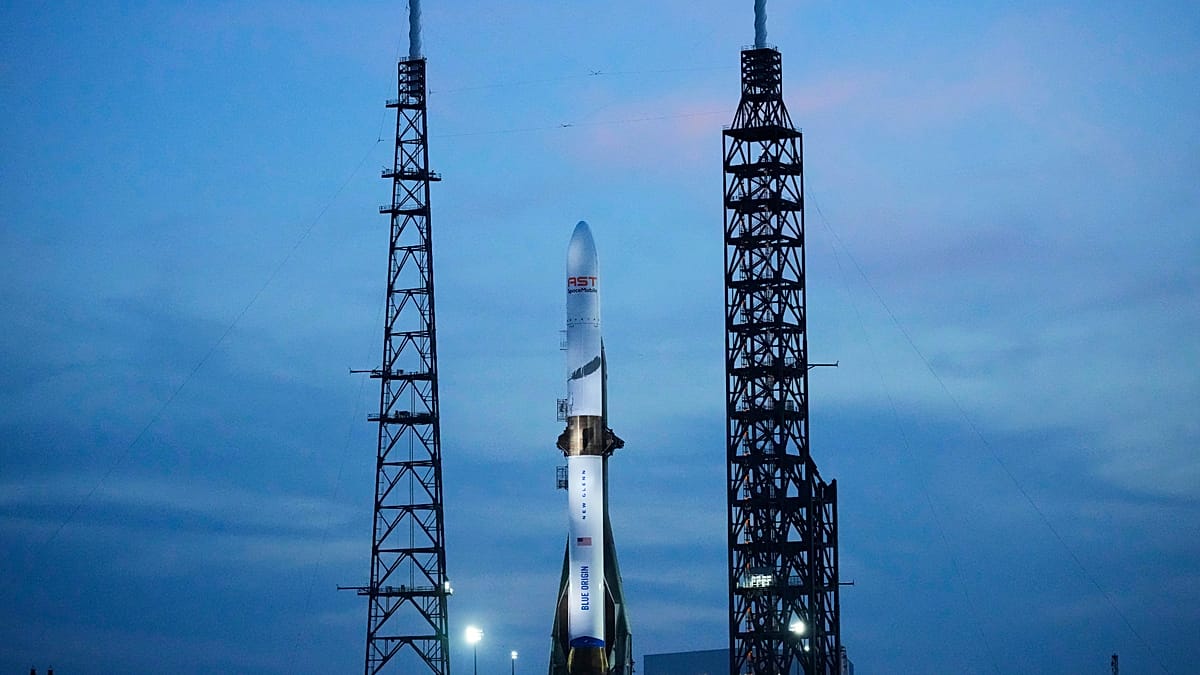
Amazon has announced that it now has enough satellites in orbit to kick off commercial operations for its Leo internet-from-space service later this

Amazon has announced that it now has enough satellites in orbit to kick off commercial operations for its Leo internet-from-space service later this year. This marks a major leap forward in Amazon’s efforts to compete with SpaceX. The company is gearing up for a full commercial launch in the third quarter of this year after giving beta access to enterprise customers back in November.

But what does this really mean for the competition? Well, with Amazon’s Leo, they’re ready to take the fight to SpaceX, which currently operates around 650 satellites. The stakes are high, and the race to provide internet from space is heating up. Amazon is employing the Vulcan heavy-lift rocket for launches, which is designed to carry larger payloads and is expected to quicken the deployment rate of their satellites.

Now, you might be wondering how this will affect you, the everyday user. Well, if all goes according to plan, Leo could provide consistent internet service across initial latitudes. Imagine that! It’s like having a reliable connection no matter where you are.

Now, let’s not forget the challenges that lie ahead for Amazon. They are entering a playground where SpaceX has already established a strong foothold. It’s a tough hill to climb, but given Amazon’s resources and determination, they might just pull it off.

So, will Leo become a serious contender in the space internet race? Or will it struggle to catch up with SpaceX’s established network? Only time will tell. But one thing’s for sure, the battle for satellite internet is just getting started…

Kaynak: Orijinal Haber

SpaceX Soars Past Amazon: A New Era in Tech Valuations

Elon Musk’s SpaceX has officially surpassed Amazon to become the world’s fifth most valuable company, following a staggering surge in its share price

Elon Musk’s SpaceX has officially surpassed Amazon to become the world’s fifth most valuable company, following a staggering surge in its share price. Just days after making a historic debut on New York’s Nasdaq stock exchange—the largest public listing ever—SpaceX’s shares skyrocketed by over 50%. This impressive leap now values Musk’s rocket venture at approximately $2.78 trillion (£2.1 trillion), whereas Jeff Bezos’s vast online retail and media empire is currently valued at around $2.66 trillion.

Now, what fueled this remarkable boom? Well, SpaceX recently announced its acquisition of AI coding start-up Cursor for a staggering $60 billion. The deal involves taking over Cursor’s parent company, Anysphere, which specializes in creating artificial intelligence coding agents. Investors are buzzing with excitement, captivated by SpaceX’s ambitious vision of launching AI data centers into space and even paving the way for human colonization of Mars.

The listing event raised a jaw-dropping $85.7 billion, catapulting Musk into the spotlight as the world’s first trillionaire. If we rewind to last Friday when shares were first sold to the public at $135 each, they’ve since surged to $209. But hang on a second—analysts are scratching their heads, questioning how sustainable this high share price really is, given the looming uncertainties surrounding SpaceX’s future earnings.

Now, let’s talk about brand recognition: while Amazon is a household name that you can’t escape from, SpaceX remains a bit more niche in the everyday lives of the general public. Even though SpaceX’s stock market value has now put it ahead of Amazon, the revenue and profit figures tell a different story. Amazon raked in a whopping $30.3 billion in profit during the first quarter of 2026, while Musk’s forward-thinking SpaceX reported a loss of $4.3 billion. In 2025, Bezos’s empire recorded sales of about $716.9 billion, while SpaceX pulled in $18.67 billion.

Nevertheless, it seems that investors are betting big on what SpaceX could achieve in the future. The company is heavily invested in manufacturing and launching reusable rockets, in addition to its growing Starlink internet satellite service, and now it’s ramping up efforts in the AI space. SpaceX and Cursor have been collaborating since April, with Musk’s firm having the option to either buy Cursor for $60 billion or pay $10 billion for their joint work.

Cursor’s technology, similar to that of OpenAI and Anthropic, employs AI to automate code writing, a major modern application of artificial intelligence. This partnership is particularly crucial as SpaceX aims to compete with rivals by expanding its AI division, xAI, the brain behind the controversial Grok chatbot. When announcing the partnership back in April, SpaceX stated: “The combination of Cursor’s leading product and distribution to expert software engineers with SpaceX’s million H100 equivalent Colossus training supercomputer will allow us to build the world’s most useful models.”

Major companies like Stripe, Adobe, and Nvidia already utilize Cursor, with Nvidia’s CEO, Jensen Huang, labeling it as his “favorite enterprise AI service.” SpaceX confirmed that this deal is scheduled for completion by the end of September, with Cursor’s shareholders set to receive $60 billion in SpaceX shares.

So, what’s next for SpaceX? As we watch the tech world unfold, it’ll be interesting to see how this new valuation affects Musk’s ambitious plans and whether SpaceX can maintain its momentum against industry giants like Amazon.

Kaynak: Orijinal Haber

Inside Amazon’s Futuristic Warehouse: Where Robots and Humans Collaborate

Amazon’s busiest European warehouse is a buzzing hub of activity, where robots, lasers, and humans come together to deliver the future of logistics

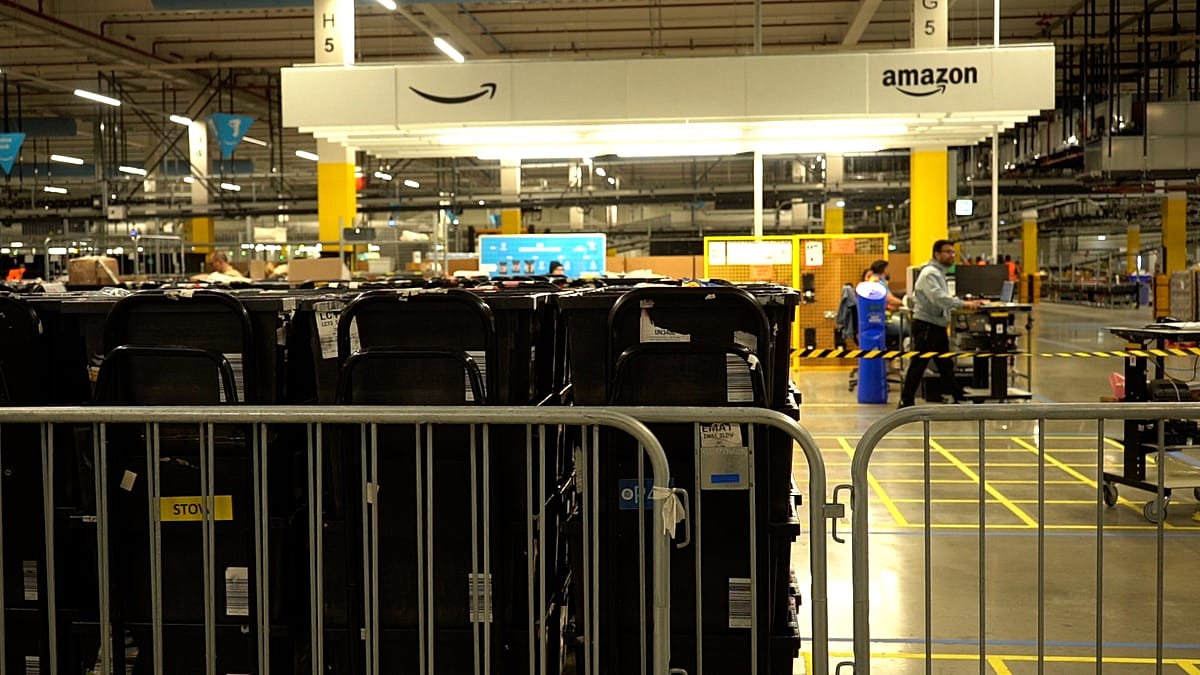
Amazon’s busiest European warehouse is a buzzing hub of activity, where robots, lasers, and humans come together to deliver the future of logistics. This high-tech facility is not just about efficiency; it’s a glimpse into what the future holds for warehousing and distribution. Picture this: a sprawling space filled with the hum of machines, the whirr of robotic arms, and the busy footsteps of workers, all orchestrated to ensure that your packages arrive on time.

Located in the heart of Europe, this warehouse operates around the clock, with thousands of items being processed every hour. Imagine the sheer scale of it! Workers, known as pickers, navigate through aisles filled with products, while robots zip around, delivering goods to the right locations. It’s a symphony of technology and human effort, and the result? An incredibly streamlined process that keeps Amazon at the forefront of e-commerce.

Now, let’s talk numbers. This facility is capable of processing up to 1 million packages a day! Can you believe that? It’s not just about speed; it’s about precision. Lasers guide the robots to ensure they pick the right items, reducing errors and increasing efficiency. Workers are equipped with handheld devices that help them track inventory in real time. The synergy between man and machine is striking, and it’s clear that the future of warehousing is not just about automation, but about collaboration.

And while the robots are doing their thing, the human element remains crucial. Workers are trained to handle more complex tasks and ensure quality control. They’re the ones who step in when a package doesn’t meet Amazon’s high standards. It’s a team effort, and the atmosphere is electric with a sense of purpose.

There’s a buzz among the workers too, as they adapt to the fast-paced environment. “You have to stay on your toes,” one worker commented. “But it’s exciting to see how technology is changing our jobs.” This sentiment is echoed throughout the warehouse, where the excitement of innovation is palpable.

But what does this mean for the future of jobs in logistics? As technology continues to advance, some fear that automation will replace human workers. However, the reality here is that technology is enhancing jobs, not eliminating them. Workers are learning new skills and moving into roles that require more critical thinking and problem-solving.

As we witness this transformation, one has to wonder: what’s next for Amazon and its warehouses? Will we see even more advanced technologies in the future? The answers are still unfolding, but one thing is for sure—the future is bright, and it’s coming at us fast.

Kaynak: Orijinal Haber

Amazon’s Bold Move: €10 Billion Investment and 25,000 New Jobs in Europe!

Amazon is making waves in Europe with a staggering €10 billion commitment that promises to create 25,000 new jobs and roll out warehouse robots ac

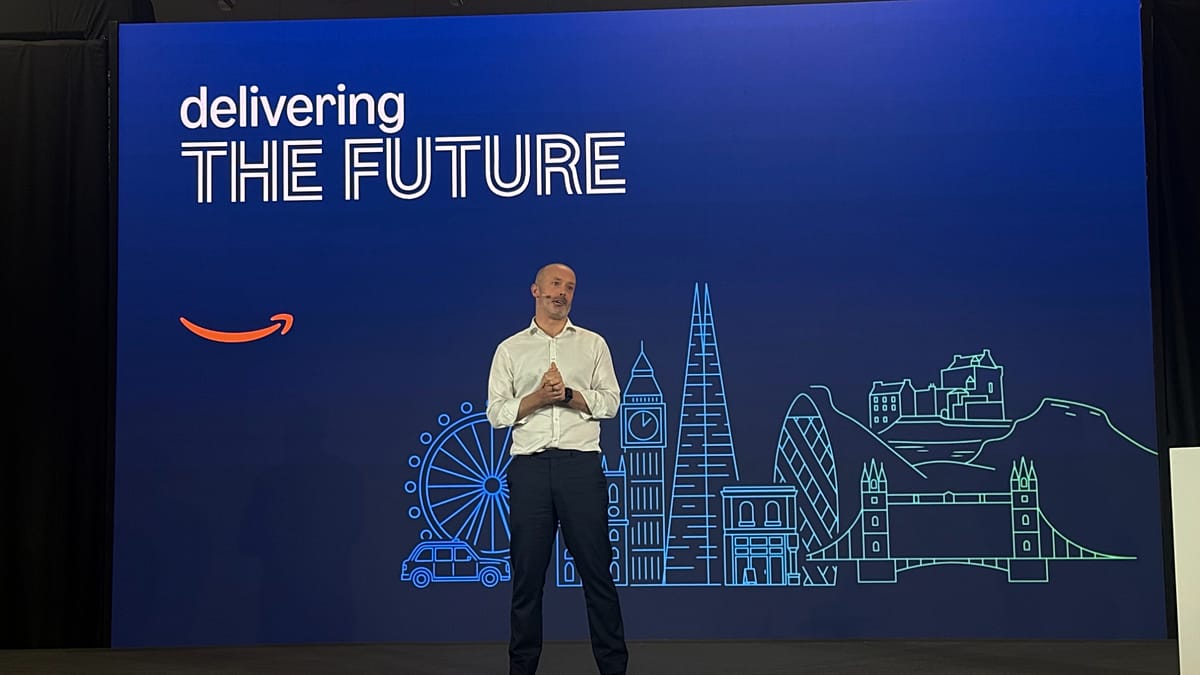
Amazon is making waves in Europe with a staggering €10 billion commitment that promises to create 25,000 new jobs and roll out warehouse robots across the continent. This massive investment comes as part of Amazon’s ongoing expansion strategy aimed at bolstering its logistics capabilities and enhancing customer service. The announcement was made in a press release that outlined ambitious plans for new fulfillment centers and delivery stations, ensuring that the tech giant can meet the growing demand for online shopping.

You heard it right! Amazon is not just sitting back; they’re stepping up their game. The new jobs will span various roles, from warehouse operatives to managerial positions, and are set to be scattered across key locations in Europe. Imagine 25,000 new faces joining the workforce, contributing to local economies, and creating opportunities that could change lives. This isn’t just about numbers—these are real people looking for work in a challenging economic landscape.

But wait, there’s more! Alongside the job creation, Amazon is also introducing advanced warehouse robots to streamline operations. These robots are designed to work alongside human employees, making tasks more efficient and reducing the physical strain on workers. It’s like something out of a sci-fi movie, but it’s happening right now in warehouses across Europe. The company is drawing plans to implement these technologies within the next few years, and you can bet that the excitement is palpable among tech enthusiasts and logistics experts alike.

Now, why is Amazon making such a bold move? Well, the company has been seeing unprecedented growth, especially since the pandemic pushed many consumers to shop online. They need to keep pace with this surge in demand—faster delivery times and improved customer satisfaction are crucial. By investing heavily in infrastructure and technology, Amazon is positioning itself to stay ahead of the competition. And let’s face it, with giants like Alibaba and local e-commerce players in the mix, they can’t afford to fall behind.

The investment isn’t just beneficial for Amazon; it’s a shot in the arm for the European job market, which has been struggling in the wake of economic downturns. Local governments and communities are likely to welcome this influx of jobs. The promise of new facilities can revitalize areas that have been hit hard, providing a much-needed economic boost. It’s a win-win situation for both the company and the regions involved.

As this story unfolds, many are left wondering what the future holds for Amazon in Europe. Will they continue to expand? How will this impact local businesses? And what about the workers—how will they adapt to the new technologies? These questions linger as the tech giant prepares to roll out its ambitious plans. One thing’s for sure: Amazon is not just a retailer; it’s a major player in shaping the future of work and commerce in Europe.

Kaynak: Orijinal Haber