
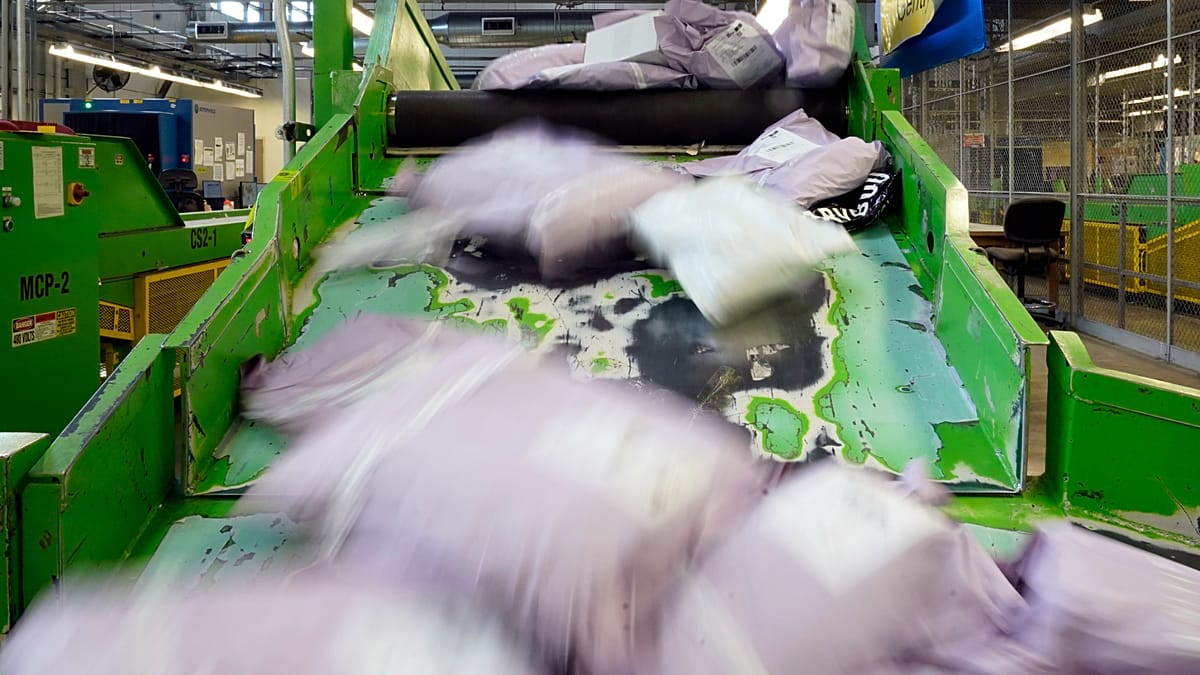
Small parcels from China have been pouring into European homes for years now. We’re talking about clothes, gadgets, accessories, and everyday items from platforms like Shein, Temu, and AliExpress, often costing just a few euros. But hold on a second! The European Union has decided it’s time to put the brakes on this flood. Since July 1st, any parcel worth up to 150 euros now faces a flat customs duty of 3 euros per product category. That’s right, folks! Until now, these little goodies slipped through without any customs duties. And the results? They’ve been nothing short of dramatic.
Listen to this: French customs reported a staggering drop of 30 to 40% in the number of small parcels coming into the EU since this new measure kicked in. The French government is using this as solid evidence that stricter regulations can actually change how these major Chinese platforms operate. Between June and July, Temu saw a jaw-dropping sales drop of 50%, while AliExpress wasn’t far behind with a 37% decrease. Shein, on the other hand, managed to hold up relatively better, only dipping 15%. But don’t pop the champagne just yet—it’s all thanks to a new warehouse set to open in Poland by the end of 2025, which might just help them navigate this tax storm.
In 2025, a whopping 5.9 billion low-value items flooded into the Union, translating to over 16 million parcels arriving every single day! Can you believe that? This whole system gave a leg-up to those big foreign platforms while local European retailers had to play by the same rules, paying their dues when they imported goods. Not cool, right?
The European Commission has also raised some red flags about safety. A survey conducted back in 2025 showed that more than 60% of those low-value products didn’t meet European safety standards. Crazy, huh? So these new rules are also a way for customs authorities to better spot products that could pose a risk.
Now, while this measure is effective, it’s not here to stay. It’s part of a larger overhaul of the European customs system that’s set to roll out in 2028. And wait, there’s more! Starting in November, we might see additional fees popping up to help fund parcel handling. Just another layer to keep an eye on, folks!
Bakalım, bu yeni düzenlemeler sonrasında neler olacak? İşte böyle arkadaşlar, gelişmeleri takip ediyoruz…
Kaynak: Orijinal Haber