
Mondelez CEO’su Rusya’daki İşletmelerini Savundu: “Doğru Karar

The CEO of Mondelez, the company behind beloved Cadbury chocolates, has come under scrutiny for its decision to keep operations running in Russia ami

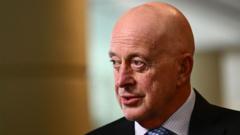
The CEO of Mondelez, the company behind beloved Cadbury chocolates, has come under scrutiny for its decision to keep operations running in Russia amid the ongoing conflict with Ukraine. Dirk Van de Put, the chief executive, openly expressed his discomfort with the idea that his company’s taxes may be indirectly funding the war. He stated that remaining in Russia was the “right decision” after the invasion began in 2022, warning that pulling out could jeopardize thousands of jobs and leave the company vulnerable to potential Kremlin control over its local operations.

While many Western corporations, including McDonald’s, have exited Russia following its aggressive actions toward Ukraine, Mondelez has opted for a different path. Van de Put emphasized that they have halted new investments and advertising expenditures in Russia, yet they continue to operate. “You try to be neutral in the whole conflict,” he explained, “We’re not trying to take sides.” However, he admitted, “We pay taxes in Russia that helps the war. I’m not pleased about that.”

Since the full-scale invasion, Mondelez’s sales in Russia have ranged between $1 billion and $1.4 billion annually. The decision to stay has drawn criticism, with over 70 MPs from the All Party Parliamentary Group on Ukraine signing a letter urging the company to sever ties with Russia. Alex Sobel, the group’s chair, stated, “Continuing to operate in a nation responsible for the deaths of countless Ukrainian civilians and the abduction of thousands of children cannot be justified under any definition of ‘business as usual.'”

Van de Put further shared his concerns about the potential repercussions of exiting Russia, suggesting that the company’s manufacturing plants could have been confiscated, leading to a situation where the Kremlin could continue selling Mondelez products to finance the war. “It is not the most popular decision, but I think it was the right decision,” he asserted.

Despite the turmoil, Mondelez maintains its operations in Ukraine, where the conflict looms large. Van de Put mentioned that an office building in Ukraine had recently been hit, fortunately with no casualties among the staff. “Everybody’s safe,” he said, reflecting on the precarious reality of the situation. The company operates two plants in Ukraine, one located in Trostyanets, near the Russian border, and another in Vyshhorod, close to Kyiv. “One plant got hit twice; we’ve rebuilt it twice,” he recounted, noting the significant costs involved in the reconstruction efforts.

In a show of commitment, Mondelez doubled salaries for all employees in Ukraine when the conflict escalated and has not laid off any workers. “We’re committed there, but for the people that work there every day, there’s danger,” he added. As the war continues to rage, the situation remains volatile, with reports of drone attacks and ongoing military actions affecting both Ukraine and Russia.

Bakalım bundan sonra ne olacak? Gelişmeleri takip ediyoruz…

Kaynak: Orijinal Haber
Mondelez Defends Staying in Russia Amid Controversy Over Tax Funding War

The CEO of Cadbury’s parent company, Mondelez, Dirk Van de Put, has publicly defended the decision to keep business operations in Russia, despite ack

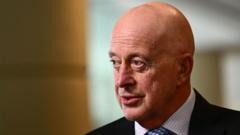
The CEO of Cadbury’s parent company, Mondelez, Dirk Van de Put, has publicly defended the decision to keep business operations in Russia, despite acknowledging his dissatisfaction with the fact that the company’s taxes contribute to the ongoing war in Ukraine. This statement comes after Russia’s invasion of Ukraine in 2022, which led many Western companies, like McDonald’s, to pull out of the Russian market entirely. Van de Put expressed that leaving would jeopardize thousands of jobs and potentially allow the Kremlin to seize control of their local operations.

The CEO pointed out that since the invasion, Mondelez has generated annual sales ranging from $1 billion to $1.4 billion in Russia. In a candid interview with the BBC’s Big Boss series, he stated, “I think over time you try to be neutral in the whole conflict. We’re not trying to take any side.” However, he admitted that the company pays taxes in Russia that indirectly support the war, saying, “I’m not pleased about that.”

The situation has sparked significant backlash, with more than 70 UK MPs signing a letter urging Mondelez to sever its ties with Russia. Alex Sobel, chair of the All Party Parliamentary Group on Ukraine, articulated the moral dilemma, saying, “Continuing to operate in a nation responsible for the deaths of countless Ukrainian civilians cannot be justified under any definition of ‘business as usual’.”

Van de Put responded to these criticisms by explaining the dire consequences of leaving Russia. He warned, “They would have confiscated our plant. It would have probably given them a much bigger source of income, keep on selling our products to fund the war.” His sentiments reflect the difficult balancing act companies face in wartime economies—protecting jobs and investments while grappling with ethical implications.

Meanwhile, Mondelez continues to operate in Ukraine, where it also runs two manufacturing plants. The CEO remarked on the harsh realities of doing business there, sharing that one of their plants has been hit twice, costing them tens of millions to rebuild each time. Despite these challenges, Van de Put noted, “We’ve agreed that we will rebuild every single time there so we keep on investing in the country.”

In a move demonstrating commitment to their Ukrainian workforce, the company doubled salaries at the onset of the conflict and has not laid off any employees. “We’re committed there, but for the people that work there every day, there’s danger,” he added, highlighting the risks faced by employees amid ongoing hostilities.

The broader context of the war is ever-present, with a recent drone attack in Tula, Russia, resulting in three fatalities, underscoring the ongoing violence. As the situation evolves, it raises questions about the future of international business in conflict zones and the moral responsibilities companies hold.

Bakalım bundan sonra ne olacak?

Kaynak: Orijinal Haber