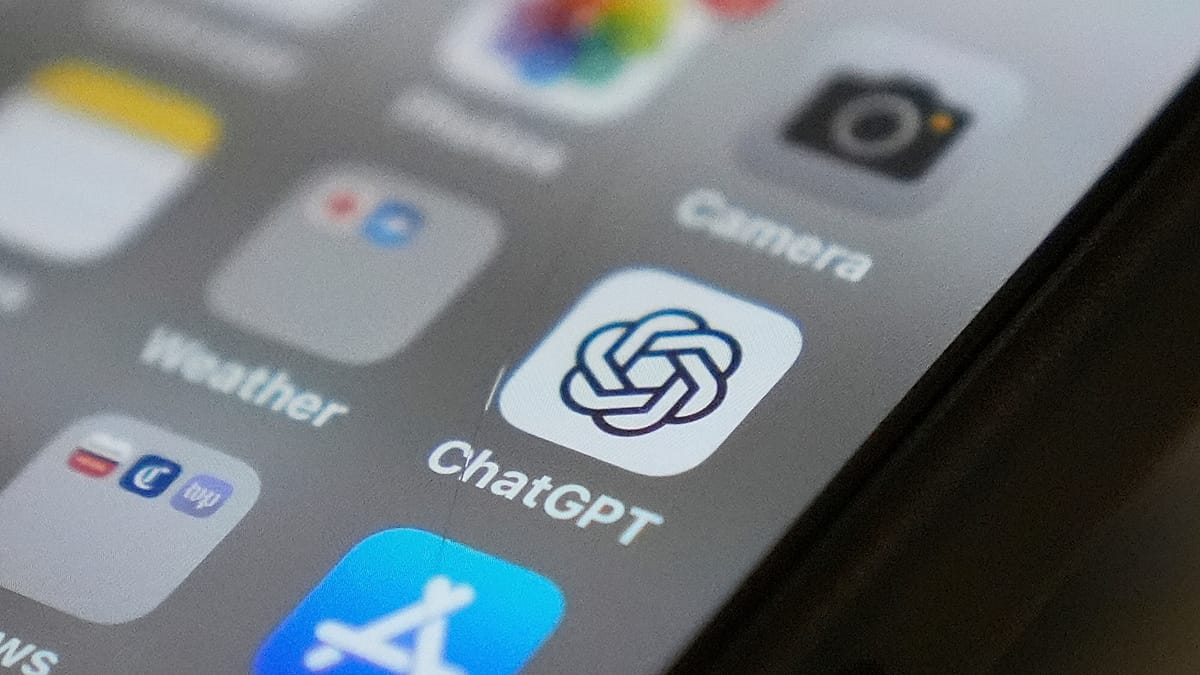
ChatGPT Avrupa’da Reklam Gösterimine Başlıyor!

Starting Monday, tens of millions of ChatGPT users across Europe will notice a significant change in their conversations with the chatbot. For the fi

Starting Monday, tens of millions of ChatGPT users across Europe will notice a significant change in their conversations with the chatbot. For the first time, OpenAI is rolling out its advertising program to its largest market yet, extending ChatGPT Ads to 31 European countries from August 24. This rollout increases the total number of markets where ads are displayed to 40. Initially tested in the US back in February, OpenAI has since expanded the program to Canada, Australia, New Zealand, the UK, Mexico, Brazil, Japan, and South Korea.

So, what does this mean for users? Essentially, ads will appear in the middle of conversations, providing a new way for advertisers to reach people while they’re actively exploring, comparing, and making decisions. However, OpenAI has reassured users that their conversations will remain private from advertisers, and they will never sell customer data. But, of course, these reassurances come in the wake of criticism surrounding the ad program since its announcement.

In January 2026, US Senator Ed Markey raised concerns with OpenAI’s CEO Sam Altman and other tech leaders about the potential for ads to exploit the emotional connections users form with chatbots. He specifically queried how OpenAI would prevent ads from targeting sensitive conversations about health, mental health, or politics.

When ads first rolled out in the US, some users were taken aback to see them on the paid Go tier, which costs $8 a month. Many argued that paying for a service should mean an ad-free experience, not just fewer ads. OpenAI has stated that users will have control over ad personalization, and those who prefer an ad-free experience can opt for pricier plans.

This rollout raises pressing questions about the vulnerabilities the EU faces in regulating such ads, especially since conversational AI presents unique challenges. Research and consumer advocacy groups argue that an ad inserted into a personalized chat is less recognizable as a persuasive attempt than a traditional banner ad or sponsored search result. Why? Because it blends seamlessly into the conversational tone users expect in their exchanges.

As of now, chatbot ads haven’t been fully evaluated by regulators or courts. There’s also another regulatory aspect to consider under the Digital Services Act (DSA) rather than the AI Act. The European Commission is currently contemplating whether ChatGPT could be classified as “definitely possible,” which would impose much stricter obligations on OpenAI, such as annual risk assessments, independent audits, a public advertising repository, and closer data-sharing with regulators.

Bakalım bundan sonra ne olacak? Kullanıcılar bu değişime nasıl tepki verecek? Gelişmeleri takip ediyoruz…

Kaynak: Orijinal Haber

OpenAI’s New Update Makes ChatGPT Less ‘Human’ for Teens

OpenAI has just rolled out a slew of new safety features aimed specifically at teenagers using its ChatGPT AI chatbot. Starting today, teens who set

OpenAI has just rolled out a slew of new safety features aimed specifically at teenagers using its ChatGPT AI chatbot. Starting today, teens who set up new accounts will have the option to turn off the human-like voice response, a move designed to reduce the sense of interacting with a “seemingly conscious” AI. This change comes as OpenAI is looking to address safety concerns surrounding the technology, which has reportedly kept some users awake at night.

The company announced that teen accounts will be the default setting for those who identify themselves as teenagers during the signup process. However, the tech giant didn’t provide much detail on how it would verify the age of those accounts. It’s important to note that users under 13 years old are prohibited from using the service. Last year, OpenAI introduced a feature called Study Mode, which helps students work through their school assignments without directly giving away answers. Now, young users can set specific hours during which Study Mode will be the default, allowing for a more focused approach to learning.

Furthermore, the new update includes “quiet times,” a feature designed for moments when offline support might be most beneficial. But, let’s not forget that the AI tool Claude is still exclusively for adults. This transition follows a similar path taken by Google when it launched its Gemini AI tool, initially referred to as Bard, which also restricted access for children.

In a broader context, Dr. Susan Shelmerdine, a medical imaging specialist at Great Ormond Street Hospital, mentioned last year that there might come a day when doctors will start inquiring about patients’ AI usage just like they ask about smoking or drinking habits. This raises questions about the long-term implications of AI on young minds, with some experts expressing concerns about an “avalanche of ultra-processed minds.” OpenAI’s new parental controls seem like a step, but are they enough to tackle this growing issue?

For now, it appears we’re in a phase of adaptation. The changes aim to make ChatGPT a safer space for younger users, but many are left wondering how effective these measures will be in the long run. Are we ready for a world where AI plays such a pivotal role in our daily lives, especially for the younger generation? Only time will tell as we continue to navigate this evolving landscape…

Kaynak: Orijinal Haber

Why Young People Turn to ChatGPT for Emotional Support

Talking to ChatGPT about a break-up, seeking advice before making a crucial decision, or even using it as a support tool to ease anxiety has become a

Talking to ChatGPT about a break-up, seeking advice before making a crucial decision, or even using it as a support tool to ease anxiety has become a common practice, especially among the youth. What was merely a tech novelty just a few years ago is now solidifying its role as one of the primary uses of generative artificial intelligence. And the numbers? They back this trend up big time! According to a report from Harvard Business Review in Spanish, the most frequent use of generative AI is for emotional support or companionship, surpassing even personal life management, searching for a sense of purpose, or adopting healthy habits.

Let’s dive into the details. A 2025 study by Línea Directa revealed that a whopping nine out of ten young Spaniards aged 16 to 19 are turning to technology for health information. Moreover, about 24.8% of Spaniards have opted for digital self-diagnosis as their first choice! In Mexico, this trend is also on the rise. The sixth edition of the AXA Mind Health Report shows that 71% of the population is using AI tools to seek mental health support. This surge in usage coincides with a worrying backdrop of deteriorating mental health across the globe. The World Health Organization estimates that more than 1 billion people worldwide are grappling with some disorder or issue affecting their psychological well-being.

But wait, it’s not all sunshine and rainbows! The increasing dependence on these technologies has sparked concerns. An investigation by The Guardian highlighted that some AI systems, when integrated into search engines, have gone as far as providing incorrect health information or presenting decontextualized content as reliable. Because of the potential impact these technologies can have on lives, the European Union has placed AI systems related to health under the strictest regulations in its Artificial Intelligence Act.

For Mexican psychologist María Ferda Cruz Urquiza, this phenomenon speaks to very specific emotional needs. She’s observing a growing number of people turning to ChatGPT before making significant decisions, particularly those tied to relationship conflicts or break-ups. In her words, artificial intelligence brings something many individuals crave: constant availability. “ChatGPT always validates what the user tells it, and that constant validation is something patients find very appealing,” she explains. Plus, the chance to open up without fear of judgment and receive immediate responses is particularly alluring for those battling anxiety.

Psychotherapist Cecilia Paredes Aldama largely agrees but notes she hasn’t seen her patients replacing therapy with ChatGPT just yet. However, she does notice them using the tool to draft messages, communicate more assertively, or prepare for tough conversations. “It’s a resource, especially for people who don’t want to lay their problems bare in front of others,” she points out. Both experts acknowledge that while artificial intelligence can be beneficial in certain contexts, it shouldn’t be mistaken for a therapeutic process.

Now, let’s not overlook a major concern that both psychologists share: the interaction style of these systems. Paredes warns that AI often adopts an excessively accommodating tone. “Psychotherapy challenges you; artificial intelligence doesn’t. It’s completely indulgent.” In her view, if someone becomes reliant on ChatGPT for validation, they might reinforce misguided interpretations of their reality. “If you get into the habit of consulting AI and it always tells you that you’re right, you can end up with a distorted image of your life.” She even cautions that such dynamics could encourage selfish behavior or amplify narcissistic traits.

Cruz Urquiza shares similar worries but approaches it from a different angle. She finds ChatGPT to be “over-empathetic,” a feature that may provide immediate relief but doesn’t necessarily promote profound change. Despite recognizing AI’s potential, both professionals agree that there’s one fundamental aspect no algorithm can replicate: the therapeutic relationship. For Paredes, feelings of shame, guilt, or emotional pain find genuine relief only when shared with another person. “Shame is an emotional state that is eased by talking about it, by sharing it. It needs human connection.” She emphasizes that one cornerstone of any psychotherapy is the bond between therapist and patient. “We are relational beings, and artificial intelligence will never replace human bonds.”

Cruz Urquiza backs this perspective with scientific evidence from interpersonal neurobiology, stating bluntly, “Real therapeutic change happens in the resonance between two human beings, something AI cannot replicate.” Interestingly, both psychologists seem to arrive at the same conclusion: Artificial intelligence can help clarify specific questions, organize thoughts, manage tasks, or serve as initial support when no other alternatives are available. However, when emotional distress becomes chronic or affects multiple areas of life, they recommend consulting a professional. As Cecilia Paredes puts it: “Artificial intelligence is just a practical tool; there’s no depth.” María Ferda Cruz Urquiza encapsulates the ongoing debate on the future of AI in mental health perfectly: “ChatGPT knows a tremendous amount, yet it still doesn’t know what humans know: how to be there for someone from the experience of being.”

Kaynak: Orijinal Haber

ChatGPT ile Alışveriş Dönemi Başlıyor: Visa Anlaşması!

ChatGPT, artık alışveriş yapma yeteneğine sahip. Evet, yanlış duymadınız! Yapay zeka asistanı, ödemeler devi Visa ile yaptığı yeni anla

ChatGPT, artık alışveriş yapma yeteneğine sahip. Evet, yanlış duymadınız! Yapay zeka asistanı, ödemeler devi Visa ile yaptığı yeni anlaşma sayesinde, kullanıcılar adına ürünleri satın alabilecek. Bu gelişme, özellikle online alışverişin hızla arttığı bir dönemde oldukça dikkat çekici. Peki ama bu nasıl olacak?

Öncelikle, Visa’nın sunduğu ödeme altyapısı ile ChatGPT, kullanıcıların ihtiyaç duyduğu ürünleri kolayca alabilecek. Yani, bir akıllı asistan olarak karşımıza çıkan ChatGPT, artık sadece bilgi sağlamakla kalmayacak, aynı zamanda alışverişte de yanımızda olacak. Kullanıcıların, “şu ürünleri al” demesi yeterli olacak. Özellikle yoğun tempolu yaşam sürenler için büyük bir kolaylık sunuyor.

Bu yeni özellik, kullanıcıların günlük yaşamlarını nasıl etkileyecek? Şimdi bir düşünün; her gün alışveriş yapmak için harcadığınız zamanı, ChatGPT ile azaltabilirsiniz. Yani, “Yahu bu hafta neler alacaktım?” dediğinizde, akıllı asistanınız hemen devreye girecek ve sizin için alışveriş listesi oluşturup istediğiniz ürünleri satın alacak. Artık markette geçirdiğiniz uzun saatlere veda edebilirsiniz.

Fakat, bu yeni sistemin güvenliği konusunda bazı endişeler de var. Kullanıcıların kredi kartı bilgileri gibi hassas verilerin korunması, bu tür bir uygulamanın en kritik noktası. Visa’nın, bu konuda nasıl bir önlem alacağı merak konusu. Kullanıcıların, bu yeni özelliği kullanmaya başlamadan önce, güvenlik protokollerine dikkat etmesi gerekecek.

Gelecekte, yapay zeka destekli alışverişin nasıl bir evrim geçireceğini düşünmek heyecan verici. Belki de birkaç yıl içinde, fiziksel mağazalara gitmek yerine sadece ChatGPT gibi bir asistan ile alışveriş yapacağız. Bakalım, bu teknoloji nasıl bir değişim yaratacak?

Gelişmeleri takip ediyoruz…

Kaynak: Orijinal Haber