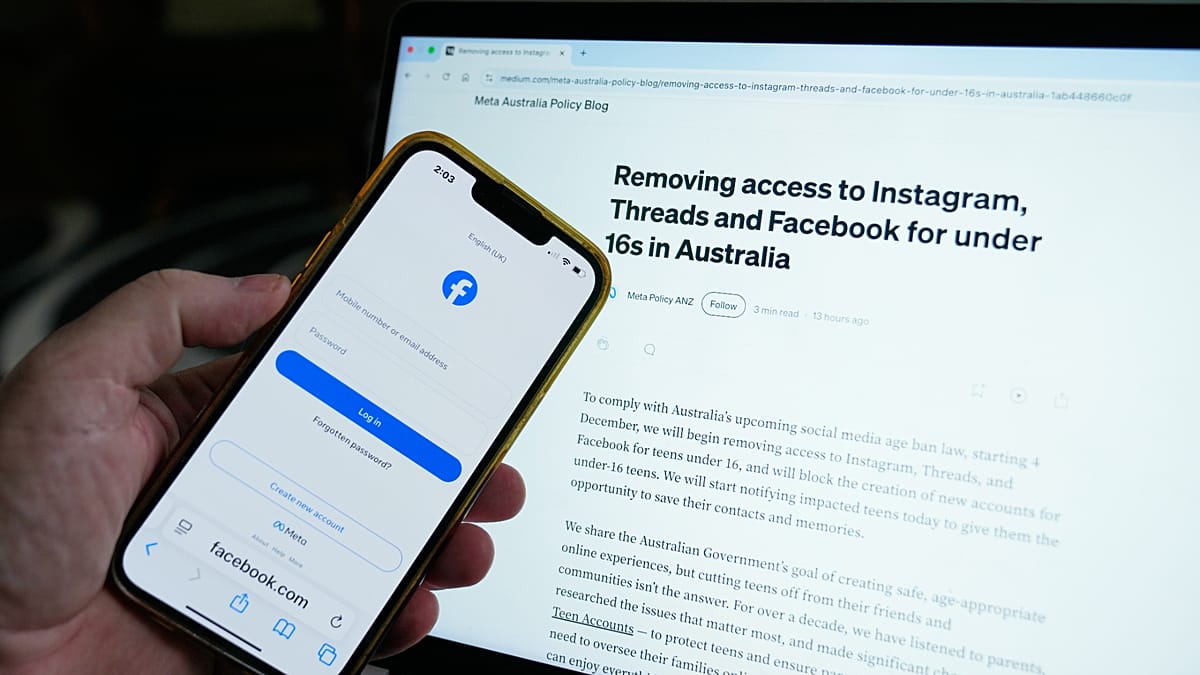
TikTok Under Fire: Ofcom Launches Probe into Child Age Checks

An investigation has been launched into whether TikTok is doing enough to keep children off its platform. This probe by the media regulator Ofcom com

An investigation has been launched into whether TikTok is doing enough to keep children off its platform. This probe by the media regulator Ofcom comes just a month after the UK government announced that it would be looking into age verification processes for users under 16. A TikTok spokesperson responded, emphasizing the company’s commitment to enhancing online safety. This scrutiny follows a review by Ofcom in May that criticized the platform for not being “safe enough” for young users.

Kate Davies from Ofcom’s Today programme voiced serious concerns, stating, “At the heart of the regulator’s review, we have very serious questions about whether age inference can be highly effective.” This is a big deal, folks! TikTok, which has been all the rage among kids and teens, is now facing some serious doubts about its ability to keep minors safe online.

The spokesperson for TikTok claimed that the company has invested “billions” into ensuring the protection of children on their platform. However, some critics are not convinced. A prominent voice in this debate, who has worked with Ofcom, criticized TikTok for what he described as “egregious failures” in preventing minors from being exposed to a “tsunami of harmful content.” Can you believe it? They’re really ruffling some feathers over there!

Rebecca Smart, a criminal lawyer and online safety expert at the law firm Payne Hicks Beach, acknowledged that Ofcom has “made some headway” in protecting children but stressed that much more needs to be done. It’s clear that the Online Safety Act is trying to establish stricter guidelines, but will it be enough to keep kids safe?

As part of this ongoing conversation about online safety, it was noted that both TikTok and YouTube are “not safe enough” for kids, according to Ofcom. And to top it all off, there’s even a midnight social media curfew being proposed for UK teens aged 16 and 17! You’ve got to wonder, what’s next? Are we going to see a full-on crackdown on social media for the younger generation?

With all these developments, it remains to be seen how TikTok will respond to Ofcom’s findings and what measures they will implement to ensure the safety of their young users. Will they rise to the occasion or continue to face scrutiny? Only time will tell…

Kaynak: Orijinal Haber

Parents Advised Against Sharing Kids’ Photos Due to AI Abuse Risks

Parents are being urged not to share images of their children online, and it’s a serious warning from the National Crime Agency (NCA). With the rise

Parents are being urged not to share images of their children online, and it’s a serious warning from the National Crime Agency (NCA). With the rise of AI-generated abuse imagery, this caution is more important than ever. The NCA, in collaboration with the Internet Watch Foundation (IWF), has highlighted a growing threat facing children. You might think it’s just harmless sharing among friends, but the risks are escalating. The guidance from these agencies states, “AI is becoming a part of everyday life,” and this isn’t just a passing trend—it’s a real concern.

Hold on to your hats, folks, because the numbers are staggering. In 2024, the IWF reported 13 AI-generated videos of child sexual abuse. Fast forward to 2025, and that number skyrocketed to 3,440! This kind of imagery is classified as Child Sexual Abuse Material (CSAM) in the UK. The government is stepping in to combat these AI abuse threats, particularly focusing on young girls, and has even banned so-called “nudification.” It’s a tough message for parents and caregivers to digest, but remember, you’re not alone in this.

So, what can you do to keep your kids safe? The guidance points to three essential steps. First up, review your privacy settings. Many social apps have features under “Settings” that allow you to limit post visibility or even switch to a private account. Second, it’s crucial to check your social media accounts. Go through the content you’ve already shared to ensure no identifying details—like your child’s face or school uniform—are visible. If you spot something risky, don’t hesitate to delete it. And last but not least, revisit image consent. Have conversations with friends, family, and even institutions your child interacts with, like schools or clubs, about how their images are being used.

Involving your children in these discussions might sound a bit daunting, but it’s key to making them feel comfortable about saying “no” when it comes to sharing their image. It’s been a long road of warnings from child safety experts about the perils of “sharenting,” where parents share too much personal information online. Now, with the additional concern of AI abuse, the stakes feel even higher. “We don’t want to say don’t share your children,” said IWF chief Kerry Smith, emphasizing the importance of being cautious.

As parents, it’s vital to navigate these waters carefully. Who knows what the future holds in this rapidly changing digital landscape? With AI weaving its way into our daily lives, vigilance is more essential than ever. So, what’s your next move? How will you ensure your child’s safety online?

Kaynak: Orijinal Haber

Australia Raises Social Media Fines: A Bold Move Against Underage Accounts

Australia is on the verge of doubling the fines for social media platforms that fail to prevent children from creating accounts, a response driven by

Australia is on the verge of doubling the fines for social media platforms that fail to prevent children from creating accounts, a response driven by alarming statistics. According to recent reports, a staggering seven out of ten kids have managed to stay on restricted platforms three months after a groundbreaking ban on under-16s came into effect. This ban, which became law on December 10, targets major players like Facebook, Instagram, Snapchat, and TikTok.

The government’s announcement came on a Sunday, with Communications Minister Anika Wells stepping up to take the platforms to task. Speaking to the Australian Broadcasting Corp, she didn’t hold back: “We’re not seeing improvements.” This clear message indicates that the initial legislation might have been too lenient. The eSafety Commissioner echoed these sentiments, suggesting that the legislation was poorly constructed from the start.

Parliament had passed this initial ban with overwhelming support back in 2024, giving the targeted platforms over a year to prepare for compliance. Yet, here we are, and the situation hasn’t changed much. Wells also revealed that since March, she has been receiving monthly updates from the online safety regulator, which highlighted the lack of progress on the platforms’ end.

Countries around the globe that are contemplating similar restrictions are keeping a close eye on Australia’s moves, curious about how these fines will play out. Will the new legislation be the wake-up call needed for these social media giants? Or will they continue to skirt the rules, leaving kids at risk?

As the government prepares to introduce draft legislation this week that could see fines soar to a whopping 99 million Australian dollars (around €63 million), one can’t help but wonder how platforms will react to avoid these hefty penalties. Will they finally take the steps necessary to protect our youth from the dangers lurking online?

Kaynak: Orijinal Haber

UK Announces Social Media Ban for Under-16s Set for 2027!

A social media ban for children under 16 has been officially announced by the UK government, slated to kick in by early 2027. The Prime Minister, Sir

A social media ban for children under 16 has been officially announced by the UK government, slated to kick in by early 2027. The Prime Minister, Sir Keir Starmer, emphasized that keeping kids off social media is the best way to ensure their safety online. Major platforms affected by this ban include Snapchat, TikTok, Instagram, Facebook, and X, with YouTube also being prohibited for those under 16. However, YouTube Kids, a safer version of the platform for younger audiences, will remain accessible.

The government hasn’t released a comprehensive list of all platforms that will be affected, but they indicated it would cover any service designed for social interaction and user-generated content. Starmer mentioned the UK would “go further” than other nations, implementing stricter measures, such as limiting livestreaming and communication with strangers on a wider array of online services, including gaming sites.

Even though Roblox, a popular gaming site among children aged 8 to 12, won’t be banned outright, certain features like its chat function will face restrictions. Interestingly, messaging services like WhatsApp and Signal will not fall under this social media ban. Most of these platforms already have age restrictions, requiring users to be over 13 to create accounts.

Now, regarding features considered “high risk,” such as livestreaming and chatting with strangers, the government plans to have restrictions in place by default for users under 17. They’re also looking into overnight curfews and breaks in infinite scrolling for users under 18. Expect more details on these measures to be shared in July.

The government’s move follows a public consultation that received over 116,000 responses, including voices from bereaved parents. For instance, Mariano Janin, whose daughter Mia tragically died at 14 due to cyberbullying, expressed his relief at the announcement, stating, “I think it’s a change in the right direction.” On the flip side, some parents feel the ban should have been implemented sooner, as voiced by Lisa Kenevan, whose son Issac passed away at 13 after participating in a harmful viral trend.

But it’s not just parents who have opinions. Many teenagers are worried about how this ban will affect their social lives and self-expression. For example, 14-year-old George pointed out that kids his age should have the freedom to make their own choices, while 15-year-old Lilly shared her thoughts on how platforms like TikTok help her express herself through performing and sharing videos.

Companies like YouTube and Snapchat, along with Meta (the parent company of Facebook and Instagram), argue that the ban won’t effectively protect teens. They warn it might push them towards “less safe” platforms. Meta even suggested that any restrictions should be backed by a robust age verification system to prevent users from sharing personal IDs with various services.

Looking at international examples, Australia has already introduced a similar ban for kids, enforcing strict measures that prevent children from setting up new accounts on popular platforms. And while the UK is looking to follow this model, challenges remain. Reports indicate that in Australia, many kids still navigate around these restrictions, with a significant number of parents claiming their children continue to use social media platforms.

As discussions about social media regulations continue across various countries, it’s clear that this is a hot-button issue. The UK government aims to finalize these regulations by Christmas this year, paving the way for the ban’s rollout in spring 2027. Will this bold step truly make children happier and safer online? Only time will tell as we keep our eyes peeled on the developments ahead.

Kaynak: Orijinal Haber

UK Police Urge Ban on Social Media for Children Under 16 Amid Safety Concerns

Children under 16 should be barred from social media, gaming, and artificial intelligence apps that include private messaging features, according to

Children under 16 should be barred from social media, gaming, and artificial intelligence apps that include private messaging features, according to police bosses in the UK. This recommendation comes from the National Police Chiefs’ Council (NPCC) and the National Crime Agency (NCA), emphasizing the urgent need for safer online environments for minors. The statement highlights the dangers posed by platforms that fail to protect children from harmful content, allow the sharing of nude photos, or enable strangers to contact young users.

This call for action aligns with the UK government’s recent consultation regarding a social media ban for those under 16. The government has voiced its support for the regulator Ofcom to take strong measures against tech companies that inadequately safeguard children online. Presently, discussions are underway in the UK about potential strategies such as implementing age limits, outright bans, or setting app curfews, while also aiming to make it impossible for children to take, share, or view nude images. However, according to the NCA, these efforts may be too little, too late. “Our assessment is clear: the online environment in its current form is not safe for children. The industry response has been too slow, while the problem has been getting worse. Enough is enough,” stated NCA director general Graeme Biggar.

Biggar further pointed out that tech companies face a choice: either they must effectively prevent children from accessing dangerous features or make those features safe for young users. Failure to do so should result in a government ban for those under 16. In a similar vein, NPCC chairman Gavin Stephens described the current online space as a “wild west,” where regulation and law are lagging behind rapidly advancing technology. “The risk to children and the harms caused are severe and wide-ranging. The online space has made it too easy for criminals, abusers, fraudsters, and extremists to target the most vulnerable in our society and destroy lives,” said Stephens.

Both agencies, however, clarified that they would prefer to enable children to safely enjoy the benefits of social media and the internet rather than pushing for a total ban. Some features found on social media platforms pose significant risks to children, according to police assessments. These features should be removed from any apps intended for minors, including the ease of finding a large number of children and the unmonitored contact with strangers, particularly adults. Other concerning elements include encrypted or private messaging, as well as algorithms that promote illegal or harmful content. The ability to share or stream nude images also heightens the danger on several platforms, compounded by inadequate age checks to prevent children from accessing adult content.

Despite many of these risks already being addressed in the Online Safety Act in the UK, which outlines rules and codes for platforms, numerous companies continue to flout these regulations. While Ofcom has the authority to investigate and impose fines on such companies, the police agencies are advocating for Ofcom to have the power to enforce minimum age policies and tighten controls on nudity at the device level. This would ideally curtail minors from taking, sharing, or streaming nude images and videos, especially as cases of child sexual abuse linked to online activity continue to rise alarmingly in the UK.

Some platforms, including Apple, Instagram, and TikTok, have initiated measures to prevent children from seeing or sending nude content in messages by disabling direct messaging technology. This comes amid growing concerns that end-to-end encrypted messaging is hindering efforts to prevent grooming and child abuse. Nevertheless, worries about potential data leaks and compromised online privacy persist if private messaging features are discontinued.

Kaynak: Orijinal Haber