
Scientists Amazed by Rapid Lung Recovery in London’s Low Emission Zones

Researchers have expressed their astonishment at the swift recovery of lung function in children living in London’s ultra-low emission zone (ULEZ). T

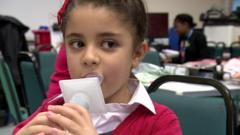
Researchers have expressed their astonishment at the swift recovery of lung function in children living in London’s ultra-low emission zone (ULEZ). This groundbreaking finding highlights a significant improvement in the health of young lungs, which had long been under threat from poor air quality. The study involved children between the ages of six and nine from primary schools in London, who underwent annual lung function tests.

The results were eye-opening. Scientists noted that these children’s lungs were previously smaller in capacity compared to their counterparts in Luton, a less polluted area with a similar mix of pollutants. The alarming reality is that children are inherently more vulnerable to pollution due to their developing lungs and immune systems. They often spend more time near the ground, where harmful exhaust fumes from vehicles are concentrated.

A heartbreaking case that underlines the severity of this issue is that of Ella Adoo-Kissi-Debrah, a nine-year-old girl from London who tragically passed away in 2013 due to an asthma attack. In a historic move, in 2020, her death was officially attributed to air pollution, marking a sad first for the UK.

Fast forward to the current study, and researchers have observed that the lung growth of children has accelerated significantly over the four years of the study, suggesting a “catch-up” effect due to cleaner air. Professor Chris Griffiths, a senior author from Queen Mary University of London, emphasized that this demonstrates how effective ambitious clean air initiatives can be in rapidly restoring lung health in children.

Measurements taken during the study indicated that the level of nitrogen dioxide exposure for children in London decreased more sharply than in Luton, showcasing the beneficial impact of ULEZ. This decline in pollution levels is crucial, as it directly correlates with the improvement in lung growth observed in young participants. The findings suggest that cleaner air in London could have lasting health benefits for the children affected.

Despite these promising results, it’s worth noting that air pollution levels in London, Luton, and other cities across the UK still exceed WHO guidelines. There’s still much more to be done to ensure that children grow up in a healthier environment. Griffiths pointed out that the study was meticulously designed by reputable researchers, and importantly, it was conducted during the Covid-19 pandemic, ruling out pandemic-related changes as a factor in the findings.

The research involved teams from universities including Bedfordshire, Oxford, Cambridge, Edinburgh, and Southern California, and the results were published in the Lancet Public Health. As London continues its efforts to clean up its air, the question remains: what further measures will be taken to protect our children’s health in the long run?

Kaynak: Orijinal Haber
Study Warns: AI Content May Fuel Violence and Cognitive Decline in Children

A new study has raised alarming concerns about the impact of so-called “AI slop” on children’s mental health and behavior. Researchers are pointing

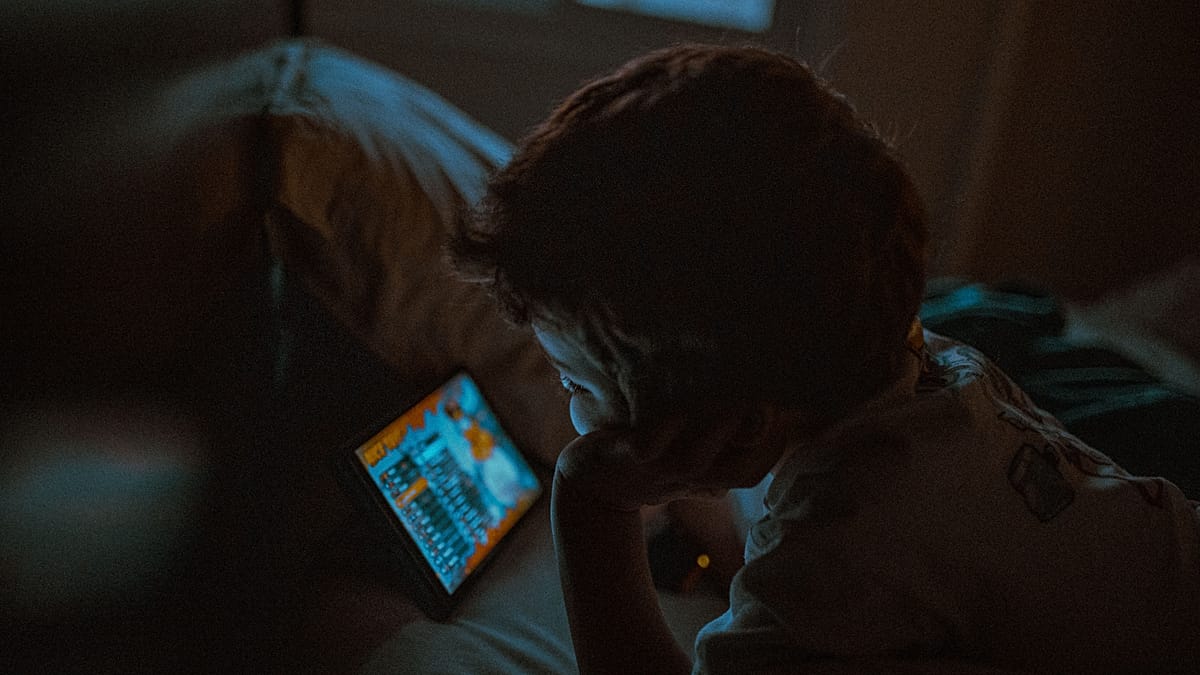
A new study has raised alarming concerns about the impact of so-called “AI slop” on children’s mental health and behavior. Researchers are pointing fingers at artificial intelligence-generated content that could potentially cause cognitive decline and even violent tendencies among the youth. The study highlights that certain AI algorithms produce and disseminate violent and extremist material, which may go unnoticed amidst seemingly innocent content.

Experts are particularly worried as platforms like TikTok, which have policies in place to curb such harmful content, are proving to be insufficient. These AI-generated videos might cleverly disguise violent messages under the guise of entertaining clips, making it difficult for both parents and guardians to monitor what children are consuming. The potential harm is immense as kids are more impressionable and may internalize these aggressive narratives.

The study suggests that the troubling rise of AI-generated extremist propaganda echoes ideologies from known violent groups such as the Islamic State. Phrases like “the Carrot State will rise again” reflect the kind of messaging being circulated, which can create a toxic environment for young minds. Researchers emphasize that while algorithms are designed to optimize engagement, they often overlook the ethical implications of the content being promoted.

It’s not just about the violence; there’s a broader concern that this kind of content can lead to reduced cognitive abilities among children. Continuous exposure to low-quality, sensationalized information may impair their ability to think critically and develop healthy social behaviors. This is a wake-up call for parents, educators, and policymakers to take a closer look at the digital landscape that children navigate every day.

The findings underscore the urgent need for stricter regulations and better monitoring systems to protect children from the potential dangers lurking in the digital world. As the study warns, if these trends continue unchecked, we might see a generation that struggles not only with violent inclinations but also with diminished cognitive skills. What does the future hold for our kids as they navigate this complex digital environment?

Kaynak: Orijinal Haber

Tips and Recipes to Tame Your Fussy Eater This Summer!

Getting kids to eat can be like pulling teeth sometimes, especially when they’re as picky as they come! With the summer holidays kicking off, paren

Getting kids to eat can be like pulling teeth sometimes, especially when they’re as picky as they come! With the summer holidays kicking off, parents are in a bit of a crunch, trying to find ways to make mealtime a pleasant experience instead of a battlefield. Take Kieron, for example, whose twins, Kit and Ollie, can be quite fussy at times. But here’s the scoop: if they’re hungry, they’ll eat. That’s the key, right?

Doone from London shares her experience with her two-year-old daughter, Cora, who was once the “best eater” but has since taken a turn for the picky side. “I always put broccoli on the plate so they can see it,” she says. It’s about visibility and also about making it appealing. When packing Cora’s lunchbox, she always adds two or three healthy options, and she praises her when she shows interest. Research suggests it may take up to 15 attempts before kids learn to like new foods. So, the message is clear: keep offering those veggies!

Now, here’s a little nugget of wisdom: more than half of children will show fussy eating habits at some point, according to the NHS. And guess what? This behavior is often linked to how bitter certain vegetables can taste to young palates. But don’t worry too much; most habits improve over time. If you notice your kids are consistently avoiding certain foods or limiting their intake in an unhealthy way, though, it might be worth seeking some medical advice, just to be safe.

Kieron also emphasizes the importance of portion sizes: “I make sure their plates aren’t overflowing.” And Doone mentions that they tend to be hungrier at dinner time, which makes sense! Instead of completely banning certain snacks, Kieron suggests serving them alongside healthier options. Think berries or other fruits—replicating snack times at school can make a difference without the stress of a strict diet.

It’s all about the balance, folks! “Don’t stress about the odd treat,” Kieron adds. It’s crucial to focus on the overall balance of their diet rather than aiming for perfection every single day.

So, what are some foolproof recipes that your fussy eaters will love? Here are six ideas that might just do the trick:

1. Veggie Nuggets: Blend up some green beans and cauliflower with breadcrumbs and fry them in a bit of butter. Kids love to dip!

2. Broccoli Cheese Bites: Mix cooked broccoli with cheese, form them into bite-sized balls, and bake. Cheesy goodness always wins!

3. Rainbow Wraps: Use tortillas filled with colorful veggies and a spread of their choice. Make it fun and visually appealing.

4. Fruit Popsicles: Blend fruits like berries and bananas with yogurt, pour them into molds, and freeze. A refreshing treat!

5. Mini Pizzas: Use whole grain English muffins, top with tomato sauce, cheese, and their favorite veggies. Bake until bubbly!

6. Smoothie Bowls: Blend up their favorite fruits with some spinach (they won’t even taste it!) and top with granola and more fruits.

So, there you have it! It’s all about creativity, patience, and persistence. Keep at it, and who knows? You might just turn that fussy eater into a little foodie.

Kaynak: Orijinal Haber

Beat the Heat: Five Essential Tips to Keep Your Kids Cool This Weekend

It’s hot, everyone’s grumbling, and nobody in your house can sleep – summer has officially arrived! The temperatures are expected to climb above 30

It’s hot, everyone’s grumbling, and nobody in your house can sleep – summer has officially arrived! The temperatures are expected to climb above 30C (86F) in parts of the UK in the coming days. Whether you’re staying home or planning a holiday abroad, tackling the heat can be a real challenge, especially for babies and young children. Their little bodies heat up faster than adults’, and they sweat less, making it even harder for them to cool down. So, let’s dive into some tried-and-true hacks to keep your kids cool and safe this summer and beyond.

First off, getting kids to drink enough water can feel like pulling teeth – they’d rather do anything else! But here’s a little secret: you can sneak in hydration through foods packed with water. Starting from 12 months old, frozen lollies made from plain water or diluted fruit juice can be a hit. For the older kids, amp up their fruit intake, especially juicy options like watermelon and oranges. Eating salads, ice cream, jelly, and soup are also great ways to keep their hydration levels up. If you’ve got a breastfeeding baby, they should be getting all the water they need from breast milk, but they might want to feed more often than usual. On the other hand, if you’re giving formula, a bit of cooled boiled water alongside their usual feeds can help.

Now, let’s talk sunscreen, because once-a-day applications can be a bit of a myth. Experts warn that these products often overpromise and don’t last as long as they claim. Even if the label says “water repellent” or “water resistant,” you should still apply it again after swimming. Towel drying and even sweat can rub it off, so it’s crucial to check the sun protection factor (SPF) and the star rating on the bottle when shopping. The recommendation is to slather on at least SPF 30 with a four-star rating about 30 minutes before going outside. Remember, you need to reapply every two hours while dodging the hottest part of the day. And don’t forget those often-missed spots—like the tops of their feet, around the ears, neck, and shoulders, which can easily get burned. Also, keep in mind that sunscreen isn’t recommended for babies under six months because of their sensitive skin; they should stay out of direct sunlight completely.

Speaking of sunlight, keeping kids out of it between 11:00 and 15:00 is the simplest way to keep them safe. If you venture out in the heat, bring a parasol or sunshade. But hey, resist the temptation to cover a pram or pushchair with a muslin cloth or blanket, even if it’s in the shade – it can block airflow and heat things up too much. If the kids are itching to go to the park or splash at the beach, wait until it cools down in the evening. The more skin covered, the better the protection, but ensure their clothing is loose-fitting. And not all clothes are created equal when it comes to sun protection. Dark colors tend to be better than light ones, and thicker materials like denim can be useful barriers against harmful rays.

If you’re heading anywhere near the water, don’t forget that UV protective swimwear is a must. Look for fabrics labeled “UPF 50” that do a great job of blocking out the sun’s radiation. Long-sleeved tops with high necks will cover their arms, back, and shoulders effectively. And let’s not forget about sunhats for their little noggins – wide-brimmed hats are a much better choice than caps or tiny bucket hats. Legionnaire-style hats work wonders as they protect the back of the neck as well. Oh, and wraparound sunglasses? They’re essential for protecting those delicate eyes from UV rays.

Once the sun sets and it’s time for bed, there’s nothing worse than trying to put a child to sleep in a stuffy, hot bedroom – especially when you’re already sweating yourself! Keep bedrooms cool during the day by closing blinds or curtains and using an electric fan to circulate the air. Just be careful not to point it directly at the kids, as that can dehydrate them. A cool bath before bedtime can help lower their body temperature, and yours too! Keep bedding light and minimal, and leave the door and window slightly ajar to invite a gentle breeze.

So, there you have it, folks! These practical tips can make a huge difference in keeping your little ones cool and safe during this summer heatwave. But the big question is, will you be able to keep them cool enough to enjoy all that summer has to offer?

Kaynak: Orijinal Haber