
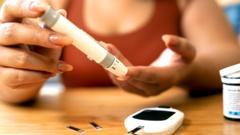
Alarming Rise: Young Women in Their 20s Facing Type 2 Diabetes Surge

A new report indicates that England is witnessing a “worrying increase” in type 2 diabetes cases among young women in their 20s. Dr. Shivani Misra, t

A new report indicates that England is witnessing a “worrying increase” in type 2 diabetes cases among young women in their 20s. Dr. Shivani Misra, the lead researcher, highlights a concerning trend where severe obesity is becoming more common at an earlier age, which is ramping up the risk of diabetes in these individuals. She points out that the age at which people are diagnosed with this disease is dropping, a phenomenon that has raised eyebrows across the healthcare community.

Traditionally, the conversation around rising diabetes rates has centered on ethnic minority groups, often labeled as high-risk. However, the latest data suggests that this issue is not confined to those communities alone; it appears to be a wider problem affecting many young women across England. Dr. Misra emphasizes the need to broaden the focus, noting that the increasing prevalence is alarming and cannot be ignored.

Moreover, Diabetes UK has called for improved follow-up care for expectant mothers diagnosed with gestational diabetes. As it turns out, this condition significantly raises the likelihood of developing diabetes after childbirth. This is not just a concern for the immediate future; it could have long-lasting implications for both the mothers and their children.

Adding to the complexity of the issue, some studies suggest that the risk of diabetes may also increase following illness with COVID-19, although this evidence is still being scrutinized and isn’t entirely conclusive. The surge in cases has prompted discussions around new treatment options, including the potential introduction of more weight-loss drugs as part of diabetes care.

So, what does this mean for the future? It raises a lot of questions about public health and the direction we’re heading in. The spotlight is on us to address this issue before it spirals further out of control.

Kaynak: Orijinal Haber

Revolutionary Drug Teplizumab Now Available on NHS to Delay Type 1 Diabetes Onset!

The NHS in England and Wales is making waves with the introduction of Teplizumab, the first-ever drug that can delay the onset of type 1 diabetes, a

The NHS in England and Wales is making waves with the introduction of Teplizumab, the first-ever drug that can delay the onset of type 1 diabetes, a game changer for many families. This immunotherapy treatment could provide individuals diagnosed with the condition an additional three years before they face the relentless daily grind of insulin dependency. Imagine, just three extra years of normalcy! How crucial is that for a child or a loved one? The NHS medicines body calls this decision a “genuinely exciting moment” for patients and their families.

Theo Sebastian-Jenkin, diagnosed with diabetes at a young age, faced severe fatigue and rapid weight loss. His mother, Vicky, reflects on the burden of managing the condition, saying, “It’s something which you can never switch off from.” Just picture a morning routine—preparing breakfast, only to remember that this disease is always lurking. Theo’s parents believe that any medicine capable of delaying the onset could transform the lives of countless other children each year. They’ve seen firsthand how urgent intervention can change lives, especially with family members already on insulin.

Teplizumab doesn’t just buy time; it offers hope. Vicky emphasizes, “The biggest gift Teplizumab gives us is time—just time being a normal kid, living a normal life.” I mean, who wouldn’t want their child to experience the joy of childhood without the constant worry of managing a chronic illness? It’s a leap forward, and for the first time, there’s a treatment that allows those diagnosed early on to savor extra precious moments before the full weight of managing type 1 diabetes hits.

As the conversation around this breakthrough treatment grows, Breakthrough T1D, which funded earlier research leading to the development of Teplizumab, is optimistic about the future. They’re exploring additional immunotherapy treatments with the hope that patients will eventually receive personalized combinations of these drugs, potentially eliminating the need for insulin therapy altogether. Now, that’s a future we can all look forward to!

However, it’s important to note that while this treatment is being rolled out, the guidance from NICE does not automatically extend to Northern Ireland, and in Scotland, the Scottish Medicines Consortium assesses which drugs the NHS should provide. The SMC is expected to offer advice on Teplizumab in early 2027. So, for those in those regions, there’s still a wait ahead.

Have you or someone you know been impacted by diabetes? The community is eager to hear your stories and experiences. As we navigate these developments, it raises the question: what else is on the horizon for diabetes treatments? The journey continues, and we’re here for it!

Kaynak: Orijinal Haber