UK Electric Vehicle Sales Targets Under Threat as Car Makers Push Back!

The UK government’s ambitious plans for electric vehicle sales are facing serious challenges as car manufacturers demand changes to the current regul

The UK government’s ambitious plans for electric vehicle sales are facing serious challenges as car manufacturers demand changes to the current regulations. Under the existing Zero Emission Vehicle (ZEV) mandate, the percentage of new car sales that must be electric is set to increase from 33% in 2026 to a whopping 80% by 2030, starting from just 22% in 2024. Sounds tough, right? Well, it seems like the pressure from automakers is prompting the government to reconsider these targets.

Transport Secretary Heidi Alexander recently expressed the need for a practical approach that supports British industry while still aiming for environmental goals. The outright ban on selling purely petrol or diesel vehicles after 2030 remains in place, a commitment made by Labour in their election manifesto. However, the current consultations suggest that car manufacturers could be allowed to sell more hybrid vehicles, which would significantly shift the sales landscape in the UK.

Despite electric cars accounting for a notable quarter of total sales in the UK during the first seven months of the year, as reported by the Society of Motor Manufacturers and Traders (SMMT), the cost of meeting these targets is becoming a major concern for manufacturers. The Climate Change Committee, which advises the government, insists that the transition to electric vehicles is one of the most effective methods to reduce carbon emissions over the next decade.

Lisa Brankin, managing director of Ford of Britain, welcomed the government’s willingness to engage with the car industry, highlighting the importance of collaboration. Meanwhile, Mike Hawes, chief of the SMMT, pointed out that the ZEV mandate was created under “vastly different conditions” and called for a review of the targets. This feedback is crucial, especially as the rising petrol prices, exacerbated by geopolitical tensions like the Iran war, have sparked increased interest in electric vehicles globally.

However, this potential easing of sales targets is not sitting well with electric vehicle advocates and climate groups. Tanya Sinclair, head of Electric Vehicles UK, criticized the government’s approach, fearing that reducing the sales targets could significantly hinder progress. According to the Energy & Climate Intelligence Unit, lowering the EV sales target to 50% would result in 2.6 million fewer electric cars on the roads by 2035. Gurjeet Grewal, chief of Octopus Electric Vehicles, echoed this sentiment, stating that weakening the mandate would be a step in the wrong direction.

The Green Alliance has also raised concerns, arguing that diluting the targets would undermine the UK’s efforts to combat climate change. As the political landscape evolves, there’s speculation about whether the Conservatives might scrap the petrol car ban altogether if they win the next election. Meanwhile, the EU is also reconsidering its plans to end new petrol and diesel car sales by 2035.

So, what’s next for the UK’s electric vehicle ambitions? As the debate unfolds, it remains to be seen how these changes will impact the environment and the automotive industry. Will the government stick to its guns, or will the pressure from car makers lead to a significant shift in policy?

Kaynak: Orijinal Haber
UK Electric Vehicle Sales Targets Under Threat: Car Makers Demand Changes!

Electric vehicle sales targets in the UK could face a significant cut as car manufacturers apply pressure on the government. Under the current Zero

Electric vehicle sales targets in the UK could face a significant cut as car manufacturers apply pressure on the government. Under the current Zero Emission Vehicle (ZEV) mandate, the requirement for new car sales to comprise electric vehicles is set to rise from 33% in 2026 to a whopping 80% by 2030. This initiative first kicked off at 22% back in 2024, aiming to phase out petrol and diesel cars entirely by 2030—a promise that Labour has firmly backed in its election manifesto. However, a new consultation suggests that manufacturers might be allowed to sell a higher percentage of hybrid cars, which could shift the goalposts and ease financial strain on car makers.

Despite electric vehicles making up 25% of total car sales in the UK in the initial seven months of this year, according to the Society of Motor Manufacturers and Traders (SMMT), the Climate Change Committee has emphasized that transitioning from diesel and petrol engines to electric vehicles is crucial for reducing carbon emissions over the next decade. Transport Secretary Heidi Alexander recently stated, “It’s practical and supports British industry.” However, her words come amidst rising concerns.

Lisa Brankin, managing director of Ford of Britain, expressed her approval of the government’s willingness to listen to the industry, a sentiment echoed by Mike Hawes, head of the SMMT. He pointed out that the ZEV mandate was crafted under “vastly different conditions” and called for a review of the situation. This has drawn sharp criticism from electric vehicle advocates and climate change groups. Tanya Sinclair, head of Electric Vehicles UK, slammed the government for considering any changes to the mandate.

Furthermore, a report from the Energy & Climate Intelligence Unit, a think tank, warned that slashing the EV sales target to 50% could result in 2.6 million fewer electric cars on UK roads by 2035. Gurjeet Grewal, chief of Octopus Electric Vehicles, also voiced concerns over the potential weakening of the mandate. The recent spike in petrol prices due to the ongoing Iran conflict has indeed fueled interest in electric cars globally, as consumers seek more economical options.

The Green Alliance has stated that diluting targets would undermine progress in the fight against climate change. As discussions continue, the political landscape remains charged, with suggestions that the Tories could scrap the petrol car ban if they win the next election. Meanwhile, the EU is also reconsidering its plans to end new petrol and diesel car sales by 2035.

So, what lies ahead for the UK’s ambitious electric vehicle targets? Will car makers get the leeway they seek, or will the government hold firm in its commitment to environmental goals? The future of the UK’s automotive landscape hangs in the balance, and the world is watching closely…

Kaynak: Orijinal Haber

Why Electric Cars Are Costlier to Insure: Here’s the Inside Scoop!

Electric vehicles (EVs) like the Dacia Spring are facing a serious issue when it comes to insurance costs. A recent inspection revealed that the hig

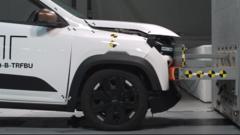
Electric vehicles (EVs) like the Dacia Spring are facing a serious issue when it comes to insurance costs. A recent inspection revealed that the high-voltage charging port in this EV was severely damaged, along with other crucial components. Senior test engineer Sean Hoad emphasizes the severity of the damage, noting that repairing it could run up to £4,000. With additional damages to consider, it’s highly likely that the insurer would choose to write off the car instead of attempting repairs. This situation is not just a technicality; it’s a growing concern that could deter potential buyers in the increasingly competitive EV market.

Steve Fowler, co-founder of the car review platform Carblah, insists that insurance costs are a pressing issue for many people considering an electric vehicle. The design of many EVs contributes significantly to these higher insurance premiums. Dan Harrowell, a principal advanced technologies engineer, explains that in an effort to reduce weight, manufacturers often integrate multiple components into single units. This can lead to complications when repairs are necessary.

Take, for instance, another vehicle in a nearby workshop. It’s a nearly-new model from a well-known manufacturer, recently brought in after a minor accident. Harrowell points out minor scratches on the battery’s protective casing. Luckily, the core battery cells are intact. However, due to the design, the entire assembly needs replacing to complete the repair. Given that the battery represents about 40% of the vehicle’s total value, this can make repairs exorbitantly expensive.

Making battery packs easier to fix could alleviate some of these issues. But it seems that insurers themselves are often resistant to these changes. The influx of Chinese EV manufacturers into the UK market has added another layer of complexity. Labor costs in China are much lower, which diminishes the need for manufacturers to streamline repair processes. In contrast, higher labor costs in Europe necessitate simpler repair methods.

According to Harrowell, while EVs generally have fewer components than traditional petrol or diesel vehicles, the components they do have tend to be costly. This results in longer wait times in workshops for repairs. Consequently, insurance companies are forced to provide loan cars for extended periods, further inflating repair costs and, inevitably, insurance premiums for everyone involved.

However, there is a silver lining. Thatcham Research indicates that significant progress has been made across the sector. The latest EV models’ average repair costs are now only 18% higher than their conventional counterparts. This improvement could lead to more affordable insurance premiums in the future and may even help drive electric car sales up. But will this trend continue? Only time will tell as the market evolves.

Kaynak: Orijinal Haber

Why Electric Cars are Costlier to Insure: Unpacking the Hidden Costs

The hidden costs of insuring electric vehicles (EVs) are coming to light, and it’s raising eyebrows among potential buyers. Take the Dacia Spring,

The hidden costs of insuring electric vehicles (EVs) are coming to light, and it’s raising eyebrows among potential buyers. Take the Dacia Spring, for instance, which recently faced significant damage. Senior test engineer Sean Hoad points out that the high-voltage charging port at the front is badly broken, along with other essential components. Repairing all of that? A whopping £4,000! That’s right, and with more damage to consider, it’s likely that an insurer wouldn’t bother fixing it at all. Instead, they’d probably just write it off.

Now, this isn’t just a one-off case. As competition heats up in the electric car market and consumer interest surges, the insurance costs are becoming a real concern for would-be buyers. Steve Fowler, co-founder of the car review site Carblah, insists that the design of many EVs plays a big role in these rising costs. “To save some weight, there’s a lot of integration of components,” says principal advanced technologies engineer Dan Harrowell. This means that when one part gets damaged, it can lead to extensive repairs.

In a workshop not too far away, a nearly-new model from a mainstream manufacturer sits on a ramp post-accident. It’s just some scratches on the protective casing of the battery, but guess what? The core of the battery, which houses the power cells, is intact. However, since the whole assembly comes as a single unit, it would need replacing in full for a proper fix. Given that the battery accounts for about 40% of the car’s total value, that replacement can get pricey.

Making batteries more repair-friendly could be a game-changer here, but sources from within the industry say insurers are a bit resistant to this idea. And then, let’s not forget the influx of Chinese EV manufacturers hitting the UK market, which brings its own set of challenges. Labor rates in China are way lower, so there’s little motivation to streamline repair processes. In Europe, it’s a whole different ballgame with labor costs much higher, necessitating simpler repair methods.

Thatcham Research’s Dan Harrowell notes that while EVs have fewer components than traditional petrol or diesel cars, the components they do have can be quite expensive. This means cars end up spending more time in the workshop. More workshop time translates to insurers providing loan cars for longer periods, which only drives up repair costs, and subsequently, insurance premiums for everyone.

The good news? The industry is working on making repairs to battery packs more feasible while adhering to safety protocols and insurer requirements. Progress has been made, and the latest EV models show average repair costs just 18% higher than their non-electric counterparts. This could lead to more affordable insurance premiums down the line and possibly give a boost to electric car sales.

But the question remains: how will the industry adapt to these challenges moving forward?

Kaynak: Orijinal Haber