
ECB Calls for Public Input on Future Euro Banknotes Design!

The European Central Bank (ECB) is rallying European citizens to weigh in on the designs of future euro banknotes, as the deadline for voting looms c

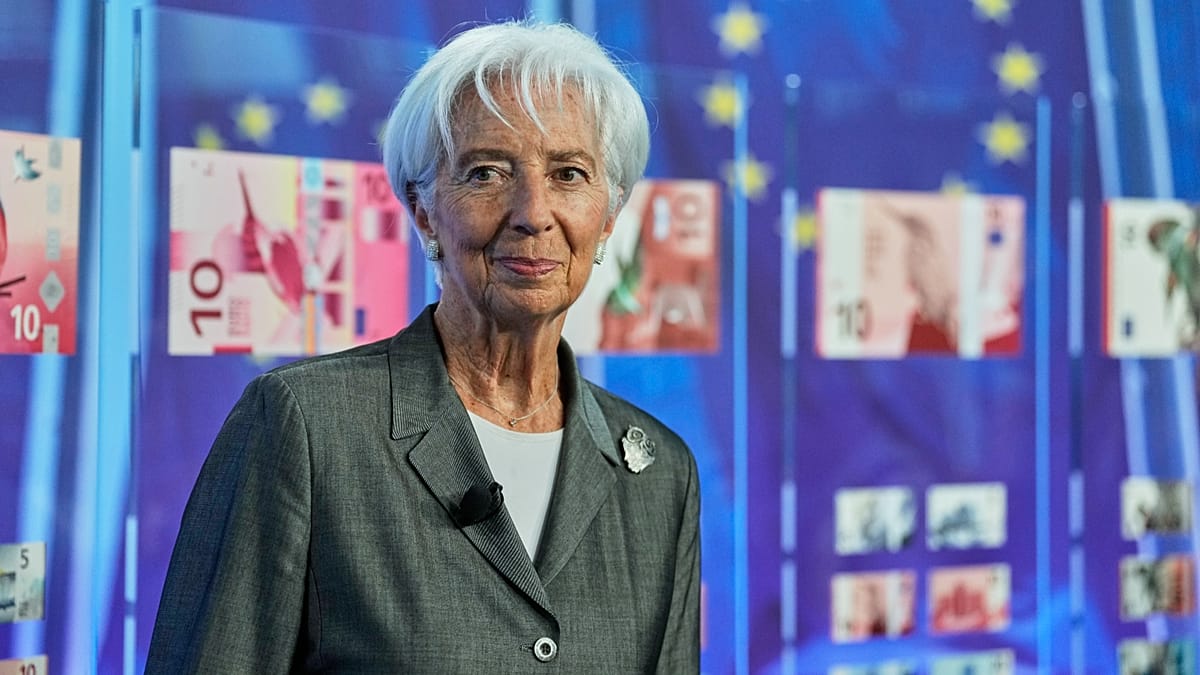
The European Central Bank (ECB) is rallying European citizens to weigh in on the designs of future euro banknotes, as the deadline for voting looms closer. With more than nine million votes already cast, the ECB is urging even more people to share their thoughts before the survey wraps up next Monday. This is a significant moment, as it marks the first time the ECB has launched a survey specifically asking the public to evaluate ten shortlisted designs.

These proposed designs reflect a notable shift from the current banknotes, showcasing themes such as “European culture” and “Rivers and birds,” which feature elements like famous composers and picturesque landscapes. The ECB is sending a clear message: cash is not going away anytime soon, and Europeans have a say in what their currency will look like. Piero Cipollone, a member of the ECB Executive Board, highlighted this during an event in Brussels earlier this week.

Now, while we’re all getting used to the idea of a cashless society, the ECB is reminding everyone that cash still has its place, especially during those pesky power or internet outages. You know how it is—when the lights go out, it’s cash that saves the day. And get this, there’s a push within the EU to strengthen cash’s status as legal tender through new legislation, called the Single Currency Package, which is still being debated in Brussels.

Moreover, a 2024 ECB survey reveals that a growing majority of Europeans believe it’s crucial to maintain cash as a payment option. It’s like they’re saying, “Hey, we don’t want to lose that!” On top of that, the ECB is also investing in the digital euro, which is set to complement cash and offer a high degree of privacy for both offline and online transactions. If all goes well, we could see the digital euro make its debut around 2029, contingent on the negotiations wrapping up in Brussels by the end of 2026.

However, the ECB’s new payment strategy also stems from a need for strategic autonomy. With the current geopolitical climate being what it is, the EU’s heavy reliance on American payment infrastructures like Visa and Mastercard—accounting for a whopping 61% of card payments in the eurozone—has raised eyebrows.

So, what’s the verdict? The ECB is looking to engage the public in a major way while also ensuring that cash remains a viable option in the future. With the clock ticking down on the survey, it’s time for Europeans to make their voices heard. Will the designs reflect the cultural richness of Europe? What will the new banknotes look like? Stay tuned, because this is just the beginning…

Kaynak: Orijinal Haber
Lagarde: Euro’nun Küresel Rezerv Para Olması İçin Sermaye Piyasaları Birliği Zorunlu!

The euro is not going to become a global reserve currency overnight, says Christine Lagarde, the president of the European Central Bank (ECB). The on

The euro is not going to become a global reserve currency overnight, says Christine Lagarde, the president of the European Central Bank (ECB). The ongoing confrontational approach to foreign policy and trade is ramping up the discussion around this issue. At the heart of the matter, three major challenges stand out: reducing dependence on US payment infrastructure, completing the EU reform agenda, and making the euro a competitive global currency. In a world where the dollar’s supremacy is increasingly questioned, these challenges are more pressing than ever.

During a recent event, Lagarde pointed out that US giants Visa and Mastercard control a staggering 61% of card payments within the eurozone, not to mention they handle nearly all cross-border transactions, according to ECB data from 2025. This heavy reliance on US-based payment systems has set off alarm bells across Europe. To tackle this issue head-on, the EU is pushing for the approval of a digital euro, a public digital currency that would be backed by the ECB and designed to work alongside traditional banknotes. The legislation is anticipated to be approved by the end of 2026, with a crucial vote scheduled in the European Parliament on Tuesday.

In tandem with the digital euro initiative, the ECB unveiled a new payments strategy at the end of March. This includes the establishment of two new network infrastructures known as “Pontes” and “Appias.” The aim? To anchor central bank money, safeguarded by the institution, within this evolving, technology-driven payments landscape. Lagarde highlighted that developing such infrastructures is a pressing priority, alongside the digital euro’s approval and the reform of European capital markets.

Moreover, the ECB’s international role is set to expand with the creation of more euro-denominated stablecoins, according to a European Commission document detailing the euro’s international role, which was reviewed by Euronews. The stakes are high here, as the euro’s ability to stand toe-to-toe with the dollar is under scrutiny.

Yahu, bu durum gerçekten ilginç değil mi? Avrupa, kendi para biriminin küresel alanda daha fazla etkili olmasını istiyor, ama önünde büyük engeller var. Bakalım, bu dijital euro ve diğer reformlar ne zaman gerçeklik kazanacak? Gelişmeleri merakla takip ediyoruz…

Kaynak: Orijinal Haber