
Jared Kushner, the Middle East envoy, has taken a significant step by engaging in rare discussions with Hamas, aiming to push forward the US-backed Gaza peace plan. This surprising meeting marks a pivotal moment, as Kushner, who is also Trump’s son-in-law, conversed with a delegation led by Khalil al-Hayya, a key figure in Hamas’s Board of Peace. According to a Palestinian official who spoke with the BBC, they reportedly reached an agreement centered around a “complete disarmament” plan, consisting of 15 points. This ambitious plan calls not only for the withdrawal of Israeli troops but also outlines a vision for rebuilding Gaza under a new civilian Palestinian administration.
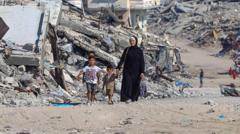
Just to put things into perspective, the UN estimates that approximately 1.9 million people, or 90% of Gaza’s population, are currently facing dire conditions. Many are wondering, how did we arrive at this point? On Sunday, eight Muslim countries issued a statement condemning Israel’s engagement with Hamas, highlighting the gravity of the ongoing conflict. This meeting is said to be the first of its kind at this level since last year’s violence, where discussions around disarmament and humanitarian efforts were put on the table.
Kushner’s busy schedule didn’t stop there. He also met with Egyptian President Abdel Fattah al-Sisi while in Egypt, further emphasizing the importance of regional cooperation in resolving the Gaza crisis. Reports from Israeli media suggest that Kushner, alongside envoys Mladenov and Blair, is set to meet with Netanyahu on Monday to continue pushing forward the Trump administration’s peace initiative. However, Netanyahu has been vocal about his rejection of the US plan, which raises questions about the feasibility of these talks.
In the backdrop of all this, Hamas has appointed Khalil al-Hayya as its new overall leader, a move that could potentially shift the dynamics in the ongoing negotiations. Many are left speculating: will this new leadership foster a more collaborative environment for peace talks, or will it complicate matters further? The situation remains fluid, and as the health ministry in Gaza indicates, the statistics they provide are considered reliable by the UN. With the eyes of the world on this developing story, the question lingers—what will happen next in this multifaceted conflict?
Kaynak: Orijinal Haber