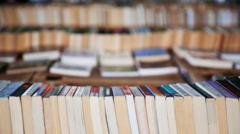
Something mysterious is happening in the world of secondhand books. Over the last few months, independent booksellers have been witnessing a strange pattern of purchases, with many of their novels being shipped off to distant warehouses. It’s quite the shocker! For instance, Stuart Manley from Barter Books in Northumberland usually sells about two to three thousand books in a week. But recently, he received a single bulk order from a Canadian company that matched what he would typically expect to sell in seven days! Can you believe that? Mr. Manley isn’t alone in this bizarre trend. Booksellers from all corners of the globe have reported similarly unusual mega orders. It’s clear that something is stirring in the literary world, and it’s got everyone talking.
Now, why is this happening? Well, some insiders pointed out that the sudden surge in demand for these books is linked to AI companies looking to source material for training their chatbots. A spokesperson from one of these firms mentioned that sourcing books for training purposes is a well-established practice across the AI industry. However, there’s a dark side to this story. The prospect of these books being pulped is causing quite a bit of unease among sellers and readers alike. David Tobin, who runs Walden Books in north London, shared his thoughts, saying, “In some ways, these books have been sold for many years, but it would be sad if they are ultimately destroyed.” That’s a real gut punch, isn’t it?
Adding to the mystery is something called Project Panama, which has been whispered about in the industry. Documents revealed that the aim of this project is to “destructively scan all the books in the world’s spine so all the pages can be scanned rapidly – and the remains recycled.” Now, that raises a lot of eyebrows! Manley from Barter Books expressed his concerns, noting that he’s totally in the dark about whether his books are being purchased for this project or similar initiatives by other AI firms. He sighed, saying it all feels like “no rhyme or reason.” So, what’s the deal here?
In the UK, there’s a crucial point to consider: all these acts of copying – creating the training library and conducting the training – require the permission of the copyright owner. A recent academic text that was published in only 100 copies, with 75 already sitting in libraries, may be rare on the market; it’s perhaps not such a great loss if one copy is destroyed. However, if one of those rare copies were to be bought for destruction, that would be a significant issue. Some folks are starting to have ethical concerns about where these books are ending up and if they’re destined for the shredder, which is a valid point, don’t you think?
As this situation unfolds, the literary community is left wondering about the fate of these beloved books. Will they be preserved or turned into mere scraps of paper? The development of AI and its impact on literature is a topic that’s sure to spark discussions for years to come. What’s next for our beloved secondhand books? We’ll be keeping a close eye on this one, that’s for sure…
Kaynak: Orijinal Haber