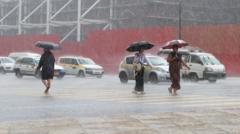
UK’s Sweltering Heatwaves: A Shocking Death Toll Revealed

More than 2,700 people may have died from heat-related causes during the UK’s exceptional heatwaves in May and June, according to estimates. This

More than 2,700 people may have died from heat-related causes during the UK’s exceptional heatwaves in May and June, according to estimates. This alarming figure comes from a collaboration between experts at Imperial College London, the Met Office, and the London School of Hygiene and Tropical Medicine. They based their findings on the phenomenon known as heat domes, which act as silent killers, making it incredibly tough for our bodies to cool down effectively through sweating. The study analyzed death records from previous years to model or estimate how many fatalities could have occurred during these hot months in 2026. However, these estimates come with a caveat; they make certain assumptions about how severely individuals were impacted by the heat, meaning the actual numbers might differ significantly.

Dr. Clair Barnes, an expert in extreme weather and climate change at Imperial College London, weighed in on the findings, expressing a mixture of concern and cautious optimism. “If this really is a heatwave and our estimates turn out to be high, I will be thrilled. But these are big numbers, and we don’t want to see this many people dying,” she stated. It’s a stark reminder that heatwaves can have deadly consequences, and the data reflects that concern.

Interestingly, experts had anticipated 2025 to be a particularly grim year for heat-related deaths, projecting around 3,039 fatalities. Yet, the actual death toll was surprisingly lower, roughly half of what was predicted. This discrepancy is attributed to effective heat health interventions and preventative actions taken across the NHS and care systems, which likely reduced the overall impact, the UK Health Security Agency (UKHSA) noted.

Looking further down the line, some researchers are raising alarms about the future. On current trajectories, they believe heat-related deaths in certain areas of northern Europe could soon rival those caused by cold weather, potentially within just a couple of decades. This scenario hinges heavily on global efforts to reduce climate emissions and how well nations adapt to these rising temperatures. As greenhouse gas emissions continue to rise, heatwaves are expected to become more frequent, intense, and prolonged.

So, what does all this mean for us? The reality is, we need to pay attention. Heatwaves aren’t just a passing inconvenience; they can be deadly. As we watch the climate change unfold, the question remains: how prepared are we for the heat that lies ahead? Will society rise to the challenge, or are we heading for a future where extreme weather becomes the norm?

Kaynak: Orijinal Haber

Why This Heatwave Is Hitting Harder Than Last Time

This week, England and Wales are bracing for a scorching second heatwave of the year, with temperatures soaring into the mid- to high 30s Celsius. It

This week, England and Wales are bracing for a scorching second heatwave of the year, with temperatures soaring into the mid- to high 30s Celsius. It’s déjà vu, right? Just like in May, but hold on tight, because this time, it feels like the furnace is cranked up even higher. We’re talking about maximum forecasts reaching 35°C, but it might feel like a blistering 41°C! That’s no small potatoes…

Now, why does this heatwave feel worse than the last one? Well, it’s not just about the numbers. This isn’t your ordinary heatwave; it’s a heat dome-driven inferno, wrapping its sweltering arms around most of southern UK. Basically, it’s like being trapped in a sauna, but without the option to step outside for fresh air. The humidity is off the charts, making everything feel a tad more unbearable. Imagine those sweaty nights where you can’t even catch a break – some areas won’t dip below 20°C overnight, creating what we call “tropical nights.” Yani, bu sadece bir sıcaklık dalgası değil, bu bir sıcaklık cehennemi!

And it’s not just discomfort we’re talking about. The humidity is likely to have serious health impacts, especially for those vulnerable groups. As Deoras pointed out, unless we pull our act together and drastically cut greenhouse gas emissions, the global warming trend isn’t stopping anytime soon. In fact, it’s going to ramp up… So, yeah, we’re in for a bumpy ride with climate change throwing these heatwaves our way.

Now, let’s face it: it’s hard to keep your cool when the heat is relentless. So, how can you make your home a bit more bearable? Keeping curtains drawn, fans running, and staying hydrated are just a few tips. And let’s not forget about the kids; parents might be tempted to keep them off school or even refuse to work during such sweltering conditions. Can you blame them?

So, here we are, folks. This heatwave is not just another blip on the radar; it’s a reality check. The climate is changing, and it’s happening right before our eyes. Will we be ready for what comes next? That’s the million-dollar question.

Kaynak: Orijinal Haber

UK’s Heatwave Records Broken: How Hot Will Summers Get?

Much of the UK is currently battling a record-breaking heatwave, with temperatures soaring to potentially 37°C or even higher in parts of southern

Much of the UK is currently battling a record-breaking heatwave, with temperatures soaring to potentially 37°C or even higher in parts of southern England. That’s right, folks! This would not only obliterate the previous June high but also follows on the heels of an unprecedented heatwave in May. And guess what? Scientists are warning that things could get even hotter in the coming years. They’ve called these record temperatures “extraordinary.” It’s not just about breaking records; it’s about how dramatically they are being shattered.

Before 1990, the UK had never even seen 37°C. Now, the hottest recorded temperature stands at a blistering 40.3°C, set in July 2022. If global warming keeps up at this pace, we’re looking at mid-forties as a real possibility for summers in the UK by 2050, according to projections from the Met Office. Sure, not every year will be hotter than the last, but the second half of this century could bring temperatures that we can hardly even fathom right now.

But that’s not all, my friends. Higher temperatures, courtesy of climate change, are also drying out the soil. With less moisture in the ground, less heat energy is utilized for evaporation. This means more energy is available to warm the air, making the hot conditions even worse. Some scientists are even suggesting that climate change could be causing high-pressure systems to get “stuck,” creating what’s known as a heat dome. You see, climate change is loading the atmosphere with extra heat, making extreme temperatures far more intense than they would have been in the past, as per independent advisers from the Climate Change Committee (CCC).

In May, these experts criticized the “woeful” state of the UK’s climate preparedness, highlighting that the UK was built for a climate that no longer exists and will only drift further away in the coming years. When temperatures rise this sharply and for this long, the effects ripple across everything we’ve built—our homes, offices, railways, roads, and even our health.

In other parts of Europe, when red heat alerts are issued, working conditions and school days change dramatically—heavy manual labor is banned around midday, and children are sent home earlier from school. UK Floods Minister Emma Hardy has previously told BBC News that preparing for this changing climate is a commitment the government is really focused on. Have you been affected by school closures? What questions do you have about this relentless heat?

As we look into the future, it’s clear that climate change exacerbates not only heatwaves but also droughts, wildfires, and floods. And if we think back to the infamous 1976-style heatwave, today’s heat would likely be even more extreme. So, keep your eyes peeled, folks! The summer of the future could be hotter than we ever imagined.

Kaynak: Orijinal Haber

El Niño Resmen Başladı: Hava Olayları ve Ekonomiler Üzerinde Tehditler Var!

El Niño, Pasifik Okyanusu’ndaki doğal hava modelinin resmi olarak başladığı bildirildi. ABD Ulusal Okyanus ve Atmosfer İdaresi (NOAA), tropik

El Niño, Pasifik Okyanusu’ndaki doğal hava modelinin resmi olarak başladığı bildirildi. ABD Ulusal Okyanus ve Atmosfer İdaresi (NOAA), tropik Pasifik’te El Niño koşullarının artık etkili olduğunu ve deniz yüzeyi sıcaklıklarının son aylarda keskin bir şekilde yükseldiğini duyurdu. Bilim insanlarının tahminlerine göre, bu durum “süper” El Niño’ya dönüşebilir ve kaydedilen en güçlü olaylar arasına girebilir. Halihazırda insan kaynaklı sıcaklık artışlarının üzerine gelen bu gelişme, muhtemelen 2027’de başka bir rekor sıcak yıla yol açacak ve hava durumu, gıda tedariki ve ekonomiler üzerinde uzun vadeli bozulmalara neden olacak.

NOAA’nın bu açıklaması pek de sürpriz olmadı çünkü tahminciler, bu ısınma evresini bekliyorlardı. Zira bu, daha önceki daha soğuk La Niña dönemi sona erdikten sonra gerçekleşiyor. Artık tropik Pasifik’teki deniz yüzeyi sıcaklıkları, El Niño olayını tanımlamak için ABD’li bilim insanlarının kullandığı 0.5°C üzerindeki ortalama eşiğini geçmiş durumda. NOAA, “Son bir ayda El Niño koşulları gelişti; bu da, merkezi ve doğu ekvatoral Pasifik Okyanusu’nda ortalamanın üzerinde deniz yüzeyi sıcaklıklarıyla gösterilmiştir,” dedi. Ayrıca, NOAA, ekvatoral Pasifik üzerindeki rüzgarların değişmeye başladığını gözlemledi; bu da atmosferin artık sıcak okyanusa yanıt verdiği anlamına geliyor.

Araştırmacıları şaşırtan bir diğer detay ise, bilgisayar modellerinin El Niño’nun gücü hakkında ne kadar güvenilir olduğu. El Niño’nun yoğunluğu, deniz yüzeyi sıcaklıklarının ortalamanın ne kadar üzerine çıktığına göre ölçülüyor. Güçlü bir olay, ortalamanın 1.5°C üzerinde; çok güçlü bir olay ise 2°C üzeri olarak tanımlanıyor. NOAA’nın Haziran tahminine göre, “Kasım-Ocak döneminde çok güçlü bir El Niño olma olasılığı %63,” dedi. Bu, 1950’den beri tarihsel kayıtlara geçen en büyük El Niño olayları arasında yer alabilir. 1982/83, 1997/98 ve 2015/16 yıllarında yaşanan en güçlü olaylar da bu tarihlerde meydana gelmişti.

Son zamanlardaki ABD ve Avrupa (ECMWF) modelleri daha da ileri gidiyor ve tropik Pasifik’te sıcaklıkların yıl sonuna kadar ortalamanın 3°C üzerinde olabileceğini gösteriyor. Ancak, ABD ajansı, güç tahminlerinin ne anlama geldiği konusunda dikkatli olunması gerektiğini vurguladı. “Çok güçlü El Niño olayları her yerde beklenen etkilere yol açmaz, ama daha güçlü olaylar beklenen sonuçlara yönelik ihtimalleri daha belirgin bir şekilde değiştirebilir,” dedi. Daha büyük endişe, tüm bunların zaten çok daha sıcak bir gezegende gerçekleşiyor olması. “Etkileri konusunda endişelenmemiz gerekiyor,” diyor UK Met Office’ten Prof. Adam Scaife. “Mevcut El Niño, global ısınmanın üzerine oturmuş durumda. Bu da, etkilenen bölgelerdeki gerçek sıcaklıkların eşi benzeri görülmemiş seviyelere ulaşabileceği anlamına geliyor.”

Genellikle, çok güçlü bir El Niño, global hava sıcaklıklarını yaklaşık 0.2°C artırır ve okyanusta depolanan ısıyı atmosfere salarak etkisini gösterir. Ancak bu ekstra ısı, zaten rekorlar kıran bir dünyada gerçekleşiyor. 2024, kaydedilen en sıcak yıl olarak, özellikle güçlü olmayan bir El Niño ile desteklendi. Ve La Niña’nın soğutucu etkisine rağmen, 2025 yine de kayıtlara geçen üçüncü en sıcak yıl oldu ve 2016’daki süper El Niño yılından bile daha sıcak geçti. “Yıl sonuna doğru ve 2027’de, globalde çok yüksek sıcaklıklar göreceğiz,” diyor Prof. Scaife. “2027’de, mevcut global ısınmanın üzerine ek sıcaklıklar eklenebilir ve bu kolayca, 19. yüzyıl seviyelerinin 1.5°C üzerinde başka bir yıla yol açabilir.”

El Niño’nun etkileri ise tropik bölgelerde en keskin şekilde hissediliyor. Kuzey Peru ve güney Ekvador’da sel olayları yaygın, hatta Doğu Afrika, Orta Asya ve güney Amerika’nın bazı bölgelerine kadar ulaşabiliyor. Aynı zamanda, Avustralya, Endonezya ve kuzey Güney Amerika’nın büyük bir kısmında kuraklık ve orman yangını riski artıyor ki bu da tarımı ve global gıda stoklarını vuruyor. El Niño, Atlantik kasırgalarını da genellikle baskılar ve tahminciler, bu yılın ortalama üzerinde daha sessiz bir sezon bekliyorlar. “Bu kulağa iyi bir şey gibi gelse de, Orta Amerika için bu çok daha az yağış ve muhtemel kuraklık koşullarına yol açıyor,” diyor Reading Üniversitesi’nden iklim riski ve dayanıklılık profesörü Liz Stephens.

Bakalım El Niño’nun etkileri nereye kadar gidecek? Bu durum, hem gelişmiş hem de gelişmekte olan bölgelerde gıda güvenliğini tehdit eden bir durum yaratabilir. Herkesin gözü bu noktada. Japonya Meteoroloji Ajansı da NOAA ile benzer bir görüş bildiriyor ve El Niño koşullarının mevcut olduğunu değerlendiriyor. Sonbahara kadar süreceği neredeyse kesin. Ancak, her ajans bu durumu ilan etmeye hazır değil. Avustralya Meteoroloji Bürosu, deniz yüzeyi sıcaklıklarının ortalamanın 0.8°C üzerinde olmasını şart koşan daha katı bir kriter kullanıyor. Bu hafta, tropik Pasifik’in “El Niño koşullarına yaklaşmakta olduğunu” belirttiler, merkezi Pasifik sıcaklıkları zaten bu eşiği aşmış durumda ama olayı resmi olarak başlatma konusunda temkinli davrandılar. El Niño her iki ile yedi yılda bir meydana geliyor ve genellikle yaklaşık bir yıl sürüyor. İklim değişikliğinin bu olayları daha güçlü veya daha sık hale getirip getirmediğine dair kesin bir kanıt yok – ama ısınan bir dünya, bu olayların etkilerini artırabilir.

Kaynak: Orijinal Haber