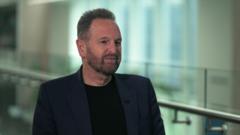
Rene Haas, the CEO of Arm Holdings, a leading chip designer based in Cambridge, has sparked a wave of optimism in the medical world by claiming that artificial intelligence (AI) could potentially discover a cure for cancer during our lifetime. This bold assertion comes as he discusses the transformative power of AI in developing new cancer treatments, emphasizing that current DNA modeling challenges are “too complex” for humans alone. However, Haas remains confident that with advancements in technology, computers will soon be able to tackle these intricate problems.
“Modelling a cell, modelling a human, modelling how a DNA marker is impacted by cancer—it’s a tough nut to crack,” he remarked during an interview on the BBC’s Big Boss Interview podcast. But here’s the kicker: as we input more data into these AI systems and they become increasingly sophisticated, Haas believes they will have the capability to crack the code. This could drastically shorten the timeline for developing effective treatments—years could be cut off the process, which is pretty substantial, if you ask me.
In labs like Haas’s, AI is being trained with real patient data, which brings a new level of personalization and accuracy in treatment development. Imagine AI sifting through mountains of data, learning from each patient sample to predict outcomes more effectively. This is where AI can really shine and deliver tangible benefits to patients in a big way.
But it doesn’t stop at healthcare. Haas highlighted the versatility of AI, saying these systems can learn and adapt to new tasks. Take service robots, for instance. A robot programmed to make a bed could easily learn to arrange towels or even clean trash bins. That’s the kind of flexibility we’re talking about here. Yet, some folks are a bit overzealous in predicting job losses due to machines; the reality is, many roles will evolve rather than disappear entirely.
It’s worth noting that Arm’s technology is already powering half of the AI data centers worldwide. This has led to a significant shift in their business, especially with the sale of their own microchips. Recently, Facebook’s parent company Meta reached out to Arm, requesting the development of the Arm AGI chip, and demand has reportedly been “off the charts.” Haas acknowledges the current supply constraints, stating, “We absolutely need more chip factories before we can put a data center in space.”
Despite the company’s sale to Japanese investors in 2016, Arm remains a critical player in the UK technology landscape, boasting a significant workforce in Cambridge. Haas insists that they are “by far and away the largest employer in Cambridge,” maintaining a strong local presence.
As the conversation around AI continues to evolve, there are growing concerns regarding its implications. The chief scientist at OpenAI has warned that no one is adequately prepared for the consequences of AI’s rapid advancements. Meanwhile, leading tech firms are sounding alarms that time is running out for effective cybersecurity measures.
So, what does this all mean for the future of AI and healthcare? Will we really see a cancer cure made possible through these technological marvels? Only time will tell, but the excitement in the air is undeniable…
Kaynak: Orijinal Haber