Kazakhstan’s Innovative Solution: Oil Field Gas Fuels Crypto Mining Revolution

Kazakhstan is taking a bold step in the world of cryptocurrency mining by connecting miners to oil fields that flare excess associated gas. This gas,

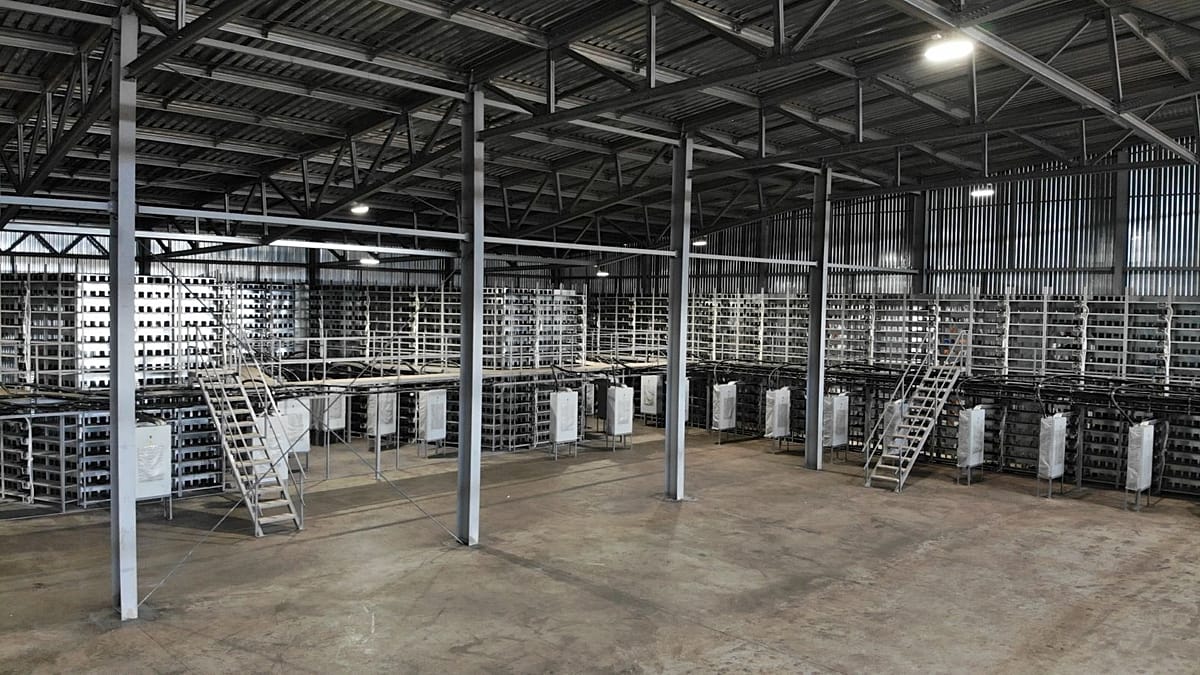
Kazakhstan is taking a bold step in the world of cryptocurrency mining by connecting miners to oil fields that flare excess associated gas. This gas, released during oil extraction, is often burned off due to the high costs of transportation and storage. Instead of letting this valuable resource go to waste, the Kazakh government aims to turn it into a stable and cheap energy source for crypto miners.

Now, let’s break this down. The crypto mining process, despite being called “mining”, is nothing like digging for gold or coal. No, this is about using specialized computers that solve complex equations for digital coins, and it consumes a massive amount of electricity. Kazakhstan has previously faced challenges with its electricity supply, having introduced an auction system where mining companies could only purchase surplus electricity. However, in reality, there was often little to no surplus available, which pushed many miners either out of the country or into the grey market.

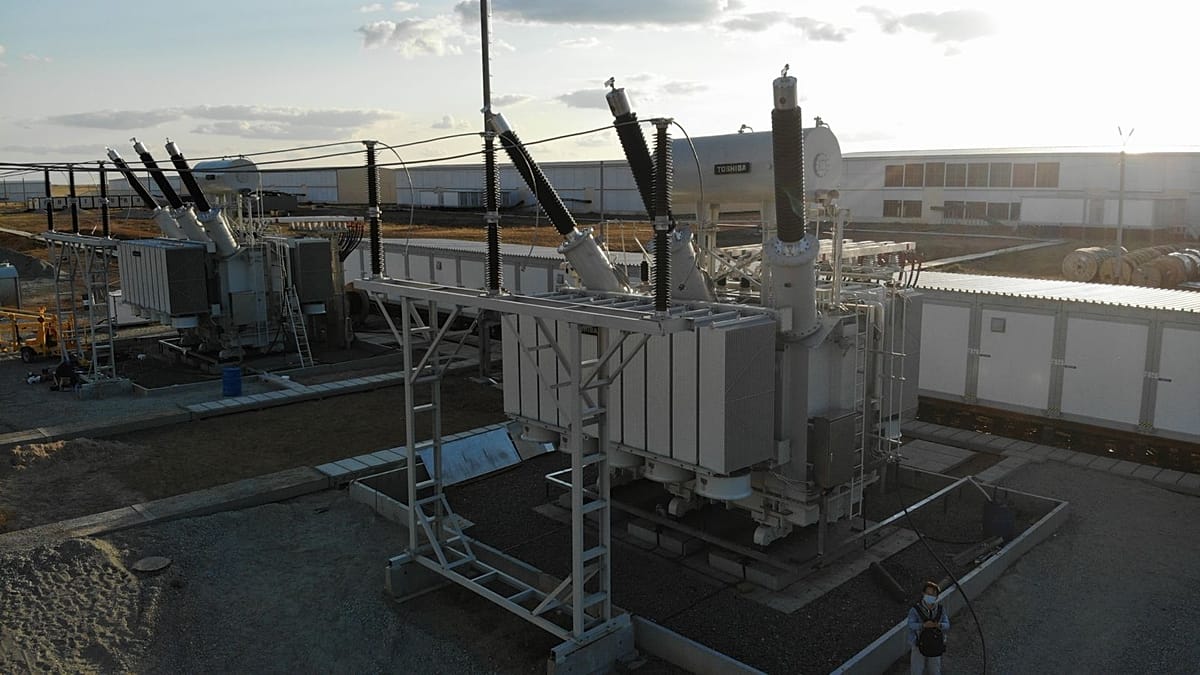
But here’s where it gets interesting! The government’s latest initiative connects these miners directly to the oil fields that burn off excess gas. This gas is rich in methane and poses environmental risks when flared, as it contributes to greenhouse gas emissions. By using this gas to generate electricity, miners can significantly lower their operational costs without straining the national power grid. Batyr Bauyrzhan, the Technical Director of WES LLP, a key player in this initiative, noted that with a personal power plant, miners can lock in electricity costs for years, freeing them from fluctuating grid tariffs.

To give you a clearer picture, let’s take an oil field that produces about 100,000 cubic meters of gas daily. This amount can generate approximately 13 to 15 megawatts of electricity, which is enough to power a full-scale industrial mining farm. Daniyar Mubarakov, head of the Blockchain and Digital Mining Association, emphasizes that large-scale mining operations are particularly interested in oil fields that can provide at least 5 megawatts of energy. This is crucial for covering infrastructure and equipment maintenance costs.

Interestingly, while miners are ready to invest in buying and setting up their own power generation equipment, building a power station from scratch is often economically unattractive. That’s why both parties prefer to collaborate with specialized engineering firms. Mubarakov pointed out that establishing a new power station can cost between €1.7 million and €2.2 million per megawatt and take over three years to complete.

Currently, around 40 to 60 oil fields in Kazakhstan are flaring associated gas. Gizzat Baitursynov, the Kazakh Vice Minister of AI and Digital Development, indicated that both the energy and digital development ministries are working on a legal framework to clarify regulations for miners. This arrangement is not just beneficial for the miners but also for Kazakhstan, as it leads to increased oil production while addressing environmental concerns.

So, what does the future hold for this collaboration between crypto miners and oil fields? Will this innovative approach set a new standard in the energy and cryptocurrency sectors? We’ll have to wait and see how this unfolds…

Kaynak: Orijinal Haber

Record £36m Donation to Reform UK by Crypto Billionaire Sparks Controversy

Reform UK has received a staggering £36 million donation from a British cryptocurrency billionaire, marking a historic moment for political financin

Reform UK has received a staggering £36 million donation from a British cryptocurrency billionaire, marking a historic moment for political financing in the UK. This hefty sum comes from Ben Delo, who, in a piece for the Daily Telegraph, expressed his desire for a “fair fight and a level playing field” in British politics. Delo’s move is seen as a significant boost for Reform UK, a party that has been under scrutiny for its fundraising methods and is currently facing a police investigation concerning allegations of breaking foreign funding laws.

The donation has stirred quite the pot, especially considering the party’s leader, Nigel Farage, is already in hot water. Farage, who has made headlines for various scandals, is now being investigated by the parliamentary standards commissioner over a £5 million cash gift he received from Thailand-based cryptocurrency investor Christopher Harborne. The timing of this donation is critical, as it comes just as the party gears up for the upcoming 2024 elections. Farage insists he was under no obligation to declare the funds, labeling them as “purely private.”

Meanwhile, Reform UK’s deputy leader, Richard Tice, has also been embroiled in controversy, having received a £1 million donation from Fiona Cottrell just last June. This has fueled a fiery debate about donations from Britons residing abroad, with Reform and its supporters accusing Labour of attempting to obstruct their fundraising efforts. Labour Party representatives have not held back, stating that Farage is “still up to his neck in scandal” and that the questions surrounding his conduct are only growing more numerous.

As the drama unfolds, it’s evident that this substantial donation is more than just financial support for Reform UK; it has ignited a political firestorm. The implications of such a large sum being funneled into a political party raise eyebrows and questions about the integrity of the electoral process. Delo’s intentions, while framed as a desire for fairness, are now being scrutinized, with critics suggesting that such immense financial influence could undermine the very democracy that many claim to protect.

In a world where political donations are frequently called into question, this record-breaking donation will undoubtedly have repercussions that extend beyond the immediate boost it provides to Reform UK. The party’s future and the broader implications for UK politics remain to be seen. Will this donation pave the way for a new kind of political influence, or will it lead to further scrutiny and backlash?

Kaynak: Orijinal Haber

Kazakhstan’s Bold Move: Cryptocurrency Amnesty to Attract Billions Back Home!

Kazakhstan is making waves in the crypto world by offering an enticing tax break for private investors. This decision allows them to enjoy a three-ye

Kazakhstan is making waves in the crypto world by offering an enticing tax break for private investors. This decision allows them to enjoy a three-year tax exemption on personal income from digital asset transactions, as long as their assets aren’t tied to fraud, money laundering, or unlicensed crypto services. This move is a clear indication that Kazakhstan is positioning itself as a welcoming haven for cryptocurrency miners and investors alike. The country, which has become a key player in the world economy, is now aiming to bring billions of dollars in digital assets back to its shores.

The recent decree has opened doors wider for miners, who rely on powerful computers to solve intricate mathematical problems that validate and add transactions to a blockchain. However, it hasn’t always been smooth sailing. Authorities have previously tightened regulations on electricity consumption and the legal status of digital assets, which led to the establishment of the Astana International Financial Centre (AIFC) as a regulatory hub for digital asset companies. Interestingly, a staggering one million crypto wallets are owned by Kazakh citizens, which is nearly four times the number of users registered on local authorized exchanges, a figure that reached 256,900 in March.

Experts suggest that the trend of attracting crypto owners back to their homeland through incentives and simplified legal frameworks is gaining traction globally. Countries like the UAE, Hong Kong, and Singapore have implemented similar tax measures, coupled with clear licensing and access to banking services, which have resulted in increased revenue.

Addressing the energy question is also crucial for Kazakhstan, especially as it looks to explore options beyond its main national grid. Nurkhat Kushimov, General Manager of Bice Kazakhstan, emphasized that the tax incentive is the cornerstone of this decree. “This is a strong incentive for users to choose regulated jurisdictions and platforms operating within them,” Kushimov shared with Euronews. Predictability in regulations, he noted, is more valuable than the benefits themselves for licensed participants. The government is even considering canceling tax audits for private investors covering the previous three years, a move that could further ease concerns.

However, experts like Kenzhebayev warn that tax breaks alone might not be enough to entice users to licensed Kazakh platforms. What really counts, he argues, is reliable access to banking, transparent procedures for converting crypto into local currency, and a regulatory environment that ensures the safety of client assets without putting licensed operators at a disadvantage.

So, will Kazakhstan’s bold move attract a wave of crypto investors back home? Only time will tell as the crypto landscape continues to evolve…

Kaynak: Orijinal Haber