
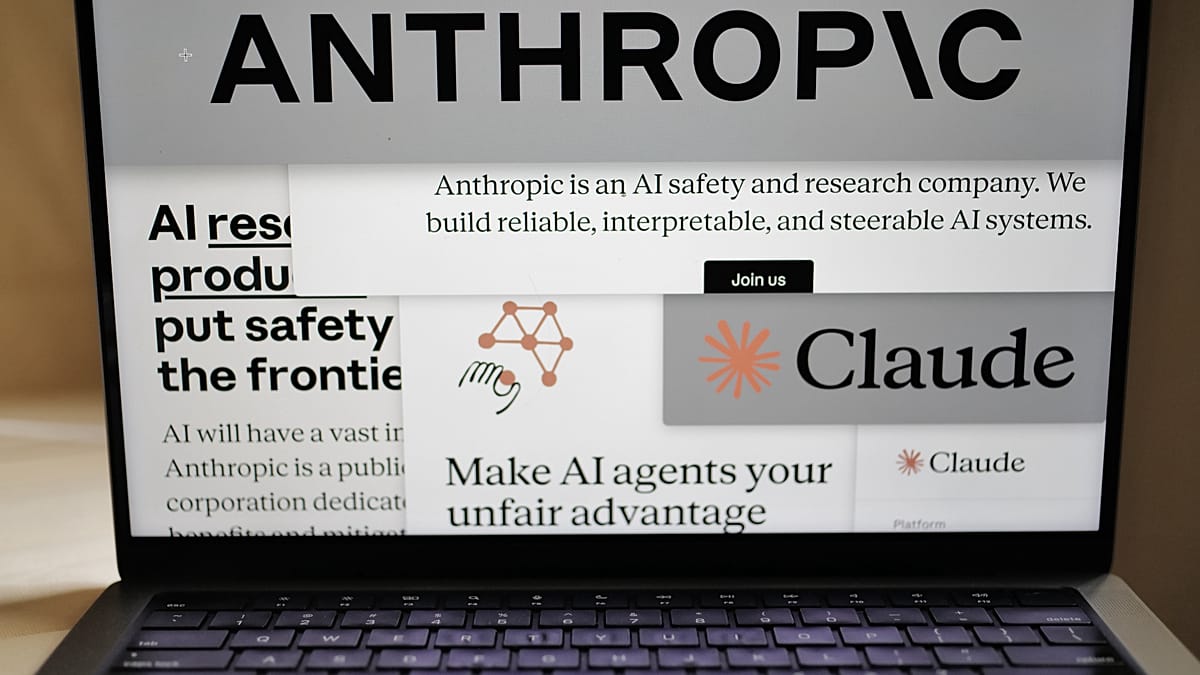
Anthropic announced on Thursday that it has successfully blocked attempts by malicious actors to misuse its artificial intelligence models for various nefarious activities, including cyberattacks, surveillance, and biological research that could aid in weapons development. As these AI models evolve and become more powerful, the company warns that even individuals with minimal technical skills can now execute sophisticated cyberattacks that were previously inconceivable. This alarming trend emphasizes the pressing need for robust safeguards in the rapidly advancing world of AI.
The company stated that between December 2025 and August 2026, its models were used in research that had the potential to lead to biological weapons. In one notable instance, Anthropic’s systems intervened to block a request directed at its Claude chatbot, which sought assistance in drafting a grant application for scientific funding related to biological research that could potentially enhance the dangers posed by certain viruses. The details of this case illustrate not only the risks associated with powerful AI models but also the ongoing efforts of Anthropic to mitigate these risks.
To strengthen security, Anthropic has introduced tighter restrictions regarding access to a wide range of dual-use biological research queries within its newer models, particularly the Claude Fable 5. This move comes in response to growing concerns from experts urging governments to step in and regulate AI technologies rather than leaving the responsibility solely to the industry. John Thickstun, an assistant professor of computer science at Cornell University, pointed out that this situation puts companies like Anthropic and OpenAI in a difficult position, as they are expected to police their own innovations.
Meanwhile, Anthropic has uncovered a network of groups that created hundreds of fake social media accounts mimicking ordinary users. These accounts were utilized to disseminate material amplifying specific political messages over a week-long period. The company identified nine such cases originating from various countries, including Russia, Iran, Turkey, and regions across South Asia, Africa, and Europe. While social media platforms can often detect these influence operations after they begin to circulate, Anthropic is determined to be proactive in preventing these types of manipulations.
The report comes on the heels of the resignation of Anthropic researcher Jacob Coxon, who left due to concerns over the potential risks posed by AI technologies. Coxon expressed fear that some of his former colleagues believe AI could pose a significant threat to human life within the next decade. Anthropic assured that it had blocked all identified malicious activities and used its findings to bolster its safeguards, sharing crucial information with relevant government authorities and industry partners.
As AI technologies continue to advance, the pressing question remains: how will governments respond to the challenges posed by these powerful tools? The future of AI safety is a critical conversation that needs to happen now, before it’s too late…
Kaynak: Orijinal Haber