Jeff Bezos ve Yapay Zeka: VivaTech 2026’da Neler Olacak?

Paris, teknoloji elitleri ve yükselen girişimciler için kapılarını açtı. VivaTech konferansı, bu yıl 2026 edisyonuyla gözlerimizi üzerin

Paris, teknoloji elitleri ve yükselen girişimciler için kapılarını açtı. VivaTech konferansı, bu yıl 2026 edisyonuyla gözlerimizi üzerine çekiyor. Başlangıç tarihi 20 Haziran olan bu etkinlik, Jeff Bezos ve yapay zeka dehalarından biri olan Yann LeCun’un katılımıyla dikkat çekiyor. Yapay zeka ve teknoloji egemenliği konuşulacak, ama durum bununla sınırlı değil. Dört günlük konferans boyunca birçok önemli konuya da değinilecek…

VivaTech, bu yıl 10. yaşını kutluyor ve bu nedenle, 25 Haziran’da Champs-Élysées’de halka açık bir etkinlik düzenliyor. Bu etkinlikte robotlar, geleceğin mobilitesi ve yenilikler sergilenecek. Şu an için, halkın katılımına açık olan bir başka gün ise 20 Haziran. Yani, insanlar, teknoloji ve inovasyon dolu bir atmosferde sergi alanını keşfetme fırsatı bulacak…

Ayrıca, VivaTech’in ismi de değişti. Artık sadece “Viva Technology” değil, “VivaTech” olarak anılacak. Organizatörler bu değişikliğin, son 10 yıllık süreçte etkinliğin sadece bir buluşma olmadığını, artık “VivaTech Kuşağı” adını verdikleri bir küresel topluluğun oluştuğunu belirtiyor. Girişimcilerden yatırımcılara, düşünce liderlerinden öğrencilere kadar herkes burada, yenilik yapma ve iş birliği yapma arzusu ile bir araya geliyor…

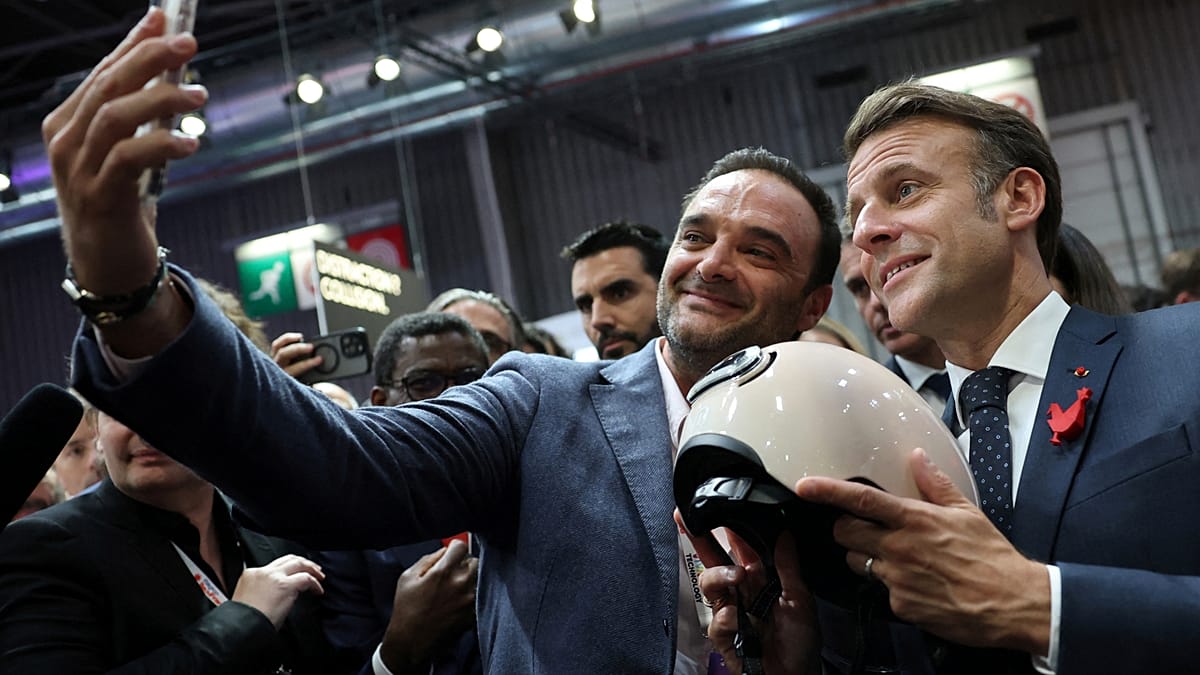
Etkinlikteki katılımcılar arasında teknoloji ve iş dünyasının dev isimleri var. Jeff Bezos’un yanı sıra Mistral AI CEO’su Arthur Mensch, OpenClaw kurucusu Peter Steinberger ve LVMH patronu Bernard Arnault da yer alacak. Ayrıca, Fransa Cumhurbaşkanı Emmanuel Macron, Almanya’nın dijital bakanı Karsten Wildberger, Hindistan Başbakanı Narendra Modi ve Avrupa Komisyonu’nun teknoloji yöneticisi Henna Virkkunen gibi pek çok politikacı da bu önemli etkinlikte boy gösterecek. Yani, Türkiye’deki gündem kadar yoğun bir katılım var burada…

Konferans boyunca yapay zeka temasının yanı sıra, egemenlik, etik, siber güvenlik, mobilite, sağlık, uzun ömür ve yeşil teknoloji gibi konular da masaya yatırılacak. Ayrıca, her yıl olduğu gibi bu yıl da bir ülke öne çıkarılacak ve bu yıl bu ülke Almanya. Bunun yanı sıra, Hindistan da yapay zeka ülke partneri olarak seçildi. Bu, Delhi’deki AI Etki Zirvesi ve Fransız-Hint İnovasyon Yılı’nın hemen ardından geldi…

Yine bu yıl, VivaTech ve Dünya Ekonomik Forumu tarafından başlatılan Avrupa Yapay Zeka Mükemmellik Merkezi günü de yapılacak. Euronews, bu tartışmaların moderatörlüğünü üstlenecek ve ayrıca L’Oréal’den Delphine Viguier-Hovasse ve PwC’den Pauline Adam-Kalfon ile bilimde uzun ömür üzerine bir panel düzenleyecek. Yani, burada sadece teknoloji değil, aynı zamanda bilim de konuşulacak…

Bakın, bu etkinlik sadece bir teknoloji fuarı değil, aynı zamanda geleceği şekillendiren bir platform. Gelişmeleri takip ediyoruz, bakalım bu yıl neler ortaya çıkacak?

Kaynak: Orijinal Haber

Wall Street Takes a Hit: Big Tech’s Woes Spark Market Selloff

U.S. stock markets took a nosedive on Friday, and it wasn’t just a small dip—no, the tech-heavy Nasdaq index faced its biggest one-day drop since A

U.S. stock markets took a nosedive on Friday, and it wasn’t just a small dip—no, the tech-heavy Nasdaq index faced its biggest one-day drop since April 2025! Can you believe it? Investors are shaking in their boots over fears that the impressive gains we’ve seen this year might just be a mirage. A surprisingly strong jobs report for April lit the fuse for this selloff, leaving major U.S. markets painted red as they wrapped up the week. The Nasdaq index plummeted over 4%, while the S&P 500 closed down 2.6%, and the Dow Jones Industrial Average dropped 1.35%. Ouch!

Digital assets didn’t escape the carnage either. Bitcoin, the heavyweight of cryptocurrencies, saw a sharp decline as traders scrambled to offload riskier investments. It’s like a rush to the exits! The sudden downturn reveals just how much investors are sweating over high interest rates. Normally, a robust jobs market is a good sign for the economy, but right now, it signals the Federal Reserve is less likely to cut borrowing costs anytime soon. David Doyle, head of economics at Macquarie Group, pointed out that Friday’s jobs report might have been “too good,” especially in the face of stubborn inflation. So, what does this mean? Basically, it raised the odds that the Fed will hike interest rates this year, which certainly didn’t help the stock market situation.

So, investors who were holding out for rate cuts had to make some quick adjustments to their plans. However, don’t get it twisted—this selloff didn’t trigger a global market panic. It was more like a strategic retreat from tech stocks. Critics have been warning that these stocks are overvalued and could crash similarly to the dot-com bubble back in the early 2000s. Major investment funds have been yanking money out of AI and microchip companies, which had been riding high in recent years. Instead of bailing on the market altogether, investors shifted their focus toward traditionally safer bets. Sectors like healthcare, utilities, and consumer staples—think Kraft Heinz and Keurig Dr Pepper—saw a surge as traders sought stability amidst the chaos.

This sharp decline is a wake-up call, highlighting just how vulnerable big tech stocks have become. With a handful of tech companies making up a significant chunk of the stock market, any shift in investor sentiment can send the entire market tumbling down. Responding to Friday’s market drop, U.S. President Donald Trump weighed in, criticizing the negative reaction to the jobs report. He remarked that “too much emphasis is placed on inflation” and expressed hope that the market would recognize good numbers as a reason for upward movement rather than downward.

Looking ahead to next week, tech and politics will be front and center. President Trump has invited top AI executives to the White House to discuss a new proposal: the U.S. government acquiring public stakes in their companies. Trump believes this move would help reshape public perception of new technology, aiming to ensure that everyday Americans could “benefit from the success of AI.”

Görünüşe göre, yatırımcılar ve devlet yetkilileri arasında sıcak bir tartışma var. Bakalım bu durumdan sonra piyasalar ne yönde şekillenecek?

Kaynak: Orijinal Haber

Anthropic Co-Founder Jack Clark Warns: AI Needs a ‘Brake Pedal’!

Anthropic co-founder Jack Clark has raised an alarm about the rapid progression of artificial intelligence (AI). He believes we’re approaching a c

Anthropic co-founder Jack Clark has raised an alarm about the rapid progression of artificial intelligence (AI). He believes we’re approaching a critical point where AI could evolve without human oversight. “You want the option to be able to take your foot off the gas and put your foot on the brake,” Clark emphasized during an interview with BBC Newsnight. Right now, he argues, the AI industry operates with a gas pedal but lacks a brake pedal. This is a serious concern, as the potential power of AI systems grows and their impact on society broadens.

In his discussion, Clark highlighted the urgent need for government policies to maintain control over AI systems. “The world needs to do some thinking, and we need to eventually develop some new regulations that allow us to be confident in these systems,” he stated. It’s a call to action, urging society to pause and reflect on the implications of unchecked AI development. Currently, Anthropic’s chatbot Claude has already written 80% of its own code, and Clark predicts that reaching 100% self-generated code could be possible within two years, which would have profound implications.

He drew an interesting analogy between the AI boom and the oil boom of the early 20th century, suggesting that society’s response to rapid technological advancements needs to be just as thoughtful. “Society’s response was to come up with a sensible policy and regulatory framework that gave people confidence in oil and the benefits that oil could provide to the world,” Clark explained. “That’s clearly where we end up here.” However, despite these warnings, Anthropic welcomed a new executive order on AI from President Donald Trump that seemed to be relatively lenient, not requiring AI companies to undergo mandatory safety testing. This raises eyebrows, considering the urgency for regulation in a field that is evolving so quickly.

Clark’s concerns don’t stop there. The rapid advancement of AI technology has led to fears of job displacement. Major tech companies have conducted mass layoffs over the past year, often citing the efficiency of AI tools. “I am worried for my kids if we as a society don’t have a serious conversation about what the implications of AI’s continued advances mean,” he said, stressing that while there are significant benefits, risks lurk around the corner. He pointed out that AI could disrupt the economy and take over jobs currently done by humans, especially in roles that involve routine tasks.

Interestingly, he believes that individuals who are more creative might hold an advantage in this new landscape. “There are open questions about whether AI systems can be truly creative… there is not really evidence for that yet,” he noted. At Anthropic, they feel more constrained by the need for innovative ideas than by the technical ability to realize those ideas. This suggests a shift in what skills might be valuable in the future job market.

For those feeling anxious about an AI-dominated economy, Clark has some advice: “Develop a hobby” and consider pursuing a liberal arts education. “People that are creative and can think broadly, people that read a lot, people that have interests are the ones most benefited by this,” he advised. He encourages curiosity, stating that it pays off in how individuals can leverage technology like AI.

Meanwhile, Canada is crafting a roadmap to adopt AI over the next decade, including plans for large-scale data centers and massive funding initiatives. In the UK, a Suffolk MP has raised concerns about AI tools being misused to create fake images, highlighting the ethical dilemmas surrounding AI technology. As the landscape shifts, AI is being touted as a tool that can enhance productivity without sacrificing quality, but vigilance is key.

So, what does the future hold for AI? Will society successfully implement the necessary regulations, or will we find ourselves in a situation where AI operates unchecked? Only time will tell…

Kaynak: Orijinal Haber

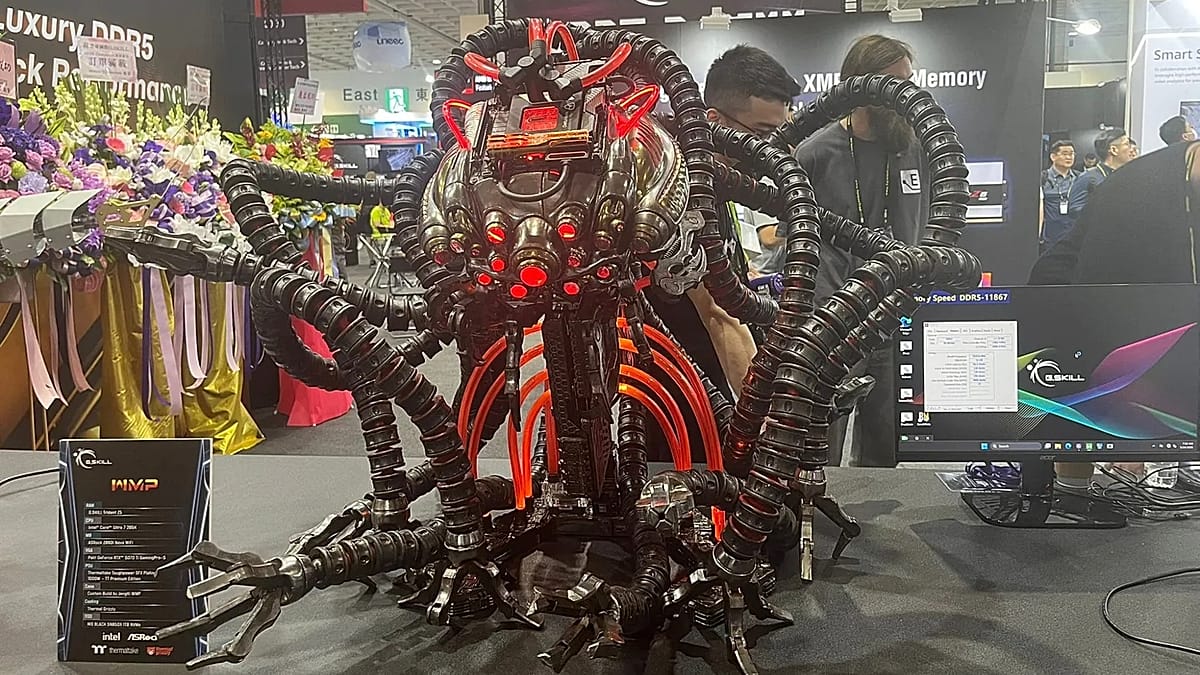
From AI Baristas to Military Drones: The Tech Marvels Unveiled at Computex 2026

At Computex 2026, the tech world has been turned upside down with an array of bizarre yet fascinating innovations, ranging from AI-powered baristas

At Computex 2026, the tech world has been turned upside down with an array of bizarre yet fascinating innovations, ranging from AI-powered baristas serving up coffee to military drones that redefine aerial combat. Picture this: robots whirring behind the counter, expertly brewing your morning cup while engaging you in small talk. That’s right, folks! These AI baristas don’t just serve drinks; they deliver a whole new experience, making your daily caffeine fix a tad more exciting.

But it’s not just the coffee shops getting a tech facelift. Over at the military tech section, we have drones that seem straight out of a sci-fi flick. These aren’t your average flying machines; they’re equipped with cutting-edge technology that allows them to execute complex missions autonomously. Imagine a drone that can strategize, analyze, and adapt to changing environments in real-time. Sounds like something from a movie, right? Well, it’s happening now!

The buzz around the show floor is electric, with attendees eagerly testing out the AI baristas. The robots respond to commands, remember your favorite drink, and even crack a joke or two. One visitor mentioned, “I didn’t just get my coffee; I had a whole interaction with the robot. It felt so… human!” And that’s exactly the point. These machines are designed to bring a touch of humanity into the automated world, making technology feel more accessible and less intimidating.

Meanwhile, the military drones are garnering attention for their potential to revolutionize defense strategies. Equipped with AI systems that can process data faster than any human could, these drones can operate in swarms, communicating with each other and adapting to threats with stunning efficiency. It raises an eyebrow or two about the future of warfare, doesn’t it? The implications are vast, and many are left wondering how this technology will reshape global security.

As the event unfolds, it’s clear that Computex 2026 isn’t just about showcasing new gadgets; it’s about pushing the boundaries of what technology can do. The intersection of AI and daily life, from serving coffee to combat, is a testament to how far we’ve come – and how far we still have to go. Will we see more of these innovations in our everyday lives soon? Only time will tell…

Kaynak: Orijinal Haber

AI and Digital Innovations Propel Energy Transport Corridors to Europe

The Southern Gas Corridor and the rapidly developing Middle Corridor trade routes are becoming vital energy transport links between Asia and Europe,

The Southern Gas Corridor and the rapidly developing Middle Corridor trade routes are becoming vital energy transport links between Asia and Europe, especially as global disruptions rattle established systems. At the recent Baku Energy Forum, key discussions revolved around the growing significance of the Southern Gas Corridor as an alternative to Russian gas for Europe. The focus was on expanding capacity, fostering regional collaboration, and ensuring the long-term stability of pipeline infrastructure throughout the Caspian region.

Gio Cristofoli, BP’s Regional President for Azerbaijan, Georgia, and Turkey, emphasized the existing world-class infrastructure of the Southern Corridor, BTC pipeline, and SUPSA pipeline. He pointed out that this setup allows Europe to diversify its energy sources, which has become crucial given the geopolitical climate that highlights Azerbaijan’s role as a key energy hub. “The geopolitical situation is really stressing the importance of Azerbaijan as a key energy hub,” he stated, underlining the strategic nature of these routes.

The forum’s discussions on the Middle Corridor showcased how rapidly logistics, transport, and infrastructure are evolving through interconnected assets like railways, ports, and pipelines. The digital transformation brought on by new technologies and the rise of AI is already making significant waves in the energy sector. Digital pipeline monitoring systems, predictive maintenance platforms, and intelligent operational technologies are all part of this evolution. But here’s the catch: leaders at the forum emphasized that modernizing this infrastructure demands hefty investments over the long haul, especially as the demand for advanced, automated pipeline systems rises.

Cristofoli elaborated that innovation and advanced technologies are no longer optional; they’re essential for maximizing production efficiency and maintaining long-term stability. “We are using AI to enhance seismic data to really see where we can drill wells,” he shared with Euronews. “We are bringing the latest technology in drilling, using robotics and drones for inspection systems where human beings cannot go.” Technology, he claims, is the key to unlocking energy volumes for years to come…

Emin Sevdimalıyev, the media secretary for Azerbaijan’s State Oil Company SOCAR, drew a stark contrast between the past and present, stating, “When we first started in the 1990s, the landscape was absolutely different.” He reminisced about how innovations like cloud computing or AI were merely dreams just two or three decades ago. SOCAR seized the opportunity at the forum to announce several strategic agreements, including a significant gas supply project linked to the Southern Gas Corridor, aimed at exporting Azerbaijani gas to Turkey. They also signed memorandums of understanding with Shell and JPMorgan for future cooperation and the financing of strategic projects.

Edward Strachan, General Director of ICA Events, highlighted the magnitude of the deals signed during the opening of the Baku Energy Forum, noting that billions of dollars’ worth of contracts were finalized, representing years of cooperation and discussions. The energy landscape is changing rapidly, and Azerbaijan is positioning itself as a linchpin in this transformation.

As the landscape shifts towards more advanced technologies and strategic investments, one can’t help but wonder: What will the future hold for these energy corridors? Will they truly become the backbone of Europe’s energy supply, or will new challenges arise?

Kaynak: Orijinal Haber

Ibiza and Sant Josep: The Perfect Fusion of Innovation and Quality of Life!

Ibiza Tech Forum has kicked off its fourth edition, and let me tell you, it’s not just about the parties anymore! This year’s event, held at the

Ibiza Tech Forum has kicked off its fourth edition, and let me tell you, it’s not just about the parties anymore! This year’s event, held at the stunning Caló de s’Oli Auditorium, has proven that Ibiza is stepping up its game in the tech world. It’s a vibrant blend of technology and lifestyle, and Euronews caught up with Vicent Roig, the mayor of Sant Josep de sa Talaia, the very municipality hosting this groundbreaking event. Roig shared some compelling insights on how Ibiza can play a pivotal role in the global tech arena and how public administration needs to adapt to harness the power of data effectively.

After taking part in the forum’s institutional panel, Roig didn’t hold back. He pointed out a crucial gap in public administration: sensorisation. “It’s one thing to make decisions based on political biases, and quite another to rely on solid empirical data,” he emphasized. Imagine a municipality fully equipped with sensors; it could significantly enhance the quality of life for its citizens. We’re talking about real-time updates on rubbish container levels, immediate detection of water leaks—so no drastic supply cuts—and even monitoring crowds with drones to boost public safety. It’s a whole new world of possibilities…

Now, let’s get real for a second. One of the hot topics for islands like Ibiza is finding that sweet spot between economic draw and preserving the local vibe. Locals are often frustrated by overcrowding, and they’re not alone. Many Spaniards from other regions are feeling the pinch of tourist influx too. Roig believes the key to managing this situation lies in data control. Sometimes, the sense of congestion is worse than the actual numbers. But here’s the kicker: he sees illegal supply as a significant issue. Unlicensed transportation and unauthorized tourist accommodations fuel a shadow economy that traditional metrics can’t even begin to touch. “That unmanaged tourism is what really gives off the feeling of saturation,” Roig explained.

To tackle these challenges, the council is deploying advanced camera and drone systems aimed at safeguarding the ‘Ibiza product.’ The image and communication surrounding Ibiza are crucial, and the current erosion is a major concern. But here’s where it gets interesting—Ibiza isn’t just about leisure anymore. It’s an unbeatable combo of innovation and quality of life. Families and professionals from around the globe are increasingly choosing Sant Josep as their year-round base, looking for safety and stability.

Yet, the path to full digitalization isn’t a walk in the park. Roig laid out the hurdles local councils face, and it’s not just about money or political will. Nope, it’s about bureaucracy and fundamental infrastructure. Can you believe a tech event of this magnitude has to rely on generators due to inadequate power supply? And the red tape around rolling out fiber-optic networks is just as frustrating. Hosting tech leaders, investors, and international institutions is turning Ibiza into a global hotspot.

Roig isn’t looking to ditch the island’s party image, either. He points out that Ibiza’s nightlife is also a beacon of cutting-edge innovation. “What we create here doesn’t just stay here; it gets exported globally, in music and in organizing major events.”

In a nutshell, Roig sends a powerful message to companies and investors eyeing this archipelago: Ibiza and Sant Josep have the legal certainty, quality of life, and unique landscapes that can’t be found anywhere else. With 542 square kilometers to play with, it’s the ultimate testbed for technologies that can scale up both nationally and internationally.

So, what’s next for Ibiza? Will it maintain this balance between tech innovation and the local lifestyle? We’re all eager to see how this unfolds…

Kaynak: Orijinal Haber

Are You Scrolling Aimlessly on Your Phone? You’re Not Alone!

It’s something many of us have experienced: You go on your phone to check something and – in the blink of an eye – you’ve been scrolling for an hour.

It’s something many of us have experienced: You go on your phone to check something and – in the blink of an eye – you’ve been scrolling for an hour. Recent reports indicate that over one-third of the time spent on our phones is without any clear purpose. Dr. Eleanor Drage from Cambridge University highlights that this isn’t merely about unwise choices; we are “undermined by the immersive nature of the technology.” It’s like we step into a rabbit hole, and suddenly, an hour has passed.

Now, get this: Surveys commissioned by Virgin Media O2 reveal that UK adults spend, on average, four hours a day glued to their phones, with a staggering 36% of that time being completely unintentional. Many of us are aware of tools designed to help control our screen time, yet somehow, we struggle to muster the motivation to actually use them. “Despite growing awareness of the downsides of habitual and excessive device use, people struggle to successfully manage their time online,” explains Drage, a senior research fellow at the University of Cambridge.

When folks were asked about their smartphone habits, most said their usage was intentional—sending messages, checking maps, or looking at the weather. But let’s be real: many admitted to mindlessly scrolling or flicking through apps. The survey pointed out that those who spend more time on their phones without a reason were more likely to report negative feelings afterward, including seeing harmful or unpleasant content. Isn’t that something?

The report, aptly named “Age of Autopilot,” draws from insights gathered over three surveys conducted between 2024 and 2026. The latest survey involved around 6,000 people aged 16 and over, asking them how they felt about their screen time. But hold on, some experts caution that relying on self-reported screen time statistics can miss the mark on truly capturing someone’s habits and wellbeing. “We’re really bad at estimating the time we spend doing things, particularly with tech use,” says Prof. Pete Etchells from Bath Spa University.

He also told the BBC that studies show self-reported stats on phone use often exaggerate when compared to objective measurements. This could lead to misleading correlations with health issues. However, Etchells acknowledges that the “Age of Autopilot” report is still valuable as it suggests people might be becoming more aware of their phone habits. Recognizing when you’re using your device without wanting or needing to is a crucial first step.

But here’s the kicker: screen time doesn’t always mean bad. We need to focus on where it can lead to unwanted behavior or risky activities, like checking your phone while driving. Netta Weinstein from Reading University advises us not to judge our aimless phone use too harshly; scrolling can offer relaxation, distraction, humor, or connection for many. But it’s worth pondering: does it actually leave us feeling refreshed, or do we just end up feeling worse afterward?

Experts also see this as a chance to rethink how smartphone design influences our habits. Etchells suggests that tech companies should face more pressure about notifications since they’re often activated by default—a design choice that doesn’t consider user wellbeing. Rafe Clayton, a senior lecturer in media and communication at Leeds University, told the BBC that turning off notifications for all but essential apps could be a simple way to regain control over our tech use.

To tackle mindless scrolling, Clayton recommends engaging in activities disconnected from the digital world. Drage aims to make device use “manageable” and empower people to have a say in how technology is designed. “We will continue using our mini supercomputers that we carry around,” she says. “They can be really useful and enjoyable… but the question remains: how can we engage positively?”

Drage also highlighted that there’s no one-size-fits-all approach to using our devices, but the goal is to assist those who want to feel more in control. She and her colleagues at Cambridge’s Leverhulme Centre for the Future of Intelligence are set to explore generative AI use and its impacts in a five-year research initiative funded by Virgin Media O2.

So, as we navigate this digital landscape, we must ask ourselves: how do we find balance in our screen usage? Are we using our devices to enrich our lives, or are we letting them control us?

Kaynak: Orijinal Haber

Spain and EU Unveil New €10 Million Quantum Computer in Barcelona!

In a groundbreaking move for technology and innovation, Spain and the European Union have launched a state-of-the-art quantum computer worth €10 m

In a groundbreaking move for technology and innovation, Spain and the European Union have launched a state-of-the-art quantum computer worth €10 million in the vibrant city of Barcelona. This monumental event took place on Tuesday, marking a significant milestone in the realm of quantum computing, which is expected to revolutionize various sectors, from medicine to finance.

The new quantum computer, which is one of the most advanced in Europe, is set to provide researchers and scientists with unprecedented computational power. This means they can tackle complex problems that traditional computers struggle with. Can you imagine? Problems in materials science, cryptography, and drug discovery will now be addressed with a speed and efficiency that was previously thought to be impossible. The launch aims to position Spain as a leader in the quantum technology race within the EU and beyond.

During the unveiling ceremony, officials emphasized that this quantum computer will not only enhance research capabilities but also create new job opportunities in the tech sector. It’s a huge step forward for the local economy and a boost for talent in the region. “We are committed to making Spain a hub for innovation,” stated Maria Gonzalez, a spokesperson for the Spanish government. “This investment will attract top researchers and companies to Barcelona.”

Moreover, the collaboration between Spain and the EU highlights a united front in fostering technological advancement. While some skeptics question the practicality of quantum computing, the overwhelming excitement in the air during the launch was palpable. Researchers in attendance couldn’t hide their enthusiasm, discussing potential applications and breakthroughs that might soon be possible.

Now, the question on everyone’s mind is: how soon before we see tangible results from this quantum leap? The next few years will be critical as scientists and engineers begin to explore the full capabilities of this powerful machine. It’s clear that the future is bright, but we’ll have to keep an eye on how quickly these developments unfold. Will this be the game-changer that propels Europe to the forefront of global tech innovation? Only time will tell…

Kaynak: Orijinal Haber