UK Government Cuts VAT on Household Electricity Bills This October!

The UK government has announced a significant move to cut VAT on household electricity bills, a decision that comes as part of new Prime Minister An

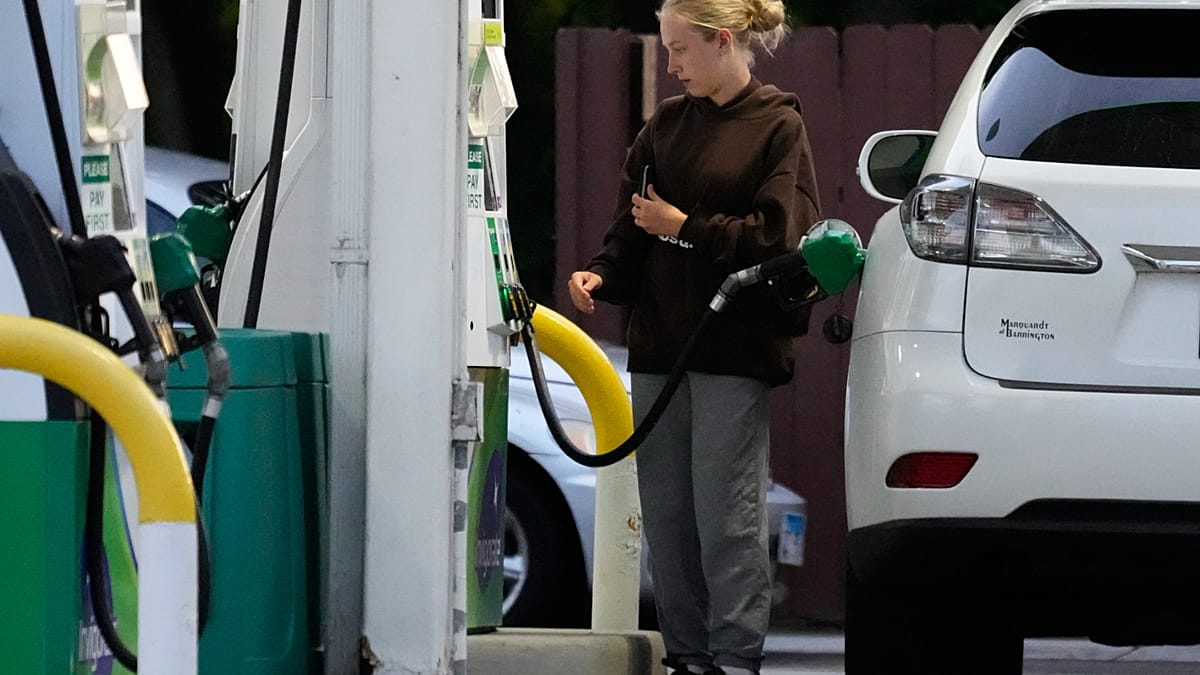
The UK government has announced a significant move to cut VAT on household electricity bills, a decision that comes as part of new Prime Minister Andy Burnham’s efforts to provide some reassurance to families this winter. This announcement was made amidst growing concerns over rising energy costs, which have surged by 13% for millions of people across England, Scotland, and Wales since July. The rising prices have left many feeling the financial pinch, and Burnham’s government aims to alleviate some of this burden.

Burnham, who vowed to bring “breathing space” to families, emphasized that this VAT cut is intended to put more money back into people’s pockets. However, this announcement has sparked some controversy. Shadow Chancellor Mel Stride criticized the government for allegedly using the Digital ID budget to fund this VAT reduction. “We are only one day in and already it’s smoke and mirrors on public finances,” he remarked, questioning the transparency of the government’s financial maneuvers. It’s clear that the opposition is keeping a close eye on Burnham’s actions right from the start.

As we delve deeper, it’s important to note that the End Fuel Poverty Coalition welcomed this reduction but expressed that it is merely a temporary fix. Simon Francis, the coalition’s co-ordinator, pointed out that while the VAT cut is a positive step, the government must “go even further.” He stressed that this “breathing space” is not a cure; the only way to truly lower energy bills is to change how they are set in the first place. This sentiment reflects a growing frustration among citizens who are tired of short-term solutions to a long-term problem.

The new cabinet is set to meet for the first time at lunchtime on Tuesday, where further discussions on energy prices and household relief measures will likely take place. With the cost of living crisis affecting so many, all eyes are on Burnham as he navigates these challenging waters. Will this VAT cut provide the relief that families desperately need, or is it just a band-aid on a much larger issue? The coming weeks will reveal the government’s true intentions and effectiveness in addressing the energy crisis.

Görüşmeler devam ederken, halkın beklentileri yüksek. Vatandaşlar, bu adımların gerçek bir değişim yaratmasını umut ediyor. Bakalım bundan sonra ne olacak? Gelişmeleri takip ediyoruz…

Kaynak: Orijinal Haber

Switch Your Bank, Energy, or Broadband Provider and Save Big Bucks!

Changing your bank, energy, or broadband provider can feel like a daunting task. But let me tell you, it doesn’t have to be! You might be leaving mon

Changing your bank, energy, or broadband provider can feel like a daunting task. But let me tell you, it doesn’t have to be! You might be leaving money on the table if you stick with your current suppliers, especially when you know that switching could save you hundreds of pounds. And no, you won’t have to deal with the same old hassle as before. Ofcom has made it easier for you, ensuring you’ll be refunded any interest and charges on both your old and new accounts. Just keep in mind, if you’ve got an overdraft, you’ll need to pay that off first.

Now, if you’re thinking about switching your energy supplier or tariff, the good news is that Ofgem has simplified that process too. But wait a minute! There are some crucial things to double-check. For instance, how you pay can significantly impact your bill. Did you know that paying every month by direct debit can save you around £140 a year compared to receiving a bill every three months? That’s a pretty penny!

Falling behind on previous bills? That could throw a wrench in your plans to switch to a new supplier. So, make sure you’re up to date before taking the leap. You’ll also want to decide between moving to a fixed tariff, which locks in your price per unit of gas and electricity for a set period, or a variable one, which can fluctuate.

When it comes to broadband, it’s pretty much the same story. You only need to contact the new provider if you’re ready to make the switch. Ofgem says that your new supplier will need some essential information from you: your postcode, the name of your current energy supplier, your current tariff, and the amount you pay per unit of energy, which is shown in kilowatt hours (kWh) on your bill. Plus, they’ll want to know how much energy you use each year. Most of this info can be found on your bills or energy statements, and switching services are out there to help you navigate this process.

Hang tight! The switch can take up to five days, and you get a 14-day cooling-off period where you can cancel the switch without any fees. It’s super important to take meter readings to ensure you’re charged the right amount by both your old and new suppliers.

So, what are you waiting for? Saving money might just be a switch away. Do you have any thoughts or questions about this whole process?

Kaynak: Orijinal Haber

IEA Reports First Annual Drop in Global Oil Demand Since COVID-19 Pandemic

Global oil demand is on track to experience its first annual decline since the COVID-19 pandemic, according to a recent report from the Internationa

Global oil demand is on track to experience its first annual decline since the COVID-19 pandemic, according to a recent report from the International Energy Agency (IEA). This surprising shift comes amidst rising prices and a shift in consumer behavior as people adapt to the changing economic landscape. With countries around the world feeling the pinch of inflation and energy costs, it seems that the pendulum is swinging away from the high consumption levels seen in the last few years.

The IEA’s analysis indicates that global oil demand will fall by approximately 1.2 million barrels per day this year. This decline is significant, especially considering that just a few years ago, the demand was on an upward trajectory, fueled by increasing industrial activity and a surge in travel as restrictions eased. Now, the landscape has transformed dramatically, leaving many to wonder: what will this mean for the future of the oil industry?

As we look at the numbers, it becomes clear that the rise in electric vehicle adoption, coupled with energy conservation measures, is starting to make an impact. People are becoming more conscious of their energy use, and businesses are adjusting their operations to be more sustainable. The IEA reports that this change is not just a blip; it may signal a long-term trend as countries commit to reducing their carbon footprints. Consumers are opting for greener alternatives more than ever before, and that’s shaking up the oil market.

But it’s not just the consumers who are feeling the heat. Oil-producing nations are bracing for a potential economic shift. With prices fluctuating and demand decreasing, many are re-evaluating their strategies. The question on everyone’s mind is: how will these countries adapt to a world that is moving towards renewable energy sources? Yahu, it’s a real conundrum!

Looking ahead, the IEA warns that the transition won’t be smooth. While some countries are leading the charge towards renewable energy, others may struggle to adapt. The oil market is known for its volatility, and as demand falls, we could see prices drop, leading to more uncertainty. Citizens, businesses, and governments alike are left to wonder what the future holds. Will we see a resurgence in oil demand, or is this the beginning of a new era? Only time will tell.

Kaynak: Orijinal Haber

Jackdaw Gas Field Approval Crucial for Winter Energy Security!

Adura’s chief executive, Neil McCulloch, has thrown down a serious warning about the UK’s energy future. If the Jackdaw gas field isn’t approved soo

Adura’s chief executive, Neil McCulloch, has thrown down a serious warning about the UK’s energy future. If the Jackdaw gas field isn’t approved soon, we’re looking at some major fuel shortages this winter. I mean, when you think about it, starting from October 1, the nation’s gas needs become hyper critical. With just about eight days of gas storage left, the UK could find itself in a pretty tight spot during a gas supply emergency… And that’s not just talk; it’s a real possibility that has campaigners in a tizzy.

Last week in London, activists were practically shouting at Andy Burnham, urging him not to let the North Sea open up to new oil and gas projects. Yet, McCulloch’s perspective is clear: “If I were the Secretary of State for Energy Security and Net Zero, I’d be looking closely at where’s my next source of energy security, and you’re standing on it.” The wells for Jackdaw are drilled and ready to go, and they could be pivotal for this winter’s gas supply… But, of course, the debate rages on.

Tessa Khan, the executive director of the campaign group Uplift, highlighted the urgency, saying Jackdaw could be crucial for meeting the country’s annual gas demand during its operational lifespan. And if you look around, the climate crisis is hitting hard, with record-breaking heatwaves reminding us of the pressing need to tackle climate change. But here we are, in the middle of a fierce argument about whether to keep investing in fossil fuels or shift our focus to renewables.

Now, let’s talk about Burnham for a second. As he preps for a big move to Downing Street, he’s feeling the heat from within his own Labour party to green-light more oil exploration. Former Prime Minister Tony Blair and union leaders are all in the mix, pushing for the North Sea to open up for business again. But here’s the kicker: declining oil and gas resources are happening quicker than we all thought, and the renewables sector isn’t quite ready to pick up the slack when it comes to jobs…

And yeah, while some in Westminster are calling for a new era of energy exploration, others like Nicola Sturgeon and Humza Yousaf are firmly against it. They’ve made it clear that new developments like Rosebank and Jackdaw should only move forward if they align with the UK’s climate goals. Meanwhile, John Swinney, the current First Minister, is caught in the middle, trying to balance the demand for energy with climate compatibility…

But here’s a question worth pondering: Would drilling every last drop of oil and gas really keep our energy bills down? Ed Miliband, a prominent Labour figure, has crafted a policy that leans heavily on renewable energy—think wind, wave, and solar—while remaining skeptical about new oil and gas projects. He’s made it clear that while oil and gas will still play a role in the UK’s energy landscape, we can’t just rely on them blindly.

And in the backdrop of all this, the Conservatives are using the energy debate as a political weapon, claiming their recent victory was a referendum on oil and gas. Tory leader Kemi Badenoch made it clear that voters want stability in energy supply, hinting that renewables just aren’t ready yet. It’s all a bit of a juggling act, with the country’s energy security hanging in the balance…

Back at Jackdaw, preparations are ongoing despite the heated discussions. Four massive columns are waiting to receive high-pressure gas from deep below the seabed, just about 5 kilometers down. This isn’t just any gas project; it’s a complex engineering marvel that deals with extreme pressures and temperatures. We even spotted the giant pipe that connects back to the existing Shearwater field, where the gas will be processed before making its way to the St Fergus terminal in Aberdeenshire.

Now, while the weather was calm during our visit to Jackdaw, the atmosphere surrounding this field is anything but. There’s a storm brewing over how we power the nation, and with new climate assessments and court rulings declaring some oil and gas field consents unlawful, the stakes couldn’t be higher. So, what’s going to happen next? Are we going to see more approvals, or will the push for renewable energy finally take the lead? The debate is far from over…

Kaynak: Orijinal Haber

Households Urged to Submit Energy Meter Readings as Prices Surge!

As household energy prices are set to rise by a staggering 13% this Wednesday, millions of people across England, Scotland, and Wales are being urge

As household energy prices are set to rise by a staggering 13% this Wednesday, millions of people across England, Scotland, and Wales are being urged to take action. Bill payers are being asked to submit their energy meter readings, a crucial step as many households find their energy tariffs impacted by Ofgem’s price cap, which is expected to add renewed pressure for government intervention to support those in urgent need.

Ministers have pointed to reforms made earlier this year aimed at cutting electricity and gas bills, but with Chancellor Rachel Reeves hinting at potential targeted support in the autumn, uncertainty looms as her position could change with new Labour leadership. The reality is, as Craig Lowrey, principal consultant at Cornwall Insight, highlights, prices have not surged as high as previously feared after the recent US-Iran truce, but the burden is still heavy on many.

The anticipated jump in bills is alarming, especially for energy-inefficient homes, which can become deadly in the frigid winter months and increasingly threaten vulnerable residents during the summer heat. Although there are signs of improvement in some households, millions remain on the brink of financial crisis. It’s a stark reminder that many are just one unexpected bill away from chaos in their lives.

Citizens are being caught off guard. The call to action is clear: if you haven’t already, check that meter reading and submit it! It could mean the difference between managing your bills and facing an unmanageable situation. The stakes are high, and the time to act is now.

So, what will the government do in response to this surge? Will there be enough support for those who need it most? It’s a waiting game, and one that’s leaving many people anxious and wondering what tomorrow will bring.

Kaynak: Orijinal Haber

Energy Experts Signal Caution: Oil and Gas Supply Recovery Slow Post-Iran Deal

Energy experts are raising eyebrows and concerns over the sluggish recovery of oil and gas supply following a potential deal with Iran. The anticipa

Energy experts are raising eyebrows and concerns over the sluggish recovery of oil and gas supply following a potential deal with Iran. The anticipation surrounding the deal has been like a ticking clock, but experts warn that the effects might not be as immediate as many hope. The whispers in the industry suggest that while the deal could open the floodgates for Iranian exports, the actual recovery of supply may take longer than expected.

As the world watches closely, the reality is that it’s not just about signing a piece of paper. Yahu, it’s about logistics, infrastructure, and many other factors that could delay the flow of oil and gas from Iran to the global market. Experts point out that the existing sanctions have left significant marks on the Iranian oil sector, and rebuilding that capacity will be a slow grind. “It’s not like flipping a switch,” one analyst stated, emphasizing that even with a deal, the operational challenges remain considerable.

Moreover, the geopolitical landscape adds another layer of complexity. The ongoing tensions in the region and market volatility could further hinder recovery efforts. It’s a classic case of “just because you can, doesn’t mean you will.” The global economy is still reeling from various shocks, and the oil and gas sectors are no exception. Prices have been fluctuating, and any disruption could lead to a new rollercoaster ride for consumers and businesses alike.

So, what does this mean for the average person? Well, fuel prices could remain high for a while longer. The hope was that with Iranian oil back in the game, prices would stabilize, but that might not be the case if supply chains are not restored promptly. Citizens are left wondering, “When will we see relief at the pump?” As the experts continue to analyze the situation, it’s clear that the path to recovery is filled with potholes.

In summary, while there’s a glimmer of hope with the Iran deal on the horizon, the road to a robust oil and gas supply recovery is looking like a long and winding one. The experts are keeping a close eye on developments, and it remains to be seen how quickly the industry can adapt. Bakalım bundan sonra ne olacak?

Kaynak: Orijinal Haber

Spain’s Groundbreaking Hydrogen Engine Powers National Grid for the First Time!

A giant hydrogen-powered engine has successfully generated electricity for Spain’s national grid in what its manufacturer, Wärtsilä, claims is a

A giant hydrogen-powered engine has successfully generated electricity for Spain’s national grid in what its manufacturer, Wärtsilä, claims is a world first for large-scale power generation. This cutting-edge technology was developed by the Finnish energy company and put through its paces at their facility in northern Spain. The engine operates entirely on hydrogen, offering a promising solution to one of renewable energy’s biggest challenges: ensuring a steady electricity supply when wind and solar power fall short.

Wärtsilä officials are optimistic, stating that hydrogen-powered engines could play a crucial role in balancing future power grids without emitting carbon. Unlike the traditional hydrogen fuel cells, this system utilizes a large combustion engine specially adapted to run on pure hydrogen. The vision is to eventually combine multiple units into utility-scale power plants that could churn out hundreds of megawatts of electricity.

However, it’s not all smooth sailing. Experts warn that significant hurdles remain on the road to large-scale hydrogen adoption. To make this a reality, substantial investments in production, storage, and transport infrastructure are essential, not to mention the need for stronger policy support.

As Spain pushes ahead with its renewable energy strategy, wind and solar power are increasingly making up a larger slice of the country’s electricity generation pie. This groundbreaking test comes at a pivotal time—Spain is ramping up efforts to transition to cleaner energy sources, and hydrogen could very well be a key player in that future.

But hey, yahu, it’s still early days. The excitement around this hydrogen engine is palpable, but will it live up to the hype? And what about the infrastructure? Only time will tell if hydrogen will truly become a mainstay in our energy landscape. Bakın, gelişmeleri takip ediyoruz…

Kaynak: Orijinal Haber
Rising Bill Debt: Are You Aware of Available Support?

Billions of pounds are owed to water, broadband, and energy companies by customers, with the majority completely unaware that support is available to

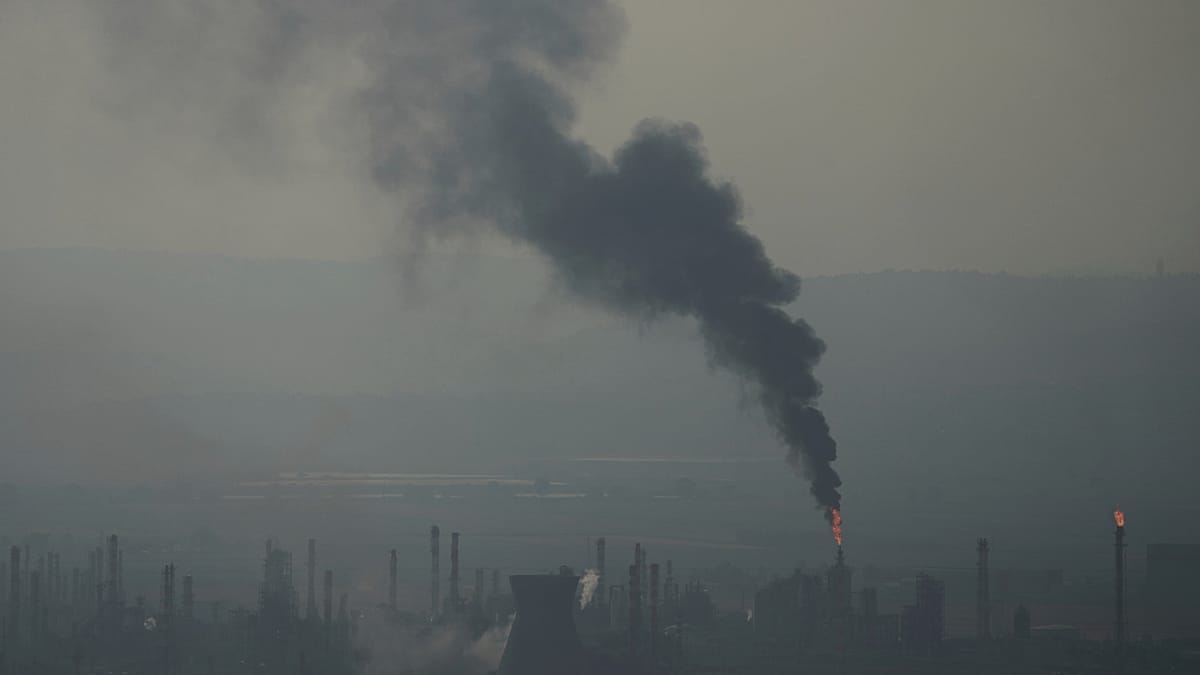
Billions of pounds are owed to water, broadband, and energy companies by customers, with the majority completely unaware that support is available to them. As of March last year, the UK’s spending watchdog reported that more than £7bn in bills and charges were outstanding, and estimates suggest that this staggering total has only grown since then… Yani, durum içler acısı.

Take Linda, a 70-year-old pensioner, for example. She shared her struggles with the BBC, explaining that the credit on her energy meter often runs out three or four days before her pension arrives. But, here’s the silver lining: her energy supplier was actually helpful once she informed them of her situation. This is the kind of support that many people simply don’t know exists. According to the National Audit Office (NAO), most folks are completely in the dark about repayment plans and cheaper social tariffs available for those in debt. Can you believe it? Only one-third of eligible broadband customers and just 39% of water customers aware of these social tariffs are struggling to pay their bills!

These social tariffs are typically discounted packages on essential bills like water, energy, and broadband, aimed primarily at those receiving benefits or who are having a tough time financially. They can differ significantly between suppliers. The NAO even noted that energy customers on repayment plans tend to owe £1,000 less on average than those in debt without any plan in place. Imagine that!

Gareth Davies, head of the NAO, highlighted that while regulators have made some progress to support consumers, they are simply not keeping pace with the mounting pressure facing millions of households today. He remarked, “With debt rising sharply, it’s more important than ever to make regulation work so that people know what support is available and can contact essential providers when they need to.” This is crucial, especially since household energy debt has surged by 118% since 2021, primarily due to the fallout from Russia’s invasion of Ukraine.

Linda’s story is just one of many. She shared that her debts have climbed into the hundreds of pounds, leaving her feeling embarrassed and wanting to remain anonymous. “I could afford my bills before, but I’m really struggling now. I’ve never been in debt before,” she lamented. And this is a reality for many. She relies solely on her state pension, which never seems to stretch far enough to cover her utility bills…

The NAO report also pointed out that awareness of the Priority Services Register remains alarmingly low. This UK-wide initiative is designed to help utility companies identify and support customers who have extra communication, access, or safety needs, especially during emergencies like power cuts. Sir Geoffrey Clifton-Brown, who chairs the Commons Public Accounts Committee, called for better communication, saying, “It remains too difficult for consumers to contact companies when things go wrong, financial support is poorly promoted, while basic billing errors are pushing households further into debt.”

Despite some progress from regulators like Ofgem, Ofcom, and Ofwat, the pressure is still on to act with urgency to ensure consumers receive the standard of service they truly deserve. They claim that helping vulnerable customers is a priority and that reforms are underway, but many believe there is still so much more to be done…

So, what’s next? Will more people find the help they need before they drown in debt? The clock is ticking, and the stakes are high for millions of households across the UK.

Kaynak: Orijinal Haber

AI and Digital Innovations Propel Energy Transport Corridors to Europe

The Southern Gas Corridor and the rapidly developing Middle Corridor trade routes are becoming vital energy transport links between Asia and Europe,

The Southern Gas Corridor and the rapidly developing Middle Corridor trade routes are becoming vital energy transport links between Asia and Europe, especially as global disruptions rattle established systems. At the recent Baku Energy Forum, key discussions revolved around the growing significance of the Southern Gas Corridor as an alternative to Russian gas for Europe. The focus was on expanding capacity, fostering regional collaboration, and ensuring the long-term stability of pipeline infrastructure throughout the Caspian region.

Gio Cristofoli, BP’s Regional President for Azerbaijan, Georgia, and Turkey, emphasized the existing world-class infrastructure of the Southern Corridor, BTC pipeline, and SUPSA pipeline. He pointed out that this setup allows Europe to diversify its energy sources, which has become crucial given the geopolitical climate that highlights Azerbaijan’s role as a key energy hub. “The geopolitical situation is really stressing the importance of Azerbaijan as a key energy hub,” he stated, underlining the strategic nature of these routes.

The forum’s discussions on the Middle Corridor showcased how rapidly logistics, transport, and infrastructure are evolving through interconnected assets like railways, ports, and pipelines. The digital transformation brought on by new technologies and the rise of AI is already making significant waves in the energy sector. Digital pipeline monitoring systems, predictive maintenance platforms, and intelligent operational technologies are all part of this evolution. But here’s the catch: leaders at the forum emphasized that modernizing this infrastructure demands hefty investments over the long haul, especially as the demand for advanced, automated pipeline systems rises.

Cristofoli elaborated that innovation and advanced technologies are no longer optional; they’re essential for maximizing production efficiency and maintaining long-term stability. “We are using AI to enhance seismic data to really see where we can drill wells,” he shared with Euronews. “We are bringing the latest technology in drilling, using robotics and drones for inspection systems where human beings cannot go.” Technology, he claims, is the key to unlocking energy volumes for years to come…

Emin Sevdimalıyev, the media secretary for Azerbaijan’s State Oil Company SOCAR, drew a stark contrast between the past and present, stating, “When we first started in the 1990s, the landscape was absolutely different.” He reminisced about how innovations like cloud computing or AI were merely dreams just two or three decades ago. SOCAR seized the opportunity at the forum to announce several strategic agreements, including a significant gas supply project linked to the Southern Gas Corridor, aimed at exporting Azerbaijani gas to Turkey. They also signed memorandums of understanding with Shell and JPMorgan for future cooperation and the financing of strategic projects.

Edward Strachan, General Director of ICA Events, highlighted the magnitude of the deals signed during the opening of the Baku Energy Forum, noting that billions of dollars’ worth of contracts were finalized, representing years of cooperation and discussions. The energy landscape is changing rapidly, and Azerbaijan is positioning itself as a linchpin in this transformation.

As the landscape shifts towards more advanced technologies and strategic investments, one can’t help but wonder: What will the future hold for these energy corridors? Will they truly become the backbone of Europe’s energy supply, or will new challenges arise?

Kaynak: Orijinal Haber