US President Donald Trump has just dropped a bombshell, folks! He announced that a preliminary deal to end the ongoing war with Iran is already sign
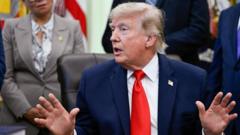
US President Donald Trump has just dropped a bombshell, folks! He announced that a preliminary deal to end the ongoing war with Iran is already signed and sealed. This revelation came during his discussions with French President Emmanuel Macron at the G7 summit on a bustling Monday. “I am very happy to say it’s signed, the deal is all signed,” Trump stated, and you can almost feel the weight of that statement. It’s a big deal! Senior officials from the US started revealing bits and pieces about this agreement, hinting that the crucial Strait of Hormuz will re-open this Friday. Yep, you heard that right – the same day the deal will officially be inked in Geneva.
Now, let’s dig into the nitty-gritty. Technical talks surrounding Iran’s nuclear program are expected to kick off this week. But hold on, any relief from sanctions or release of frozen assets will hinge on Iran sticking to its commitments under this deal. Vice-President JD Vance, while chatting with CNN’s Jake Tapper, mentioned that the memorandum of understanding (MOU) with Iran is “about a page and a half” long, and kind of general. He elaborated that many details will be hammered out during future negotiations. “On a number of issues, we are going to have to figure this stuff out during the technical negotiation phase,” he added.
So what’s in the first paragraph of this MOU? Well, it highlights that Iran will vow to uphold “regional peace and stability.” This means they are expected to stop funding terrorist organizations. And let’s not forget the most crucial part – they’ll have to commit to not developing nuclear weapons. Vance articulated that clearly, stating that this is a verified commitment.
Trump, Vance, and Iranian Parliament Speaker Mohammad Bagher Ghalibaf have all electronically signed the agreement. More juicy details are expected to drop by Wednesday, but Trump teased that the full text would be available “pretty soon” after Friday’s signing ceremony. “It’s a very powerful document, and I want it to be released. So probably pretty soon,” he said, leaving everyone on the edge of their seats.
Now, about that ceasefire – it’s set to last another 60 days, giving both sides time to negotiate the final agreement. Pakistan’s Prime Minister Shehbaz Sharif, who played the role of mediator, announced that this deal includes an “immediate and permanent termination of military operations on all fronts, including in Lebanon.” However, US officials clarified that while Lebanon is part of the ceasefire framework, Israel’s withdrawal from Lebanese territory isn’t a deal condition. They emphasized that Israel retains its right to self-defense.
And speaking of Israel, Prime Minister Benjamin Netanyahu made a statement on Monday evening, asserting that Israeli forces will remain in security zones in Lebanon, Syria, and Gaza “as long as necessary.” He maintained that Iran will not be permitted to develop nuclear weapons, deal or no deal. Meanwhile, Lebanese media reported a deadly Israeli strike on a vehicle in the south, marking the first such incident since the peace deal was announced. In retaliation, Hezbollah fired missiles and drones at Israeli forces.
Trump also said he’s given the go-ahead to lift a US naval blockade of Iranian ports. He tweeted on Monday that “ships are starting to move, many loaded up with Oil, out of the Strait of Hormuz.” Iran’s deputy foreign minister Kazem Gharibabadi confirmed the end of military operations during a phone call on Iranian state TV, framing the framework deal as a major win for Iran. He disclosed that Qatari mediators engaged in lengthy discussions, nearly 14 to 15 hours, to achieve this initial agreement.
The Iranian military command declared victory, suggesting they have shown the US and Israel that they have no choice but to accept defeat. However, Iran’s foreign ministry expressed ongoing “deep mistrust” of the US, viewing the agreement as merely a step towards reducing tensions. Lebanese President Joseph Aoun welcomed the announcement, expressing hope for practical steps to definitively end the cycle of violence.
Key points of contention in the past have revolved around Iran’s nuclear enrichment and the insistence from Western nations that Iran should not possess nuclear weapons. Iran, on the other hand, has been pushing for comprehensive sanctions relief and access to the billions of dollars in frozen oil revenues. Leaders from the UK, France, Germany, and Italy released a joint statement, reiterating that Iran “must never acquire a nuclear weapon” and that they are “prepared to lift relevant sanctions in response to clear, verifiable steps by Iran on its nuclear program.” UK Prime Minister Sir Keir Starmer called this announcement “a hugely important step forward in ending the war, ensuring regional stability and re-opening the Strait of Hormuz.”
But what does this mean for the future of the region? The aftermath of this war is still fresh, with thousands of lives lost. Experts are warning that the consequences will echo through the global economy for months to come. So, will this deal bring lasting peace, or are we just seeing the calm before another storm? Only time will tell…
Kaynak: Orijinal Haber