
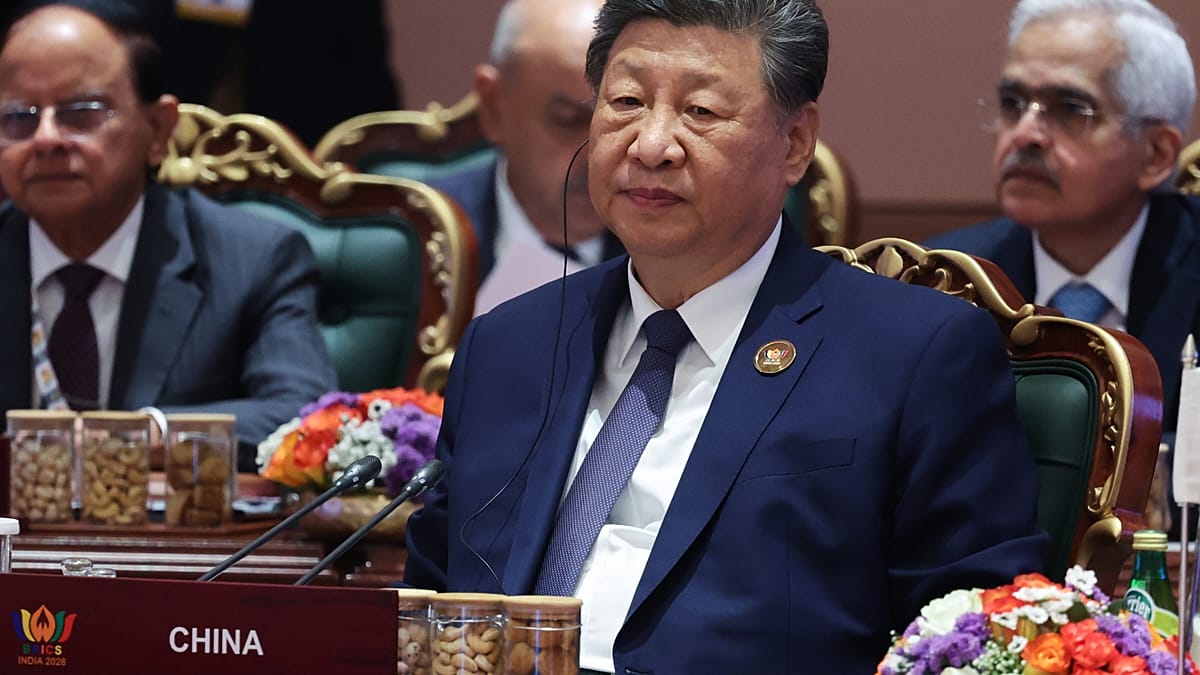
China’s Xi Jinping has recently put forth an ambitious proposal aimed at establishing an “open-source AI zone” for BRICS countries. This initiative is part of Xi’s broader vision for open-source and inclusive artificial intelligence, a field where Chinese AI companies have made significant strides. Unlike their American counterparts, who tend to favor closed-door approaches, Chinese firms are producing world-leading open-source AI models. These models have their underlying code accessible for adaptation by users, which is a game-changer in the tech landscape.
The proposal emphasizes the need for “specialized research and training on AI” tailored specifically for BRICS nations. The ultimate goal? To build an open ecosystem for AI that promotes a broad, consensus-based global governance framework. This is particularly crucial as global concerns rise about losing control over rapidly evolving technologies. As AI continues to advance at lightning speed, the world is left grappling with the implications of such powerful tools.
Xi Jinping is expected to visit the United States this month, where he will engage in discussions with President Donald Trump. AI governance is anticipated to be a key topic during their talks, especially as fears mount that the pace of technological development could outstrip regulatory frameworks. The stakes are high; ensuring that these innovations benefit all, rather than just a select few, is imperative.
In this context, the open-source initiative stands out as a move towards inclusivity in technology. By making AI models available for adaptation, the proposal could lead to greater collaboration and innovation among BRICS countries. It raises intriguing questions about how different nations can work together to harness the power of AI while maintaining ethical standards and safety protocols.
As the global conversation around AI intensifies, one can’t help but wonder about the future of international cooperation in this field. Will other nations follow China’s lead, or will the divide between open and closed systems continue to grow? The outcomes of these discussions could shape the future of technology as we know it.
Kaynak: Orijinal Haber