
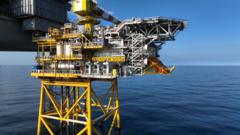
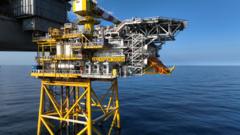
The UK government is on the verge of approving the much-debated Jackdaw gas field, situated just east of Aberdeen in the North Sea. This decision could come as early as mid-September, right before Parliament takes a break for party conference season. The Jackdaw project, which was initially green-lighted by the previous Conservative government in 2022, faced delays due to a Scottish court ruling. Environmental groups argued that the project was approved without a thorough examination of its potential climate impact.
Now, with tensions rising over energy security due to conflicts abroad, the urgency for domestic gas production has intensified. Estimates suggest that the Jackdaw gas field could emit around 35.8 million tonnes of carbon over its expected 11-year operational lifespan. That’s a staggering figure, equating to about 90% of Scotland’s energy security as global supply chains remain under threat.
Supporters of the Jackdaw project are adamant that it’s necessary for the UK’s energy independence. They emphasize that almost all gas extracted from the North Sea is used domestically, unlike its oil, which is primarily exported and reimported in various forms. The UK relies heavily on gas imports, with over 60% coming from Norway and the United States. The current energy landscape is precarious, with wholesale natural gas prices hitting a three-year high due to the ongoing war in Iran, raising alarm bells about energy security ahead of the winter.
Gas storage levels in Europe are notably low for this time of year, as countries postponed stockpiling during the summer, hoping for a resolution to international conflicts. Now, they face the dilemma of either rushing to secure gas supplies or risk facing even higher prices as temperatures drop. Interestingly, while approval for Jackdaw might not translate to immediate reductions in domestic gas prices, it could offer a more environmentally friendly option compared to the liquefaction, shipping, and regasification processes involved with imported liquefied natural gas (LNG).
Chris, an industry expert, pointed out that the reliance on imported fossil fuels makes domestic production imperative, saying, “It’s just a fact.” He highlighted that increasing supply in a market with fixed demand should ideally lead to a price decrease, though he acknowledged some experts believe it won’t significantly alter the UK energy supply landscape.
Meanwhile, critics of the project argue that the focus should be on the pressing issues of climate change and the ongoing environmental crises—like wildfires and floods—that are affecting communities both at home and abroad. They believe the oil and gas industry’s demands are self-serving and should not overshadow the urgent need for a transition to cleaner power sources.
The North Sea continues to be a crucial national asset, and as debates heat up, it seems oil and gas will play a significant role in the UK’s energy mix for years to come—even as the country grapples with the need for a greener future.
And now, with the Jackdaw project nearing approval, what does the future hold for the UK’s energy strategy? Will it pave the way for a more sustainable approach, or will it merely be a short-term fix amid a growing crisis?
Kaynak: Orijinal Haber
Vay be, enerji krizi derinleşirken bu tartışmalı Jackdaw gaz sahası onayı önemli bir adım olabilir. Umarım çevreye zarar vermeden enerji ihtiyacımızı karşılarız.