Controversial Jackdaw Gas Field Approval Looms as Energy Crisis Deepens

The UK government is on the verge of approving the much-debated Jackdaw gas field, situated just east of Aberdeen in the North Sea. This decision cou

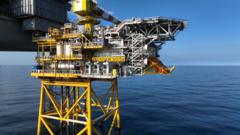
The UK government is on the verge of approving the much-debated Jackdaw gas field, situated just east of Aberdeen in the North Sea. This decision could come as early as mid-September, right before Parliament takes a break for party conference season. The Jackdaw project, which was initially green-lighted by the previous Conservative government in 2022, faced delays due to a Scottish court ruling. Environmental groups argued that the project was approved without a thorough examination of its potential climate impact.

Now, with tensions rising over energy security due to conflicts abroad, the urgency for domestic gas production has intensified. Estimates suggest that the Jackdaw gas field could emit around 35.8 million tonnes of carbon over its expected 11-year operational lifespan. That’s a staggering figure, equating to about 90% of Scotland’s energy security as global supply chains remain under threat.

Supporters of the Jackdaw project are adamant that it’s necessary for the UK’s energy independence. They emphasize that almost all gas extracted from the North Sea is used domestically, unlike its oil, which is primarily exported and reimported in various forms. The UK relies heavily on gas imports, with over 60% coming from Norway and the United States. The current energy landscape is precarious, with wholesale natural gas prices hitting a three-year high due to the ongoing war in Iran, raising alarm bells about energy security ahead of the winter.

Gas storage levels in Europe are notably low for this time of year, as countries postponed stockpiling during the summer, hoping for a resolution to international conflicts. Now, they face the dilemma of either rushing to secure gas supplies or risk facing even higher prices as temperatures drop. Interestingly, while approval for Jackdaw might not translate to immediate reductions in domestic gas prices, it could offer a more environmentally friendly option compared to the liquefaction, shipping, and regasification processes involved with imported liquefied natural gas (LNG).

Chris, an industry expert, pointed out that the reliance on imported fossil fuels makes domestic production imperative, saying, “It’s just a fact.” He highlighted that increasing supply in a market with fixed demand should ideally lead to a price decrease, though he acknowledged some experts believe it won’t significantly alter the UK energy supply landscape.

Meanwhile, critics of the project argue that the focus should be on the pressing issues of climate change and the ongoing environmental crises—like wildfires and floods—that are affecting communities both at home and abroad. They believe the oil and gas industry’s demands are self-serving and should not overshadow the urgent need for a transition to cleaner power sources.

The North Sea continues to be a crucial national asset, and as debates heat up, it seems oil and gas will play a significant role in the UK’s energy mix for years to come—even as the country grapples with the need for a greener future.

And now, with the Jackdaw project nearing approval, what does the future hold for the UK’s energy strategy? Will it pave the way for a more sustainable approach, or will it merely be a short-term fix amid a growing crisis?

Kaynak: Orijinal Haber
Controversial Jackdaw Gas Field Approval Expected Soon

The UK government is on the brink of approving the Jackdaw gas field, located off the coast of Aberdeen, with sources suggesting that the green light

The UK government is on the brink of approving the Jackdaw gas field, located off the coast of Aberdeen, with sources suggesting that the green light could come as early as mid-September. This decision is crucial as it coincides with Parliament’s break for the party conference season. The project was initially greenlit by the former Conservative government back in 2022 but faced delays due to a legal ruling from a Scottish court, which found that environmental concerns regarding climate impacts were not adequately addressed during the initial approval process.

Environmental groups have raised alarms about the Jackdaw gas field, arguing that its peak production would only contribute about 2% to the UK’s energy needs. Legal challenges were mounted following the project’s approval, especially after the Rosebank oil field off Shetland received the go-ahead in 2023. The Court of Session in Edinburgh determined that both Rosebank and Jackdaw had been improperly approved, citing the government’s failure to consider the climate impact of burning the fossil fuels extracted from these sites. A judge mandated that more detailed climate assessments be conducted, and those updated estimates were released for public consultation in July.

Both Jackdaw and Rosebank are operated by Adura, a joint venture between Shell and Norwegian energy companies. The emissions projected for 2023 from these fields are concerning, with estimates suggesting around 23.6 million tonnes, which is roughly 60% of the total forecast for the year. Environmentalists are unequivocal in their stance that increased drilling would be detrimental, hampering efforts to reduce carbon emissions that contribute to climate change. They argue that commencing production would not enhance energy security and that a quicker transition to greener technologies would be more beneficial in supporting job creation.

Industry advocates, on the other hand, contend that launching production at Jackdaw and Rosebank would generate essential employment opportunities and bolster the UK’s energy output. They emphasize that this is vital for sustaining other North Sea infrastructure, such as Shearwater, a significant offshore oil and gas production hub. Adura claims that if approval is granted in September, gas from the Jackdaw field could begin reaching UK homes by this winter, asserting that construction is nearly complete at 99%.

Despite the optimistic projections, the UK remains heavily reliant on gas imports, sourcing over 60% from Norway and the United States. This year, wholesale natural gas prices have skyrocketed due to geopolitical tensions, particularly the ongoing conflict in Iran, resulting in prices hitting a three-year high. Gas storage levels across Europe are lower than usual for this period, as many countries postponed stockpiling in hopes of a resolution to the conflict before winter set in. Now, they face a dilemma: rush to secure gas supplies or risk paying higher prices when winter arrives.

Though the approval of Jackdaw might not directly reduce gas costs for consumers, extracting gas domestically could lower greenhouse gas emissions compared to importing liquefied natural gas (LNG). Campaigners, including Tessa Khan, executive director of environmental group Uplift, argue that more drilling in the North Sea wouldn’t lower energy bills and would make minimal impact on the UK’s energy supply. She highlighted the pressing issues at hand, from wildfires and droughts affecting UK farmers to devastating floods in Nepal, asserting that the focus should remain on tackling climate change rather than catering to the interests of oil companies.

The North Sea remains an invaluable resource, and while oil and gas will continue to play a significant role in the UK’s energy landscape, there is an urgent need to transition towards cleaner energy solutions to safeguard jobs and address the climate crisis. As the debate intensifies, the Jackdaw project is at the center of a larger discussion about the future of energy in the UK and the pressing need for sustainable practices.

Kaynak: Orijinal Haber

Jackdaw Gas Field Approval Crucial for Winter Energy Security!

Adura’s chief executive, Neil McCulloch, has thrown down a serious warning about the UK’s energy future. If the Jackdaw gas field isn’t approved soo

Adura’s chief executive, Neil McCulloch, has thrown down a serious warning about the UK’s energy future. If the Jackdaw gas field isn’t approved soon, we’re looking at some major fuel shortages this winter. I mean, when you think about it, starting from October 1, the nation’s gas needs become hyper critical. With just about eight days of gas storage left, the UK could find itself in a pretty tight spot during a gas supply emergency… And that’s not just talk; it’s a real possibility that has campaigners in a tizzy.

Last week in London, activists were practically shouting at Andy Burnham, urging him not to let the North Sea open up to new oil and gas projects. Yet, McCulloch’s perspective is clear: “If I were the Secretary of State for Energy Security and Net Zero, I’d be looking closely at where’s my next source of energy security, and you’re standing on it.” The wells for Jackdaw are drilled and ready to go, and they could be pivotal for this winter’s gas supply… But, of course, the debate rages on.

Tessa Khan, the executive director of the campaign group Uplift, highlighted the urgency, saying Jackdaw could be crucial for meeting the country’s annual gas demand during its operational lifespan. And if you look around, the climate crisis is hitting hard, with record-breaking heatwaves reminding us of the pressing need to tackle climate change. But here we are, in the middle of a fierce argument about whether to keep investing in fossil fuels or shift our focus to renewables.

Now, let’s talk about Burnham for a second. As he preps for a big move to Downing Street, he’s feeling the heat from within his own Labour party to green-light more oil exploration. Former Prime Minister Tony Blair and union leaders are all in the mix, pushing for the North Sea to open up for business again. But here’s the kicker: declining oil and gas resources are happening quicker than we all thought, and the renewables sector isn’t quite ready to pick up the slack when it comes to jobs…

And yeah, while some in Westminster are calling for a new era of energy exploration, others like Nicola Sturgeon and Humza Yousaf are firmly against it. They’ve made it clear that new developments like Rosebank and Jackdaw should only move forward if they align with the UK’s climate goals. Meanwhile, John Swinney, the current First Minister, is caught in the middle, trying to balance the demand for energy with climate compatibility…

But here’s a question worth pondering: Would drilling every last drop of oil and gas really keep our energy bills down? Ed Miliband, a prominent Labour figure, has crafted a policy that leans heavily on renewable energy—think wind, wave, and solar—while remaining skeptical about new oil and gas projects. He’s made it clear that while oil and gas will still play a role in the UK’s energy landscape, we can’t just rely on them blindly.

And in the backdrop of all this, the Conservatives are using the energy debate as a political weapon, claiming their recent victory was a referendum on oil and gas. Tory leader Kemi Badenoch made it clear that voters want stability in energy supply, hinting that renewables just aren’t ready yet. It’s all a bit of a juggling act, with the country’s energy security hanging in the balance…

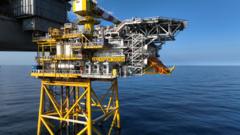
Back at Jackdaw, preparations are ongoing despite the heated discussions. Four massive columns are waiting to receive high-pressure gas from deep below the seabed, just about 5 kilometers down. This isn’t just any gas project; it’s a complex engineering marvel that deals with extreme pressures and temperatures. We even spotted the giant pipe that connects back to the existing Shearwater field, where the gas will be processed before making its way to the St Fergus terminal in Aberdeenshire.

Now, while the weather was calm during our visit to Jackdaw, the atmosphere surrounding this field is anything but. There’s a storm brewing over how we power the nation, and with new climate assessments and court rulings declaring some oil and gas field consents unlawful, the stakes couldn’t be higher. So, what’s going to happen next? Are we going to see more approvals, or will the push for renewable energy finally take the lead? The debate is far from over…

Kaynak: Orijinal Haber