
US Imposes New Tariffs: Forced Labour Concerns Ignite Trade Tensions
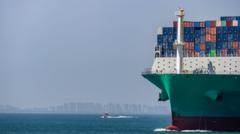
The US has announced a new wave of tariffs ranging from 10% to 12.5% on a large number of countries, covering nearly all of its imports. This decision comes amid growing concerns that these nations are not doing enough to combat forced labour practices. It marks the second time the Trump administration has introduced new import taxes after the US Supreme Court invalidated several previous tariffs back in February. The US Trade Department made it clear that these tariffs are a response to the failure of these countries to adequately address the importation of goods produced with forced labour.
Countries like the UK claim they are taking steps to tackle forced labour, while China outright denies that any of its goods are produced under such conditions. Meanwhile, the European Union has condemned the tariffs as unwarranted. An analyst from India weighed in, suggesting that this move is merely a pressure tactic as trade negotiations between the involved countries are ongoing. Human rights organizations argue that forced labour is indeed a reality in China, emphasizing that countries like the UK need to do more to ensure that businesses are not complicit in these violations. However, they have also raised doubts about whether US tariffs are an effective means of addressing the issue.
The list of 60 trading partners affected includes major players like the UK, EU, Canada, India, and Japan, which together account for a significant portion of goods sold to the US. The US government’s position is that engaging in trade with countries that use forced labour puts American workers at a disadvantage. Jamieson Greer, the US Trade Representative, voiced that this situation creates an uneven competitive landscape for American workers.
As of now, the proposed tariffs have yet to be enforced, and the Trump administration will need to follow a formal procedure to implement them. This development follows a March investigation led by Greer, which scrutinized the 60 trading partners to determine if they failed to act against forced labour. The report concluded that 54 of these countries had not imposed legal restrictions against importing goods made with forced labour and had failed to enforce such prohibitions effectively. Six other nations, including Canada and the EU, were also noted for not enforcing the forced labour import bans adequately.
The trade department announced that it would impose 10% tariffs on imports from Canada, the EU, the UK, Indonesia, Mexico, Pakistan, Argentina, Bangladesh, Cambodia, El Salvador, Guatemala, Malaysia, and Taiwan. The remaining 45 countries, including China and India, will face the higher rate of 12.5%. A spokesperson for the UK government stated, “We’re tackling forced labour in the UK and in global supply chains to ensure UK businesses are not complicit in forced labour and human rights violations,” highlighting ongoing dialogues with the US administration about their actions.
Peter Frankental, Amnesty International’s business and human rights director, pointed out that while trade measures can contribute to addressing forced labour risks, they are not a replacement for robust enforcement, corporate accountability, and mandatory human rights due diligence. He stressed that the UK government has significant room for improvement regarding its own practices. The UK’s Independent Anti-Slavery Commissioner echoed these sentiments, arguing that current UK laws do not do enough to combat forced labour in supply chains, with estimates suggesting that the UK imports around £20 billion worth of goods linked to forced labour each year.
Canadian Prime Minister Mark Carney remarked that the new tariffs were “not a surprise” and would not significantly affect the majority of Canadian exports to the US. On the other hand, China has condemned the unilateral tariffs, denying any existence of forced labour in the country. A spokesperson from the Chinese foreign ministry stated, “There is no so-called forced labour in China, and we oppose using this as an excuse for political manipulation.” However, numerous international human rights organizations have reported that forced labour does occur in China, particularly affecting Muslim ethnic minorities in Xinjiang.
The European Commission has reaffirmed the EU’s commitment to the trade agreement established with the Trump administration last year, with a spokesperson declaring that the tariffs imposed on these grounds are unjustified. Ajay Srivastava from the Global Trade Research Initiative in Delhi argued that India should challenge the legal grounds for these proposed tariffs, as they may overextend the scope of Section 301 of US trade law, which allows for investigations and penalties against foreign trade practices deemed unfair. He suggested that this move is part of broader US pressure tactics and should be viewed separately from ongoing trade negotiations.
The Trump administration has not made any new tariff announcements since February when the Supreme Court ruled against the so-called “Liberation Day” tariffs imposed by Trump on various countries in April 2025 as unlawful. Trump criticized the ruling as “terrible,” labeling the justices who rejected his trade policy as “fools.” Following the ruling, Trump introduced a temporary global tariff of 10%, later revised to 15%, though it ultimately remained at 10% and has yet to see an increase. This measure is set to expire in July unless Congress decides to extend it.
Kaynak: Orijinal Haber
Benzer Yazılar



Yorum Yap
Yorumunuz onaylandıktan sonra yayımlanacaktır. Lütfen argo içermeyen yorumlar gönderin.