
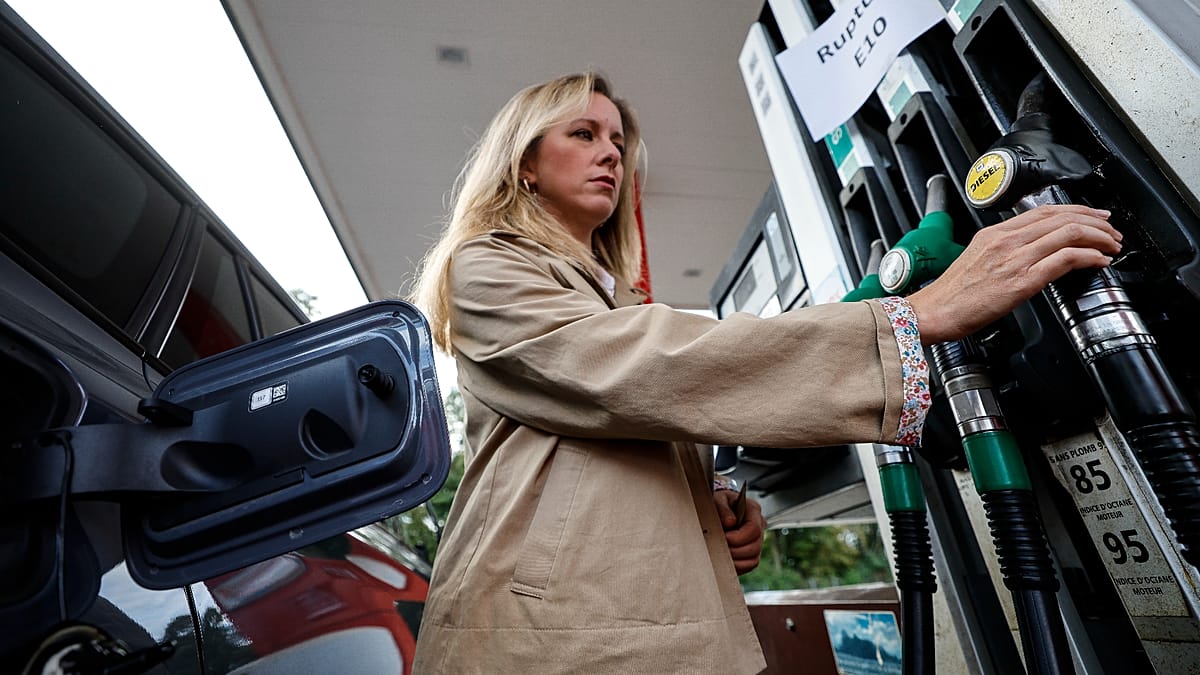
European governments, faced with unprecedented petrol and diesel prices, are scrambling to introduce various measures to shield their economies and households from the financial fallout. The ongoing conflicts in the Middle East and Ukraine have pushed many nations to rethink their fuel policies, resorting to subsidies and tax changes to combat soaring prices. According to the Organisation for Economic Co-operation and Development (OECD), seven out of the ten countries taking the most decisive actions to mitigate the economic damage are located in the European Union.
As tensions escalate, the European Commission President Ursula von der Leyen highlighted the urgency of these measures in her recent address. France, for example, has rolled out an extensive €450 million relief package aimed at cushioning both consumers and businesses heavily reliant on fuel. This package has expanded income-based aid, allowing around 5.5 million workers who drive significant distances for work to receive €100 payments to help manage their fuel costs through the year’s end.
But that’s not all! The French government has also extended fuel subsidies for farmers, fishers, and construction companies until December, providing much-needed support as energy prices continue to rise. Additionally, energy vouchers ranging from €48 to €277 will be available early to assist 5.8 million families with their winter energy bills. President Macron has even urged the EU to consider relaxing fuel quality regulations to ramp up diesel and kerosene production.
Meanwhile, in Germany, a two-month round of fuel tax cuts came to an end in June. However, just last week, the government announced a renewal of these cuts, reducing petrol and diesel prices by 17 cents per liter from October 1st until the end of the year. This move will cost the government approximately €2.5 billion. They are also in discussions with the oil industry about potentially introducing a fuel price cap by January.
The situation in Belgium and Luxembourg is somewhat stable, as they have maintained similar price caps for decades. Spain, too, is stepping up, with plans to make 400 million barrels of oil from emergency stockpiles available to the market. On a broader scale, the EU is attempting to lessen its dependency on Russian energy by ramping up renewable energy production and transitioning various sectors from fossil fuels to electricity.
However, recent developments have raised concerns. The EU’s support for a ban on U.S. diesel exports, aimed at lowering domestic prices, could lead to complications as it would require the bloc to seek alternative fuel sources. Brussels is actively lobbying Washington to reconsider this move, emphasizing the strength and mutual benefits of EU-U.S. energy cooperation. “Any disruption could negatively impact both sides,” officials warned.
As these governments continue to grapple with the economic consequences of rising fuel prices, one can’t help but wonder: how long can these measures sustain the burden on consumers? The battle against fuel price shocks is far from over.
Kaynak: Orijinal Haber