EU Fuel Prices Skyrocket: Diesel Margins Set to Peak in October

Filling up a car has never cost more on average across the European Union, with recent data revealing shocking figures. As of mid-September, it takes

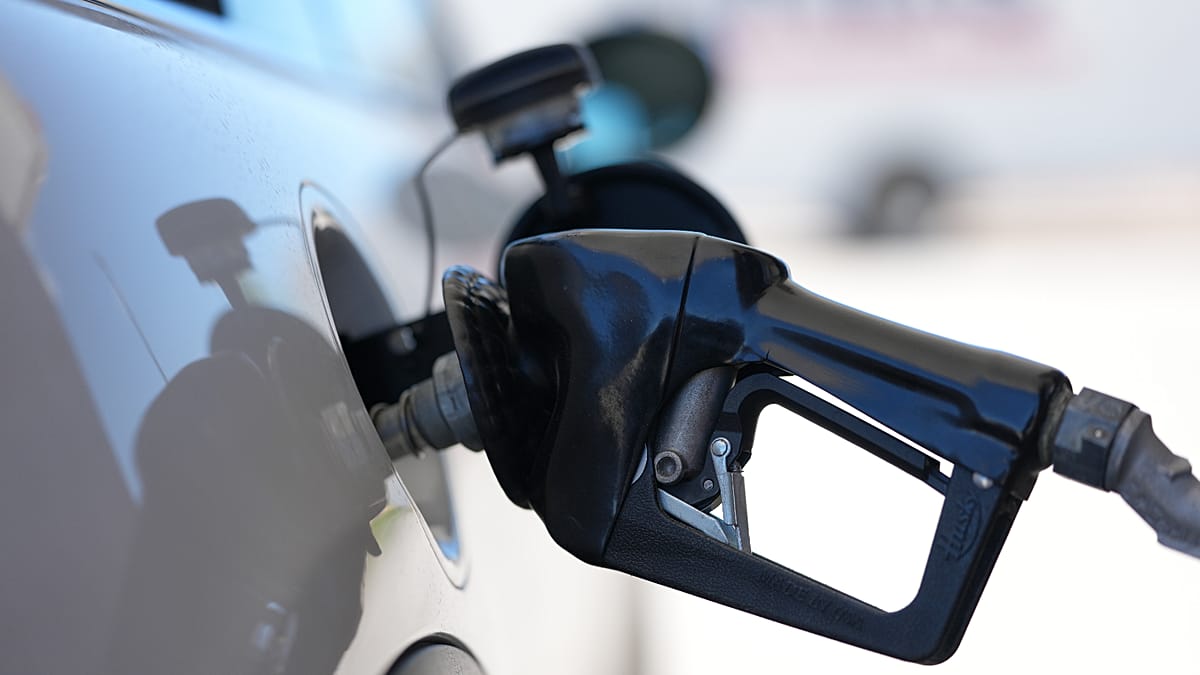
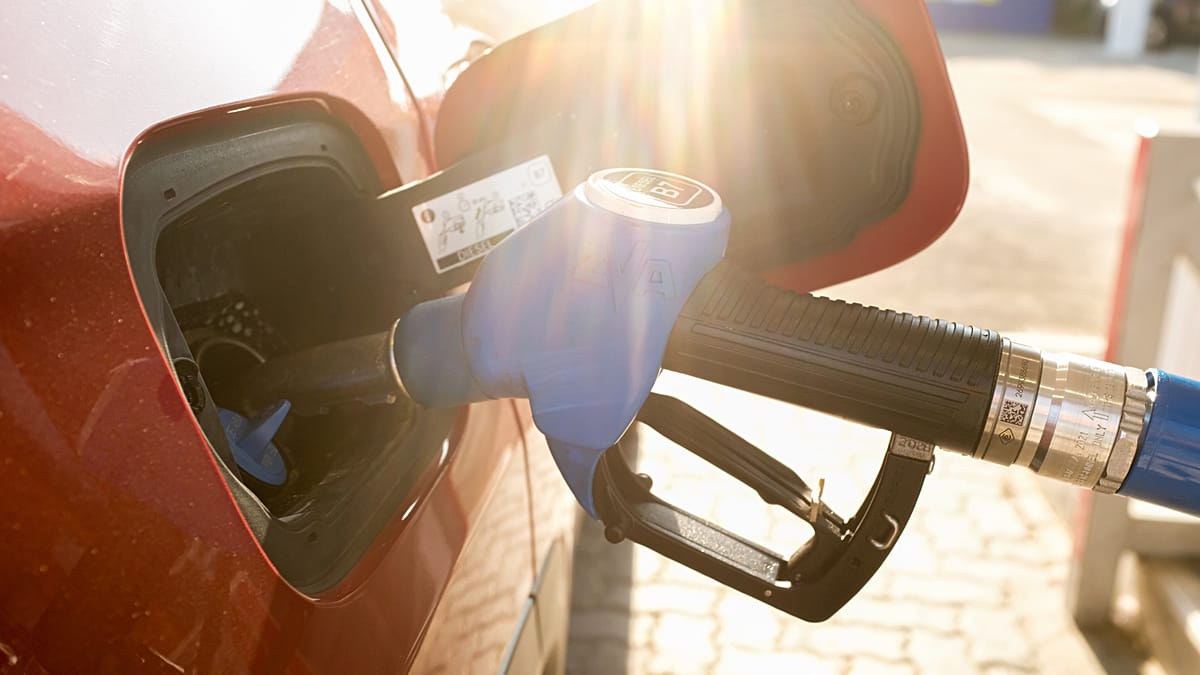
Filling up a car has never cost more on average across the European Union, with recent data revealing shocking figures. As of mid-September, it takes about €103 to fill a standard 50-litre petrol tank and a staggering €108 for diesel. Retail fuel prices have soared since the conflict in the Middle East began, intensifying inflationary pressures across the region. Eurozone energy inflation surged to 14.3% in August, compared to 10.3% in July, as reported by the European Central Bank.

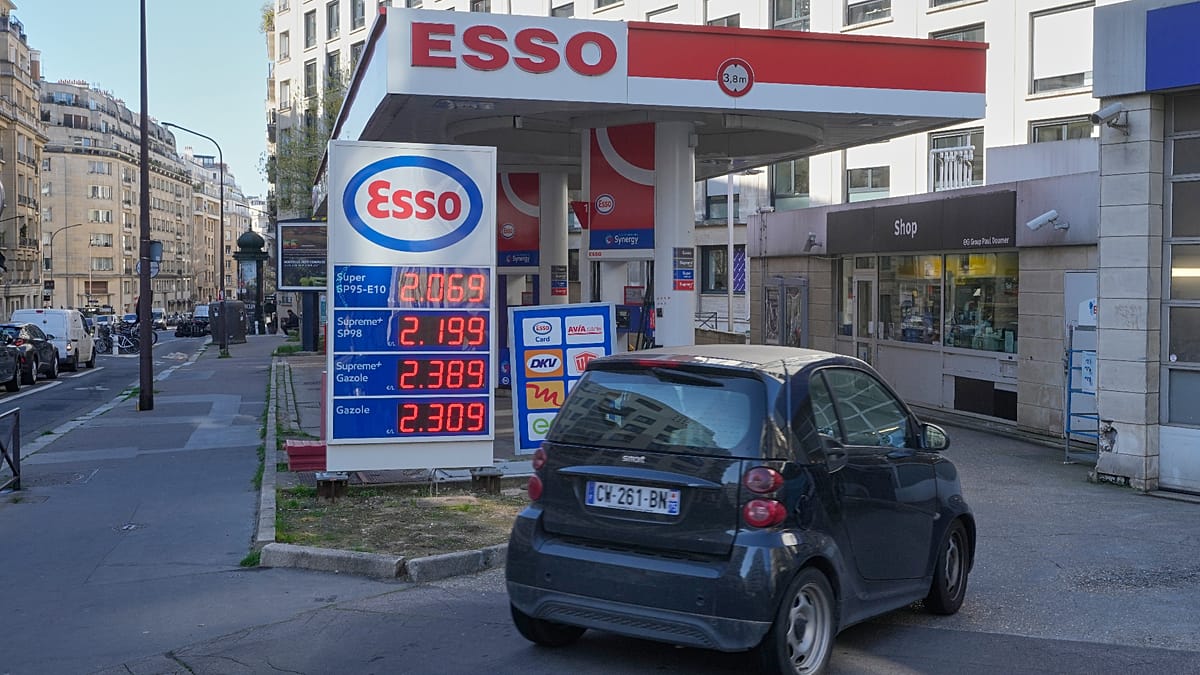
On September 14, a litre of petrol was priced at a weighted EU average of €2.063, while diesel hit €2.159 per litre—marking the highest levels recorded since the European Commission began tracking prices in 2005. Yahu, can you believe it? The previous peak for petrol was in 2022, and diesel was last near this price in April this year. Prices are all over the place across the EU—cheapest in Malta at €1.34 per litre, while Denmark tops the list with a shocking €2.56. For diesel, Malta offers the lowest at €1.21, and Finland charges up to €2.51. These figures were documented in the European Commission’s latest Weekly Oil Bulletin, which was published on September 17 and reflects prices from September 14, taxes included.

Fuel prices have been on an upward trajectory since late February when the war with Iran disrupted energy flows through the critical Strait of Hormuz. International benchmark Brent crude prices climbed above $126 at the height of the conflict and were trading at over $104 per barrel for the following month on Friday. Before the war, Brent was around $72 per barrel!

European crude supplies are facing more hurdles after Saudi Aramco informed at least two European refiners that they would not receive oil under long-term contracts in October, following an attack on a key pipeline to the Red Sea. This information was reported by Bloomberg, citing sources familiar with the situation, and it seems this applies to all European buyers. But hang on, that’s not the whole story! It’s not just international crude prices pushing petrol and diesel rates up; refining costs and margins have also spiked, applying more pressure at the pump.

Refining margins reflect the gap between crude oil costs and the prices of refined products like petrol and diesel. While petrol margins seem to have peaked, experts from the ECB have noted that diesel margins are expected to hit their highest point in October. “Looking ahead,” they said, “the margin for diesel is anticipated to peak in October based on refined diesel futures from LSEG on September 16. Petrol margins, however, peaked in August.” Since the start of 2026, the average petrol price in the EU has surged by about 29%, and diesel has skyrocketed by nearly 40%.

Higher crude prices are also stoking energy inflation across the eurozone and the broader EU. A blog by the ECB published in July stated that increases in crude oil prices typically reflect fully in pre-tax pump prices within one or two months. Governments can buffer the impact temporarily with measures like cutting fuel duties. In the ECB’s July calculations, crude oil accounted for less than a quarter of the euro-area pump price. The rest includes refining and distribution costs, excise duties, and VAT, which helps to explain the significant price disparities between countries.

That same blog indicated that excise duties and VAT together represented around 44% of the euro-area diesel price and 52% of the petrol price in July. Those ECB experts also revealed that refining margins are significantly contributing to diesel prices now. “At the moment, we estimate that in the third week of September, refining margins contributed €0.41 (19% of the pump price) and €0.17 (8%) per litre to the retail diesel and petrol prices in the euro area, respectively.”

The ECB’s monetary policy statement from September 10 cautioned, “Renewed disruption of energy supplies could cause energy prices to rise further and for longer than currently expected.” Experts emphasized that the end of the Middle East conflict and the resumption of energy and refining flows would be crucial for bringing prices down. “For petrol and diesel prices to decline, we need the war in the Middle East to stop, a normalization of flows through the Strait of Hormuz, and a restoration of global refining activities to rebuild oil inventories,” they said.

Could this normalization happen soon and lead to lower crude oil and fuel prices? However, disruptions to Russian refining capacity might keep margins high, even if the Middle East conflict is resolved. Well, that’s the situation for now; let’s keep an eye on how this all unfolds…

Kaynak: Orijinal Haber
Italy’s Last Diesel Discount Extended: What Comes Next?

Italy’s Council of Ministers has taken a significant step by approving a new fuel decree law, extending the 17-cent discount on diesel fuel prices fo

Italy’s Council of Ministers has taken a significant step by approving a new fuel decree law, extending the 17-cent discount on diesel fuel prices for an additional week. This reduction will now last until Thursday, September 17. This means that drivers will see a tangible benefit at the pump, with the tax cut translating into a lower price of approximately 17 cents per litre, once VAT is factored in. However, this move comes at a cost of around 80 million euros to the government.

According to sources within the government, this extension is expected to be the last of its kind, aimed at providing relief to all consumers. In a shift towards more targeted assistance, if the government decides to intervene again on fuel after September 17, it will focus on measures that support low-income groups and those who rely on fuel for their jobs.

From March until now, the government has shelled out approximately 2.6 billion euros in repeated cuts to excise duties and support for road haulage through a tax credit for fuel purchases. This substantial spending reflects the ongoing challenges faced by Italian consumers and businesses alike. Inside the governing coalition, the League party is advocating for future measures to be funded through a tax on the windfall profits of oil companies, while their counterparts in Forza Italia are pushing back against this idea.

So, what does this mean for the average Italian? Well, with the price of diesel fuel being a critical factor for many households and businesses, the stakes are high. Imagine the relief for drivers filling up their tanks, knowing they’ll pay less for fuel—at least for now. But as the government prepares to shift its focus, many are left wondering how future support will be structured.

What’s next for fuel prices in Italy? Are we witnessing the end of broad discounts, or will the government step in again with more targeted aid? It’s a developing story that certainly warrants close attention.

Kaynak: Orijinal Haber

Fuel Prices Soar in Portugal: Protests Erupt as Diesel Hits Record High

Portugal woke up to another rise in fuel prices, and this time, diesel has hit an all-time high. The price increase, which has been a trend througho

Portugal woke up to another rise in fuel prices, and this time, diesel has hit an all-time high. The price increase, which has been a trend throughout the year, led to protests at the country’s refinery in Sines, located in the Setúbal district. These protests, organized through WhatsApp and social media, were still going strong after lunchtime, with no end in sight. You could see cars with Portuguese flags on their bonnets honking their horns, creating a cacophony of discontent. According to the Lusa news agency, demonstrators were also brandishing placards that read “Enough of rising fuel prices” and “families cannot take any more”… It’s clear that the people are fed up!

Fuel prices have been climbing across Europe all year. In Germany, for instance, the Frankfurter Allgemeine reported that fuel prices reached a staggering peak, with petrol surpassing 2.203 euros per liter—an amount last seen in March 2022. But let’s face it, Portugal is among the countries grappling with the highest fuel prices. The fuel-prices website, which monitors fuel costs in 21 European nations, indicated that Portugal ranks 19th for the priciest petrol, trailing only behind France and Denmark. For diesel, Portugal found itself in 20th place out of 27 countries for petrol prices after tax… that’s quite the statistic, right?

As for diesel, Portugal ranked 19th in the EU, with Denmark leading the pack for the most expensive diesel, while Malta holds the title for the cheapest. The Portuguese Minister for Environment and Energy, Maria da Graça Carvalho, held a press conference later in the day, stating that the rising fuel prices align with trends seen across Europe. She drew comparisons with France and noted that Spain is an outlier in this scenario. The minister emphasized that the government isn’t profiting from this fuel crisis and denied any evidence of operators capitalizing on the situation.

She also mentioned that there’s no “rockets and feathers” effect at play—meaning price increases and decreases don’t happen unevenly. The findings suggest that price drops are not passed on to consumers as slowly or less fully as increases, which is consistent with trends in many countries within the European Union and the eurozone.

Furthermore, according to AFP, ministers from Portugal, Germany, Italy, Austria, Poland, and Spain have penned a letter to the Irish finance minister, urging that the situation be discussed at the upcoming meeting of finance ministers in Ireland, scheduled for September 18 and 19. Ireland currently holds the rotating presidency of the European Union, and it seems this conversation is more urgent than ever…

So, what’s next for the people of Portugal? Will the protests bring about any real change, or will fuel prices continue to rise unchecked? It’s a developing situation, and we’ll be keeping a close eye on it!

Kaynak: Orijinal Haber

Fuel Prices Surge Again: No Evidence of Profiteering, Says Study

Fuel prices are on the rise yet again, and this time, many Portuguese drivers are feeling the pinch in their pockets. With the ongoing conflict in t

Fuel prices are on the rise yet again, and this time, many Portuguese drivers are feeling the pinch in their pockets. With the ongoing conflict in the Middle East and shipping restrictions in the Strait of Hormuz, the volatility of fuel prices has been a hot topic lately. It appears that every time drivers fill up, they see the numbers shoot up like a rocket… but when it comes to price drops, well, it feels like they float down like a feather.

In response to these rising costs, Maria da Graça Carvalho, the Minister for the Environment and Energy, commissioned a thorough study from the Energy Services Regulatory Authority (ERSE). Now, you’d think with all this buzz, they’d find some dodgy dealings, right? But, according to the report, there’s no evidence of irregularities or profiteering in the fuel market. The study explained that the fluctuations in fuel prices can largely be attributed to international market changes. When costs skyrocket globally, local prices tag along, but when they fall, it takes a while for those savings to trickle down to the pumps. This “Rockets and Feathers” effect is something that many drivers have noticed, but it seems the authorities are saying it’s just business as usual.

And get this, many Portuguese are opting to cross the border to Spain to fill up their tanks. Why? Simply because prices are lower there! But don’t get too excited; it all boils down to taxes, as per ERSE. They emphasize that fuel price movements must always be viewed in conjunction with taxation, which can differ significantly between countries. The report even compared Portugal’s prices with those of other EU member states, shedding light on how taxes play a pivotal role in the pricing game.

Now, looking ahead, it seems things are about to get a little tighter. Projections from the Automóvel Club de Portugal (ACP) indicate that diesel prices will jump by 10 cents, while petrol will increase by 9 cents next week. If those forecasts hold true, diesel will hit around 2.068 euros per liter and petrol will reach about 1.977 euros per liter. This effectively wipes out any price drop we saw just last week. The situation is fluid, though—fuel prices can vary between different operators and filling stations, and these changes aren’t set in stone. They depend on market closures and potential adjustments to ISP by the government, which has been applying temporary discounts whenever prices exceed a certain threshold.

So, as you can see, the fuel price saga continues. With every visit to the pump, drivers are left wondering when it will end. Will we see any relief soon? Or are we in for a long road of rising costs? Only time will tell as we keep our eyes peeled for updates.

Kaynak: Orijinal Haber

Portugal to Enjoy a Significant Drop in Fuel Prices Next Week!

Starting next week, Portugal is set to experience a sharp decline in fuel prices, bringing much-needed relief to drivers across the country. As the

Starting next week, Portugal is set to experience a sharp decline in fuel prices, bringing much-needed relief to drivers across the country. As the government takes steps to ease the financial burden on citizens, reports indicate that the price per liter for both petrol and diesel will drop significantly, allowing motorists to save money at the pump. This news comes at a crucial time when many families are feeling the strain of rising living costs.

The expected decrease in fuel prices is attributed to a combination of factors, including a drop in international oil prices and government measures aimed at controlling inflation. Yahu, with the prices expected to fall by around 10 to 15 cents per liter, this is a real win for the everyday citizen. Just imagine filling up your tank and seeing the numbers go down instead of up! It’s a rare moment to celebrate in today’s economy…

According to sources, the government’s decision has been influenced by recent protests and public outcry over soaring fuel costs. The citizens have been vocal about their frustrations, and it seems their voices have finally been heard. The last few months have seen a rollercoaster of prices, making it difficult for families to budget for fuel. Now, with this drop, it’s like a breath of fresh air for many!

Residents are already expressing their excitement. “Finally, some good news! We’ve struggled with these prices for too long,” said one local driver. Another added, “It’s about time the government did something for us.” It’s clear that this decision resonates well with the public, and it’s igniting hope for better days ahead. But will this drop be enough to sustain the ongoing economic pressures? That’s the question on everyone’s lips…

As we look towards the coming week, many are eager to see how this price drop will impact their daily lives. Will it encourage more road trips or simply ease the burden of commuting? Only time will tell. In the meantime, drivers are encouraged to take advantage of these lower prices while they last, as the market can be unpredictable. Bakın, bu durumun devamını hep birlikte izleyelim…

Kaynak: Orijinal Haber