Thames Water’s Profits Surge After 40% Bill Hike Amid Growing Controversy

Thames Water has made a striking comeback, announcing a full-year profit after raising its customers’ bills by a whopping 40% just last year. This si

Thames Water has made a striking comeback, announcing a full-year profit after raising its customers’ bills by a whopping 40% just last year. This significant increase in charges has stirred quite a conversation among the public and stakeholders alike. But hold on, it’s not all sunshine and rainbows – the company’s net debt has ballooned to £18.5 billion from £16.8 billion. They claim they have sufficient debt funding to keep the business afloat “through to Q4 2026.”

Now, here’s where it gets a tad murky. The company’s lenders are apparently seeking some leniency regarding future pollution fines, all in exchange for writing off a staggering £9.4 billion of their debt pile and infusing new cash into the business. Thames Water has also stated on Wednesday that pollution incidents have decreased by 18%, which sounds good on paper. However, they only managed to hit a little over half of their performance targets, a clear sign that their operations may still be under strain.

But wait, there’s more! The firm disclosed that customer complaints soared by 77% over the past year, with complaints about bills making up more than three-quarters of the total. That’s a lot of unhappy customers, folks. It raises the question of whether the hefty bills are justifiable, especially when the money collected from these bills isn’t sufficient to fund the needed upgrades for their aging infrastructure, which has been historically underfunded. So, they’re left needing to borrow even more money, which, let’s be honest, doesn’t paint a pretty picture.

During a call with investors on Wednesday, the firm reiterated that their debt has indeed risen, but it seems like they’re trying to keep a brave face on a less-than-ideal situation. Meanwhile, Labour MP Andy Burnham is eyeing the Prime Minister seat expected to be announced on Monday, and he’s been vocal about his stance on Thames Water, calling for its nationalization.

Dr. Heather Smith, a senior lecturer in water governance at Cranfield University, hinted at a “possible outcome” for Thames Water. She mentioned that while this doesn’t equate to full nationalization, it could lead to selling it to a new buyer. Elsewhere in their official results, Thames Water reported that bonuses for bosses linked to polluting water have been banned, and they’ll be taking steps to prevent any bonuses disguised under different names. Now that’s a step, right?

With all these developments, it’s clear that Thames Water is navigating some choppy waters. The question remains: how will they balance profitability with customer satisfaction and environmental responsibility moving forward?

Kaynak: Orijinal Haber
UK’s £10bn PPE Waste: NHS Staff and Patients Risked Amid Covid Chaos

The National Health Service (NHS) staff and patients faced grave dangers during the pandemic due to a shocking lack of adequate personal protective e

The National Health Service (NHS) staff and patients faced grave dangers during the pandemic due to a shocking lack of adequate personal protective equipment (PPE). In fact, nearly £10 billion of taxpayers’ money was wasted as the emergency stockpile of PPE, designed to last for at least 15 weeks, was running dry by the end of March 2020. Hospitals were in desperate need of these supplies, yet only a third of the masks available in England were fit for purpose. The report highlighted a major failure in planning and execution, revealing that officials and ministers had never stress-tested their contingency plans.

As hospitals ramped up their demands, the government found itself caught off guard. The so-called “VIP lane,” which was intended to prioritize suppliers, turned out to be a misguided attempt that embedded unfairness in emergency procurement. This lack of fairness undermined public trust at a crucial moment when it was needed the most. The inquiry report concluded that it could have been much better if the supply of PPE had been aligned more closely with the actual demand.

Baroness Hallett, leading the inquiry, stated that while she did not find evidence of cronyism or corruption among ministers and officials during the awarding of PPE contracts, the public sentiment remained skeptical. Former cabinet office minister Michael Gove took to social media to dismiss allegations of corruption as “unfounded nonsense,” but he also accepted full responsibility for what he termed “honest mistakes.”

Despite the gravity of the situation, no criminal charges have been filed to date. The National Crime Agency (NCA) has indicated that investigations are ongoing, but the public is left wondering about accountability. A total of 48 witnesses provided oral evidence for this segment of the inquiry, including former health secretary Matt Hancock and Gove himself.

The inquiry’s recommendations call for a radical overhaul of the domestic industry strategy to ensure that such a catastrophic failure does not happen again. A spokesperson for the government acknowledged that the report made for difficult reading, emphasizing that they would carefully consider the findings moving forward.

As the dust settles on this inquiry, one can’t help but ask: what steps will be taken to prevent such a monumental waste of resources in future emergencies? Will the lessons learned from this report translate into real change, or will history repeat itself?

Kaynak: Orijinal Haber

Aston Villa Faces Backlash Over Controversial Visit Rwanda Sponsorship Deal

Aston Villa has found itself in hot water after inking a £20 million-a-year sponsorship deal with Visit Rwanda. Critics are warning the club that t

Aston Villa has found itself in hot water after inking a £20 million-a-year sponsorship deal with Visit Rwanda. Critics are warning the club that this partnership could be used by the Rwandan government as a means of sportswashing its questionable human rights record. Yahu, bu durum gerçekten dikkat çekici, değil mi? İnsanlar, bu tür anlaşmaların arkasındaki niyetleri sorgulamadan edemiyor.

Rwanda, son yıllarda uluslararası arenada, özellikle insan hakları ihlalleri ile gündeme gelmişti. Bu anlaşmanın, ülkenin imajını düzeltmek ve eleştirileri bastırmak için bir araç olarak kullanılabileceği ifade ediliyor. Hadi canım, böyle bir şey olmaz demeyin, çünkü bu tür taktikler birçok ülkede daha önce denendi. Adamlar, spor ve kültür gibi alanları kullanarak, halkın dikkatini başka yöne çekmeye çalışıyor.

Villa’nın bu anlaşmayı yapması, sadece kulübü değil, tüm futbol dünyasını etkileyebilir. Bakın, bu tür sponsorluklar çoğu zaman sadece maddi kazançlarla sınırlı kalmıyor. Spora ve kulüplere olan güveni zedeleyebilir, hatta taraftarlar arasında bölünmelere yol açabilir. Mesela, bazı taraftarlar bu anlaşmanın etik olmadığını savunarak kulübe karşı durabilir. İşin aslı şu; futbol, sadece bir oyun değil, aynı zamanda bir platform.

Bu noktada, kulüp yönetimi ne yapacak? Tepkileri göz ardı mı edecekler, yoksa bu anlaşmayı yeniden değerlendirecekler mi? Bunun yanı sıra, taraftarların da bu konuda ne düşündüğünü duymak önemli. İnanır mısınız, bazıları bu durumu fırsat bilerek kulübü protesto etmeye bile hazırlanıyor.

Sonuç olarak, Aston Villa’nın bu anlaşması, sadece finansal bir kazanç değil, aynı zamanda büyük bir etik soru işareti taşıyor. Bakalım, bu durum kulübün geleceğini nasıl etkileyecek? Gelişmeleri takip ediyoruz…

Kaynak: Orijinal Haber

Heating Oil Customers to Receive Compensation After Price Surge!

Heating oil customers who faced order cancellations and price hikes due to the recent US-Israel war with Iran will soon see some relief. The Competit

Heating oil customers who faced order cancellations and price hikes due to the recent US-Israel war with Iran will soon see some relief. The Competition Markets Authority (CMA) has announced that approximately 1,700 households, hit hard by these changes, could receive compensation of up to £350. It’s been a rough ride for many, as the conflict has severely disrupted energy transportation and production, leading to significant price increases.

When the war flared up in February, wholesale oil prices skyrocketed from around $70 a barrel to nearly $120 by the end of March. This drastic surge in costs didn’t spare UK heating oil prices, which also jumped during this tumultuous period. The CMA has been vocal about the need for better support for vulnerable consumers, indicating that some suppliers have already agreed to compensate affected customers. However, the CMA is also gearing up for legal action against those who are dragging their feet on this issue, which could lead to further complications.

Chancellor Rachel Reeves has also weighed in on the situation, emphasizing the need for swift action to protect consumers. Meanwhile, UKIFDA Chief Executive Ken Cronin has been speaking on behalf of heating oil suppliers, highlighting the challenges everyone is facing in the current market climate. Yet, the CMA hasn’t released specifics on how many suppliers have committed to compensating customers or the total number of households that will actually receive payouts. It remains unclear how much individual compensation will be, leaving many in the dark.

As reported, the BBC anticipates that more comprehensive details will be shared once the compensation scheme is officially underway. In a related note, some customers have already begun to find partial resolutions through their brokers, but many are still feeling the pinch after having to purchase oil at inflated prices elsewhere. It’s a tough spot for these households, and the uncertainty continues to loom large.

Bakalım, bu durumdan sonra ne olacak? Gelişmeleri takip ediyoruz…

Kaynak: Orijinal Haber

Swiss Android Users Shortchanged: Google’s Search Options Under Scrutiny!

Google’s practices are under the microscope as Swiss Android users are reportedly getting fewer search options compared to their counterparts in the

Google’s practices are under the microscope as Swiss Android users are reportedly getting fewer search options compared to their counterparts in the EU. This revelation has sparked concerns from regulators who argue that the absence of a required choice screen for Swiss users could limit the visibility of competing search engines during the setup of their devices.

Back in March 2020, the European Commission and Google reached an agreement mandating that a choice screen appear on all new Android devices shipped to the European Economic Area (EEA) and the UK. This was later reinforced by the Digital Markets Act (DMA), which compels “gatekeepers” like Google to provide users with choice screens and allow them to easily switch default settings they don’t prefer. Google was officially designated a gatekeeper in September 2023, expanding its choice screens in March 2024 to comply with these regulations.

However, no similar obligation exists for Swiss users, much to the surprise of Swiss officials who believed they wouldn’t need one. A recent assessment in 2023 directly challenges this assumption, highlighting the gap in digital market regulations between Switzerland and the EU. The Swiss government does have a platform law in the works, and the Federal Council opened a consultation in October 2025 regarding a Federal Act on Communication Platforms and Search Engines, which concluded in February. But here’s the catch – this bill is modeled after the EU’s Digital Services Act and focuses on content moderation and transparency, not default settings. Experts predict that this bill won’t even reach the Swiss parliament until late 2026 or early 2027.

As it stands, a preliminary investigation is underway to determine if there are grounds for a formal competition case against Google in Switzerland. Yahu, can you believe that? The gap in regulations might just be a goldmine for competition, but for now, Swiss users are left without the same options as their EU neighbors.

Bakalım bu durum ne olacak? Gelişmeleri takip ediyoruz…

Kaynak: Orijinal Haber

Spain Shocks France on Bastille Day: 2-0 Victory Secures World Cup Final Spot

Spain has done it! In a stunning performance, the Spanish national football team defeated France 2-0, spoiling the Bastille Day celebrations for the

Spain has done it! In a stunning performance, the Spanish national football team defeated France 2-0, spoiling the Bastille Day celebrations for the French and securing a coveted spot in the World Cup final. The match took place in the heart of the tournament, where every kick, every pass, and every cheer echoed the hopes of a nation.

From the very first whistle, it was clear that the Spanish team meant business. They took control of the game early on, showcasing a blend of skill, speed, and strategic play that left the French players scrambling. The crowd was electric, with fans on the edge of their seats as Spain pressed forward. It wasn’t long before the first goal came — a beautiful strike that sent the Spanish supporters into a frenzy. Can you believe it? The stadium erupted!

And then, just when the French thought they could mount a comeback, Spain struck again. The second goal sealed the deal, leaving the French team reeling. Yahu, the atmosphere was something else! You could feel the tension in the air as Spain defended their lead with tenacity. The French fans, who had arrived with high hopes and dreams of victory, were left stunned, questioning how their team had faltered on such an important day.

As the final whistle blew, the joy was palpable among the Spanish players and their supporters. They had not only won the match but had also dashed the hopes of their fierce rivals on a day celebrated for liberty and national pride in France. It was a victory that would be remembered for years to come, undoubtedly etched in the annals of football history.

But what does this mean for the future? Spain is now eyeing the ultimate prize — the World Cup trophy. With momentum on their side, who knows what could happen in the final? Will they continue to ride this wave of success, or will they face a new challenge that tests their mettle?

Kaynak: Orijinal Haber

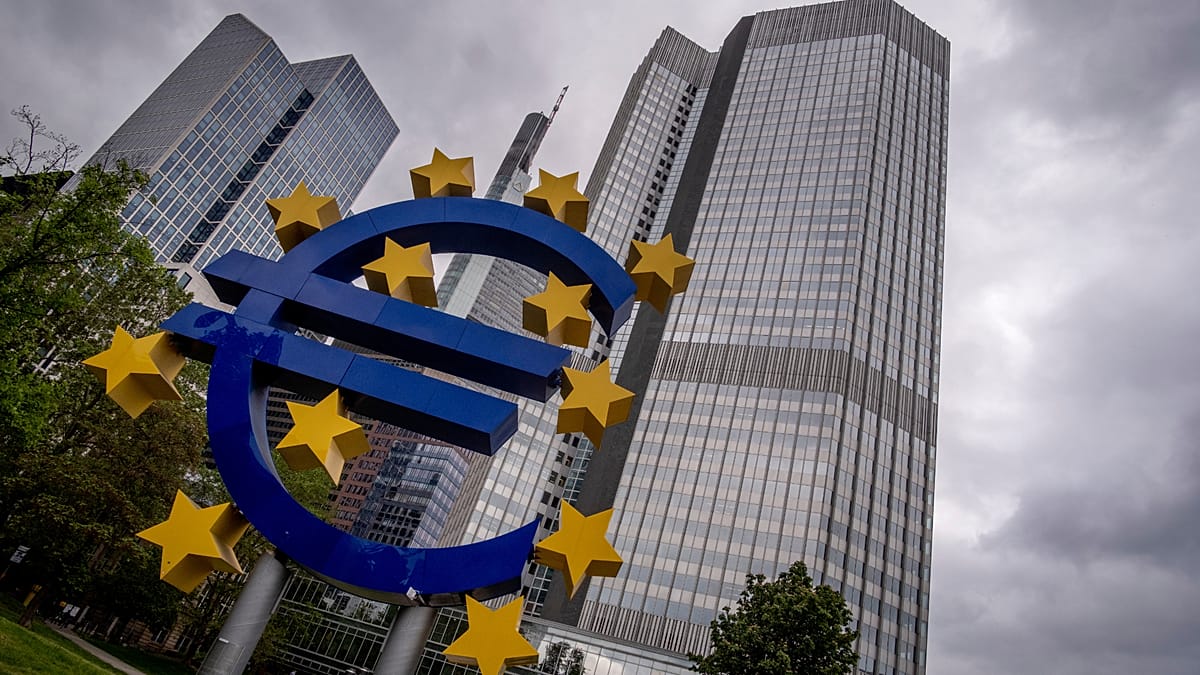
ECB Moves Forward with Digital Euro: 36 Payment Providers Selected for Pilot Program

The European Central Bank (ECB) has officially stepped up its digital euro initiative by naming 36 payment service providers that will play a crucial

The European Central Bank (ECB) has officially stepped up its digital euro initiative by naming 36 payment service providers that will play a crucial role in testing this future currency. This large-scale pilot program is set to kick off in the second half of 2027, and it’s a significant leap toward making the digital euro a reality. According to the ECB, these participants were chosen from a pool of over 50 applicants from across the euro area, showcasing a strong interest in this innovative project.

These selected providers will collaborate closely with the ECB and 19 euro area technical infrastructures. The goal? To evaluate person-to-person and person-to-business payments in both online and offline settings. This testing phase is vital, as no final decision will be made about issuing the digital euro without first gathering insights from these trials. With major players like Deutsche Bank, UniCredit, Revolut, Adyen, and Stripe in the mix, it’s clear this pilot is not just a small affair; it’s a serious undertaking by some of the biggest names in finance.

ECB Executive Board member Piero Cipollone emphasized that the enthusiasm shown by the payments industry indicates their readiness to actively contribute to shaping the project’s next steps. “The level of interest demonstrates that the payments industry is eager to engage and swiftly move forward with the digital euro project,” he said. This eagerness is particularly crucial as the ECB continues discussions with the European Parliament, the Council, and the European Commission to establish the legal framework necessary for the digital euro.

However, it’s important to note that the ECB has firmly stated it cannot issue the currency until EU lawmakers adopt the relevant legislation. Current plans suggest that formal approval might come in 2027, followed by the completion of the pilot and a potential public launch in 2029. But, of course, these timelines depend heavily on how the legislative process unfolds.

As for the digital euro itself, it’s designed to be available at no cost to consumers through regulated payment providers. The ECB is keen to address concerns about the potential disappearance of cash and the risk to privacy. Under the current plan, the digital euro won’t accrue interest, and there will likely be caps on holdings to prevent significant withdrawals from traditional bank deposits.

Speaking exclusively to Euronews last week, ECB President Christine Lagarde mentioned that both cash and the digital euro will hold legal tender status. This means, across Europe, someone can’t simply refuse to accept your banknotes. Additionally, she highlighted that the digital euro aims to bolster Europe’s strategic autonomy in payments, reducing dependence on foreign-owned payment networks.

So, what does this all mean for the average consumer? Is the digital euro going to change the way we handle money, or will it just coexist with cash? With these developments, it seems like a fascinating time ahead for the European financial landscape. Bakalım, bu süreçte neler olacak ve dijital euro gerçekten günlük hayatımıza nasıl etki edecek?

Kaynak: Orijinal Haber

Ann Widdecombe Murdered in Targeted Attack: Investigation Underway

A brutal attack on 78-year-old Ann Widdecombe has sent shockwaves through the community. The former MP for Maidstone in Kent was killed in her own ho

A brutal attack on 78-year-old Ann Widdecombe has sent shockwaves through the community. The former MP for Maidstone in Kent was killed in her own home, and police are treating the incident as a “targeted attack.” This tragic event unfolded recently, and authorities are delving deep into the motives behind this shocking crime.

The counter-terrorism chief made it clear that this has not been classified as a terrorist incident at this stage. However, the investigation is serious, with a focus on what could have driven someone to carry out such a heinous act. “I wouldn’t want to comment on what that motivation was,” stated a police spokesperson, leaving many questions unanswered. The public and Widdecombe’s family are left grappling with the distressing reality of this loss.

Widdecombe, who served for over two decades as an MP, was known for her outspoken views and vibrant personality. The news of her murder has impacted her family deeply, as highlighted by Home Secretary Shabana Mahmood during a House of Commons briefing. She mentioned that the suspect had no prior connections to the government, raising further concerns about the nature of the attack.

On the investigation front, counter-terror police have taken over, citing new information that led them to believe they needed to step in. As stated by police, “Based on new information, we felt it was appropriate that we took over the investigation.” This indicates that the case is evolving, and investigators are working tirelessly to uncover the truth behind this horrific event.

Witnesses reported that Widdecombe had appeared on Talk TV just 20 minutes before the attack, a chilling detail that adds to the timeline of events. The police commissioner defended the force’s response, emphasizing that their approach has been “substantial and professional.”

As the investigation unfolds, many are left wondering about the circumstances that led to this tragic event. What could have possibly motivated someone to target a beloved public figure? The community is on edge, and all eyes are on the police as they continue to piece together the details of this case.

Bakalım bundan sonra ne olacak? Gelişmeleri takip ediyoruz…

Kaynak: Orijinal Haber

Warren Buffett Cuts Ties with Bill Gates’ Charity Amid Epstein Controversy

Warren Buffett has decided to halt donations to Bill Gates’ charitable foundation just weeks after Gates acknowledged his connections to the late se

Warren Buffett has decided to halt donations to Bill Gates’ charitable foundation just weeks after Gates acknowledged his connections to the late sex offender Jeffrey Epstein. Buffett stated, “I irrevocably committed throughout my lifetime. Of course, mortality is unpredictable,” reflecting on the unpredictability of life and the implications of his financial support. This decision comes in the wake of Epstein’s past legal troubles being re-examined, which has raised eyebrows regarding Gates’ associations.

Buffett, who has contributed a staggering $47 billion (£35 billion) to Gates’ efforts over the years, expressed his concerns about the situation. “I don’t know if I can continue supporting him given the circumstances that have come to light,” he added. Gates also noted his gratitude towards Buffett for the decades of support, but the recent revelations have significantly altered the landscape of their partnership.

Gates, when addressing the issue, admitted to being aware of Epstein’s legal issues but admitted not grasping the full extent of his crimes. “I should never have met with Epstein in the first place. Based on what I know now, even if he had delivered the donors he promised, it would not have justified associating with him,” Gates remarked, showcasing a deep regret about his past decisions. He also emphasized that Epstein was looking for a personal relationship, which he “never reciprocated.”

In a separate statement, Melinda French Gates reacted to the entire situation, calling it “painful times in my marriage,” highlighting the toll these associations have taken on their personal lives and the charity’s mission. This scandal has not only affected Gates personally but has also cast a shadow over philanthropic efforts that were once seen as a beacon of hope for many.

As this story unfolds, the implications of Buffett’s decision and Gates’ controversial associations continue to reverberate throughout the philanthropic community. What remains clear is that the fallout from Epstein’s legacy is far from over, and many are left wondering how it will affect future charitable endeavors. Stay tuned as we follow this developing story…

Kaynak: Orijinal Haber

Damning Covid Inquiry Report Reveals PPE Shortages in NHS

The Covid inquiry has dropped a bombshell with its latest report, detailing the shocking reasons why NHS workers were left without adequate personal

The Covid inquiry has dropped a bombshell with its latest report, detailing the shocking reasons why NHS workers were left without adequate personal protective equipment (PPE) when the pandemic hit. Baroness Heather Hallett, the chair of the inquiry, didn’t hold back in her criticism. She highlighted how the country entered the pandemic with its stockpile of masks, gowns, and gloves in a “perilous state.” This is a serious wake-up call, folks!

The report revealed that the pre-pandemic stockpile was not even usable, and believe it or not, Scotland had zero supplies of the crucial FFP3 masks that healthcare professionals desperately needed. Can you imagine? Some staff, in sheer desperation, resorted to using bin bags as makeshift protection or washing and reusing PPE items. That’s how dire the situation was. Hallett emphasized that it “clearly would have been better if supply had been calibrated more closely with demand.”

And what’s more? The inquiry found that a staggering amount of public funds—tens of millions of pounds—were wasted on equipment that could not be utilized. That’s enough to make anyone’s blood boil! Hallett described the VIP lane system introduced in April 2020 as a “misguided attempt at prioritisation.” This system was supposed to expedite PPE supply offers that came with recommendations from ministers, MPs, or other senior officials. However, Hallett pointed out that this created an “embedded unfairness in emergency procurement.”

The inquiry didn’t find outright evidence of cronyism or corruption, but it did reveal a process that was inherently biased towards those with connections to the government. It’s frustrating to learn that while some companies were able to supply PPE through this system, many others were left in the lurch.

The report suggests that the government should have done better in preparing for the pandemic. As Prime Minister Rishi Sunak noted, while the furlough scheme wasn’t perfect, it did prevent mass unemployment. However, when it comes to PPE, the failures have left NHS staff poorly protected and wasted a whopping £10 billion.

So where do we go from here? The findings of this inquiry raise serious questions about the government’s readiness for future health crises. Are we going to see changes, or will history repeat itself? Only time will tell…

Kaynak: Orijinal Haber