Consumer Group Hits Booking.com Over Fake 10 Downing Street Listing!

A consumer group, Which?, has revealed a shocking incident involving the travel giant Booking.com. They’ve managed to create a fake listing for none

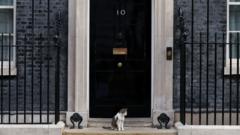
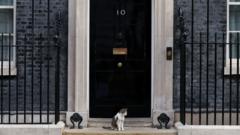
A consumer group, Which?, has revealed a shocking incident involving the travel giant Booking.com. They’ve managed to create a fake listing for none other than the iconic 10 Downing Street! Yes, you heard that right! The UK’s watchdog claims that its researchers were able to book a phony stay at the Prime Minister’s residence, raising serious questions about the platform’s security measures. This limited test highlights glaring flaws in a system that supposedly safeguards millions of listings and reviews.

The bogus listing described a “1 bedroom apartment in the heart of London, situated on 10 Downing Street” and claimed it was just a short 400-meter walk from local attractions. Can you believe that? The team even received a message from Booking.com urging them not to click on questionable links. But despite all this, the listing remained active until it was finally taken down on August 27. Talk about a security oversight!

According to Which?, the spokesperson for Booking.com stated that their automatic fraud controls failed to trigger, allowing the fake listing to linger longer than it should have. They mentioned that a “range of checks and verification measures” are in place to detect and remove fraudulent listings within 24 hours. However, if their so-called sophisticated AI systems can’t identify a joke of this magnitude, it’s no wonder scammers find it so easy to exploit the platform. Yahu, what kind of protection is that for consumers?

This isn’t the first time Booking.com has faced criticism over its security and customer service. Customers have previously accused the firm of not doing enough to protect them from cybercriminals. An Ofcom spokesperson even chimed in, urging a crackdown on irresponsible online platforms that leave consumers wide open to fraud. It’s a wake-up call, folks!

So, what’s the takeaway from all this? Consumers need to share their experiences with fake listings, especially on booking sites like this. Are we really safe when booking our stays? And what’s next for Booking.com? The stakes are high, and we’ll definitely be keeping an eye on how they handle this situation moving forward.

Kaynak: Orijinal Haber
Consumer Group Unveils Booking.com’s Flaws with Fake 10 Downing Street Listing

A consumer group, Which?, has raised serious concerns about Booking.com after successfully creating a fake listing for the iconic 10 Downing Street.

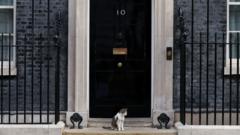
A consumer group, Which?, has raised serious concerns about Booking.com after successfully creating a fake listing for the iconic 10 Downing Street. The UK watchdog revealed that their team managed to book a phony accommodation at the official residence of the Prime Minister, highlighting significant gaps in the travel giant’s security measures. This incident is not just a quirky prank; it underscores the potential for scammers to exploit the platform, raising alarm bells for consumers everywhere.

In a limited test, Which? researchers crafted a listing that described a one-bedroom apartment located right on 10 Downing Street, just a short walk from the heart of London. The description claimed it was “situated on 10 Downing Street” and was only “400 meters away from the main attractions.” This listing, which bore all the hallmarks of a joke, did not initially trigger any of Booking.com’s fraud detection systems, showcasing a troubling lack of oversight. A spokesperson from Which? pointed out that the platform’s so-called sophisticated AI systems seem inadequate, allowing scammers to operate with ease.

Despite Booking.com’s assurances regarding automatic fraud controls, the fake listing remained live for an alarming duration before being removed on August 27. The researchers even received a message from the company stating that the review would be checked by moderators, yet it was added to the listing shortly after. This begs the question: how many unsuspecting customers have fallen victim to similar scams?

Which? has previously highlighted consumer complaints about Booking.com, with many accusing the platform of failing to protect them from cybercriminals. A spokesperson from Ofcom echoed these concerns, urging a crackdown on irresponsible online platforms that leave users vulnerable to fraud. Booking.com customers have reported issues like reservation hijackings, leaving many to wonder about the integrity of their booking experience.

So, here we are, folks. Booking.com, a site trusted by millions, is under scrutiny for its lax security measures. If a fake listing for one of the UK’s most famous addresses can slip through the cracks, what does this mean for the average traveler? The safety of online bookings is now a pressing concern, and consumers are left questioning the reliability of such platforms.

As we continue to monitor this situation, one can’t help but wonder: what steps will Booking.com take next to address these glaring issues? Will they enhance their security protocols, or will we see more cases of fraud slip through? Stay tuned…

Kaynak: Orijinal Haber

Booking.com Faces Backlash After Fake 10 Downing Street Listing Exposed!

A consumer group, Which?, has thrown a spotlight on Booking.com, revealing a shocking incident where they successfully created a fake listing for th

A consumer group, Which?, has thrown a spotlight on Booking.com, revealing a shocking incident where they successfully created a fake listing for the iconic 10 Downing Street. Yes, you heard it right! The UK watchdog’s researchers managed to book a bogus stay at the Prime Minister’s residence, raising serious questions about the platform’s security measures. This limited test isn’t a reflection of the countless legitimate listings and reviews that flood the site, but it does raise eyebrows about how something like this could slip through the cracks.

The listing, advertised as a “1 bedroom apartment in the heart of London,” cheekily claimed to be located at 10 Downing Street. The description promised a prime city center location and mentioned it was just a short walk of “400 meters.” Can you believe that? It’s like a bad joke! To top it off, the team behind this prank even received messages from Booking.com encouraging them not to click on suspicious links. But, lo and behold, the listing itself wasn’t flagged by the site’s so-called sophisticated fraud detection systems.

Now, the spokesperson for Which? didn’t hold back, suggesting that if Booking.com’s AI systems are really that advanced, it’s a wonder scammers can exploit the platform so easily. This isn’t the first time the travel giant has faced criticism. Customers have previously accused them of failing to protect their interests against cybercriminals. Just think about it – a fake listing for one of the most famous addresses in the UK! If that doesn’t scream “unfit for purpose,” I don’t know what does.

According to Which?, the fraudulent listing was taken down on August 27, but not before it raised serious concerns about Booking.com’s ability to safeguard its users. A message from Booking.com claimed that the review would be checked by moderators, but guess what? The bogus listing was still posted shortly after. Talk about a lack of oversight! Customers have long warned about issues like reservation hijackings, and this incident only adds fuel to the fire. An Ofcom spokesperson even chimed in, urging a crackdown on online platforms that leave consumers vulnerable to fraud.

So, what’s the takeaway here? If Booking.com can let a listing for 10 Downing Street go live without a hitch, what else is slipping through their security checks? This revelation certainly puts a lot of questions on the table about the safety of booking through such platforms. It’s a wild ride in the world of online travel, and who knows what else we’ll uncover next?

Kaynak: Orijinal Haber