UK Food Prices Drop, But Inflation Woes Loom Ahead!

Food prices in the UK are showing a glimmer of hope, having fallen at their slowest rate in nearly two years. According to the Office for National S

Food prices in the UK are showing a glimmer of hope, having fallen at their slowest rate in nearly two years. According to the Office for National Statistics (ONS), staples like chocolate, beef, margarine, and sugar are seeing reduced prices. This trend comes amid fierce supermarket price wars where retailers are vying for customers’ attention with enticing summer deals. Talk about a battle for your wallet! The overall inflation rate in the UK has dipped to 2.6% for the year leading up to June, down from 2.8% in May, primarily thanks to cheaper fuel and food prices. That’s some good news for families trying to stretch their budgets!

BRC economist Harvir Dhillon chimed in, noting the intense competition among supermarkets has played a significant role in keeping prices low. The new prime minister has made it clear that tackling the cost of living will be a priority for his government. New Chancellor John Healey expressed that the lower inflation rate is “news families want to hear,” but he also acknowledged that “there is much more to do.” It’s almost like a double-edged sword; while lower inflation is a win for consumers, the underlying issues are still looming large.

But what’s the outlook? The Bank of England has a target inflation rate of 2%, yet Suren Thiru, chief economist at the Institute of Chartered Accountants in England and Wales, suggested that a rate hike during next week’s meeting is unlikely. However, rising inflation could soon become a more significant headache for Healey. Yael Selfin from KPMG indicated that rising price caps could push inflation back up again, which has Sarah Coles, head of personal finance at AJ Bell, predicting that inflation could hit new highs in September, potentially followed by another spike in February. That’s a lot to chew on!

And here’s a reality check: a staggering 7.4 million households in the UK are struggling to afford essentials. “I can’t afford to turn the oven on,” one stressed out resident lamented. Meanwhile, the government is set to cut VAT on household electricity bills this October, but will that really ease the burden? In a move to help public transport users, Burnham has capped most bus fares in England at £2, but he’s also pulling back from a possible income tax cut.

So, the question remains: will these price reductions hold, or are we just delaying the inevitable? As the competition heats up and the government makes its moves, we’ll be watching closely to see how this all unfolds. What’s next for the families counting every penny? Stay tuned!

Kaynak: Orijinal Haber

Food Prices Drop, But Inflation Fears Loom Ahead in the UK

Food prices in the UK are experiencing a rare moment of relief as the cost of certain staples like margarine and sugar have dipped, according to the

Food prices in the UK are experiencing a rare moment of relief as the cost of certain staples like margarine and sugar have dipped, according to the Office for National Statistics (ONS). For the first time in nearly two years, the overall rise in food prices has slowed down, with items like chocolate and beef also seeing price reductions. This change is largely attributed to fierce competition among supermarkets, which have ramped up summer deals to attract customers. As of June, the inflation rate in the UK has dropped to 2.6%, down from 2.8% in May, mainly driven by lower fuel and food costs.

It’s a welcome piece of news for many families, as the new Prime Minister has promised to prioritize the cost of living, while the new Chancellor, John Healey, emphasized that the reduced inflation rate is something families want to hear. However, he also noted that there’s still much work to be done. “Both these changes are a win-win. They help keep inflation down while helping people afford the essentials,” Healey stated.

Yet, despite this temporary relief, the road ahead might not look so rosy. Suren Thiru, chief economist at the Institute of Chartered Accountants in England and Wales, warned that an interest rate increase is unlikely when the Bank of England meets next week, but rising inflation is expected to become a significant economic headache for Healey. Experts like Yael Selfin from KPMG are already predicting that inflation could tick back up again in the near future.

Sarah Coles, head of personal finance at AJ Bell, highlighted that many households are still struggling to make ends meet. “There are 7.4 million households that can’t afford to turn the oven on,” she remarked, underlining the ongoing crisis. With VAT set to be cut from household electricity bills in October and most bus fares capped at £2, there are signs of relief, but it’s a precarious situation.

As the summer rolls on, the nation watches with bated breath. What will happen with prices as we head into autumn? Will the competition among supermarkets continue to deliver better deals, or are we set for another wave of inflation? The answers remain to be seen, and everyone is keeping a close eye on the grocery aisles…

Kaynak: Orijinal Haber

Inflation Holds Steady as Food Price Increases Slow Down

Inflation remained at 2.8% in the year leading up to May, with food price rises easing to a 17-month low, according to recent figures released by the

Inflation remained at 2.8% in the year leading up to May, with food price rises easing to a 17-month low, according to recent figures released by the Office for National Statistics (ONS). Yahu, bu durum beklenmedik bir şekilde gerçekleşti. Uzmanlar, Mayıs ayındaki enflasyonun %3 seviyelerine çıkacağını tahmin ediyordu. Ancak, Orta Doğu’daki savaşın devam eden etkileri nedeniyle fiyatların artış göstermesi bekleniyordu. Ne de olsa, bu durumun etkisi herkesin cebine yansıyordu. Ama şimdi, ABD ve İran arasında varılan barış anlaşması ile birlikte ilerideki artışların daha sınırlı olabileceği belirtiliyor.

ONS’nin baş ekonomisti Grant Fitzner, hava yolculuğu fiyatları, araç vergileri ve akaryakıt fiyatlarının enflasyonu yukarı çektiğini ifade etti. Bu arada, motor yakıtları geçen yılın Mayıs ayına göre %24.6 oranında arttı. Toplam ulaşım enflasyonu ise %6.8 ile Aralık 2022’den bu yana en yüksek yıllık oranı gördü. Ancak, bak şimdi, bu artışlar, et, süt ve sebze fiyatlarındaki düşüşle dengelendi. Fitzner, “Geçtiğimiz ay karşılaştırıldığında, et, süt ve sebze ürünlerinde enflasyonda azalmalar görüldü” dedi.

Gıda enflasyonu, Nisan ayındaki %3 seviyesinden Mayıs ayında %2.2’ye düştü, bu da 2024 Aralık’ından bu yana en düşük oran. Ama dikkat, et fiyatları hala yüksek. Örneğin, sığır eti ve dana eti, Mayıs ayına kadar %9.4 oranında artış gösterdi. Bu, Nisan’daki %13.2 ve Mart’taki %18.8’lik artışlara göre oldukça yavaş bir artış. British Retail Consortium (BRC) bu durumu değerlendirdi ve gıda enflasyonundaki azalışın İngiliz süpermarket sektörünün rekabetçi olduğunu gösterdiğini belirtti. Ancak, gıda enflasyonunun önümüzdeki aylarda artış göstermesi bekleniyor.

Food and Drink Federation da, fiyatların “Hurmuz Boğazı’nın kapanışından kaynaklanan enflasyonu yansıtmadığını” söyledi. CEO’su Karen Betts, çiftçiler, işleyiciler ve üreticiler tarafından ödenen artan maliyetlerin, market raflarındaki fiyatlara yansımasının birkaç ay sürdüğünü ifade etti. Enerji ve malzemeler için uzun vadeli sözleşmelerin yaygın kullanımı da bunun sebeplerinden biri. Yani, işin aslı şu; bu durum, gıda fiyatlarını etkileyecek.

Charlotte O’Leary, National Institute of Economic and Social Research’taki bir ekonomist, Ofgem’in Temmuz’da enerji fiyat sınırını belirlemesiyle enflasyonda önemli bir yukarı yönlü etki bekleniyor. “Yüksek petrol fiyatlarının gecikmeli etkileri hâlâ etkisini sürdürüyor,” dedi. Eğer ABD-İran anlaşması çökerse, petrol fiyatlarının tekrar yükselmesi ve enflasyon üzerinde yukarı yönlü baskı oluşturması olası.

Hazine Bakanı Rachel Reeves, hükümetin aileleri ve işletmeleri artan maliyetlerden koruduğunu, enerji faturalarında indirimler ve akaryakıt ile demiryolu ücretlerinde dondurmalar yapıldığını söyledi. “Orta Doğu’daki savaş fiyatları küresel olarak artırırken, doğru ekonomik planımız var ve enflasyon stabil kalmış durumda,” dedi. Ancak gölge Hazine Bakanı Mel Stride, “fiyatlar hâlâ çok hızlı artıyor” ifadesini kullandı.

Bu enflasyon rakamları, Bank of England’ın Perşembe günü yapacağı bir sonraki faiz oranı kararından önce geldi. Ekonomistler, Banka’nın temel faiz oranını %3.75 seviyesinde tutmasını bekliyor. Birçok ekonomist, enflasyonun 2026’nın ikinci yarısında %3.5 ile %4 arasında zirve yapacağını öngörüyor. Banka’nın enflasyon hedefi %2. Yavaşlayan gıda enflasyonu haberi, ABD-İran barış anlaşması sayesinde fiyat artışlarının daha da gerileyeceği beklentisiyle “biraz gölgede kaldı,” diyor Suren Thiru, Institute of Chartered Accountants in England and Wales’deki baş ekonomist.

Ama bakın, düşmanlıklar sona erse bile, Birleşik Krallık, İran çatışmasından kaynaklanan sancılı bir süreçle karşı karşıya kalacak. Enerji ve diğer tedarik zincirlerinin normalleşmesi aylar alabilir ve bu da enflasyonda anlamlı bir gevşemenin 2026’nın sonlarına kadar gecikmesine neden olacak. KPMG UK’nin baş ekonomisti Yael Selfin, yeni rakamların “Bank of England için faiz oranlarını sabit tutma gerekliliğini güçlendirdiğini” belirtti. “Temel enflasyon baskıları henüz belirgin bir güçlenme göstermedi,” dedi.

Görünüşe göre, bu durum gelecekte neler olacağı konusunda soru işaretleri bırakıyor. Ekonomik gidişatın nasıl şekilleneceği merak konusu…

Kaynak: Orijinal Haber

Why Are Your Weekly Essentials Costing So Much More?

Everyday shopping has taken a toll on our wallets lately, hasn’t it? You know the drill—standing at the checkout and feeling that sting as the tota

Everyday shopping has taken a toll on our wallets lately, hasn’t it? You know the drill—standing at the checkout and feeling that sting as the total climbs higher than it used to be. Many of us have been buying the same supermarket staples week in and week out, and now even after leaving behind the fancy stuff like wine or biscuits, we’re shocked at the final price. Just a few years ago, everyday essentials like milk, bread, and eggs were way cheaper. Let’s break it down and see just how much these prices have skyrocketed, what’s driving this surge, and if anyone’s really cashing in on the chaos.

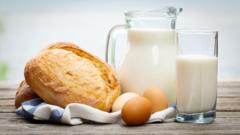
So, remember back in 2022 when you could grab a box of six free-range eggs for just £1? Well, brace yourself—today, that same box is hitting £1.80! This info comes courtesy of market researchers Assosia, who did the legwork across Tesco, Sainsbury’s, Asda, and Morrisons for the BBC. What caused this egg explosion? Well, it’s been a rough few years with a severe outbreak of avian flu leading to the culling of millions of hens between 2021 and 2023. This drastic reduction in the number of laying hens, combined with rising energy costs to keep the remaining birds safe indoors, created serious shortages. Supermarkets even had to impose limits on how many eggs a customer could snag, and guess what? Prices shot up as both producers and retailers tried to cover their losses.

Now, let’s talk about grain—the bread and butter of our chickens’ diets. The cost of grain, especially with Ukraine being a key supplier, skyrocketed after Russia’s invasion in 2022. Energy prices also rose, and we’re feeling that pinch again due to ongoing conflicts in the Middle East. But hold on, even with prices climbing, the demand for eggs is still soaring thanks to those trendy high-protein diets everyone seems to be on these days.

Milk is another staple that’s seen a price hike. Back in 2022, you could pick up four pints of semi-skimmed for £1.29. Fast forward to now, and you’re looking at around £1.65. Dairy production isn’t cheap; it’s a costly process with high energy needs for milking, processing, and transportation. The Ukraine war has hit this sector hard, pushing prices up. Interestingly, after a significant initial spike, milk prices have softened recently due to a global oversupply. But farmers? They’re feeling the heat too, with reports stating they’re getting paid about 25% less per liter of milk, and many are struggling to make ends meet.

Farmers and producers are the backbone of our supermarkets, keeping those shelves stocked with eggs, milk, and bread while their own costs have climbed well above the inflation rate over the past year. To paint a clearer picture, prices for materials and goods that producers depend on jumped by 7.7% in the year leading up to April—marking the biggest increase we’ve seen in over three years. Meanwhile, the prices that producers charge retailers only ticked up by 4% during the same stretch.

Danni Hewson, head of financial analysis at AJ Bell, sheds light on the contracts between producers and supermarkets, emphasizing that they’re signed well in advance. “Without a crystal ball, nobody can predict what costs will look like when these contracts are inked,” she explains. Sure, farmers may negotiate for better rates when contracts are up for renewal, but during the lifespan of a contract, skyrocketing energy or fuel prices can leave them in a tight spot. So yes, a chunk of these price hikes is getting absorbed by the producers.

Speaking of bread, a standard loaf of medium-sliced white bread cost 65p in 2022, but now it’s at 74p on average in major supermarkets. Assosia didn’t cover discount stores like Aldi and Lidl, but you can bet those places are fiercely competing on prices. The rise in wheat costs after Russia’s invasion of Ukraine initially drove bread prices up, but that increase has steadied. However, the ongoing conflict in the Middle East has again sparked global supply fears, according to analysts at The Andersons Centre.

Hewson describes a “perfect storm” of increased costs across the board—raw materials, energy, labor, and even changes to packaging regulations are all playing a part in making our essentials more expensive. And it stings to know that while our checkout totals keep climbing, supermarkets appear to be raking in profits. Sales at the UK’s major supermarkets surged from about £130 billion to approximately £160 billion between 2020 and 2024. Yet, when we dive deeper into their sales and operating expenses, it turns out that profit margins haven’t actually increased in the last two decades.

Now, don’t get it twisted—these figures don’t tell us how much of those sales were for food, nor do they reveal profits on perishables like fresh fruit or dairy. However, experts suggest they do highlight the intense competition in the UK supermarket scene. The Competition and Markets Authority’s investigation in July 2024 found no evidence of supermarkets artificially inflating prices, noting that there was no significant spike during 2022 and 2023 when food prices soared due to the global energy crisis.

Hewson reiterates that the UK supermarket sector is “massively competitive,” with many retailers willing to sell staple items at a loss just to get folks through the door. “In most cases, the supermarket absorbs those losses, which impacts their margins,” she adds. These aren’t businesses making a killing with every pound they sell; they’re hustling hard to earn their keep.

Andrew Opie, director of food and sustainability at the British Retail Consortium, shares that the UK remains one of the most affordable places in Western Europe for grocery shopping. As food inflation has ramped up in recent years, supermarkets have doubled down on offering value on everyday staples, sometimes even selling products below cost to pass savings onto customers.

It’s become so tough to live in places like Cambridge that a charity claims even people with jobs are needing subsidized food. And speaking of rising costs, temperatures across the country are soaring, and so is the price of ice cream—but just how high will it go? Last month, borrowing was higher than expected, and retail sales took a hit as fuel prices surged. The situation has been worsened by “significant cost increases resulting from government policy choices.” The UK government continues to borrow to fund both day-to-day expenses and long-term infrastructure projects.

Kaynak: Orijinal Haber

Why You’re Paying More for Everyday Essentials: The Egg, Milk, and Bread Crisis

Egg prices have skyrocketed, with a box of six free-range eggs costing £1.80 today, up from just £1 in 2022. This sharp increase has left many shop

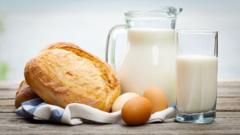
Egg prices have skyrocketed, with a box of six free-range eggs costing £1.80 today, up from just £1 in 2022. This sharp increase has left many shoppers scratching their heads as they swipe their cards at the checkout. What’s behind this sudden leap in price? Well, let’s break it down.

First off, the UK faced its worst outbreak of avian flu between 2021 and 2023, leading to the culling of millions of hens. This drastic action caused a significant decrease in the number of laying hens, resulting in shortages across supermarkets. To add fuel to the fire, energy costs soared as producers had to keep their birds indoors due to strict regulations. Supermarkets, feeling the pinch, limited how many eggs customers could buy, all while raising prices to make up for their losses.

And it doesn’t just stop at eggs. Milk prices have also climbed, jumping from £1.29 for four pints of semi-skimmed in 2022 to £1.65 today. These increases can be traced back to the high energy demands of dairy production—milking, processing, and transporting all consume vast amounts of energy. The war in Ukraine hit the industry hard, causing significant price hikes. But here’s the kicker: despite a brief spike, milk prices are stabilizing due to an oversupply in the global market. Yet, dairy farmers are feeling the squeeze, getting paid 25% less for each liter of milk, pushing many towards losses.

Now, let’s talk about bread. A basic loaf of medium-sliced white bread used to set you back just 65p in 2022, but that same loaf now costs around 74p. The increase in wheat prices, driven by the Ukraine conflict, is a key factor here. However, there’s been a leveling out recently, even as concerns over the ongoing conflict in the Middle East stir up fears regarding global supplies. Danni Hewson from AJ Bell mentions a “perfect storm” of rising costs, from raw materials and energy to labor and packaging regulations, all contributing to higher prices.

While consumers feel the weight of these price hikes, it’s alarming to see that the UK’s major supermarkets have reported sales increases, jumping from about £130 billion to £160 billion between 2020 and 2024. However, when all is said and done, profit margins for these retailers haven’t really budged in the past two decades. The Competition and Markets Authority found no evidence of price inflation in the grocery sector, leaving experts to suggest that the competition among UK supermarkets is incredibly fierce. Many retailers are willing to sell staple products at a loss just to attract customers.

Andrew Opie from the British Retail Consortium, which represents supermarkets, highlighted that the UK remains one of the most affordable places for grocery shopping in Western Europe. As food inflation has surged, supermarkets have doubled down on offering value for everyday essentials, often selling items below cost to help ease the burden on consumers.

In a nutshell, it’s a tough time for many people out there, especially in places like Cambridge where a charity recently reported that even working individuals need subsidized food. The economic landscape is shifting, and it seems the prices at the checkout are only going to keep climbing. So, what’s next for our wallets as we navigate this tricky landscape of rising costs?

Kaynak: Orijinal Haber