Bank of Russia Warns: Fuel Crisis and War Costs Could Spark Inflation Surge!

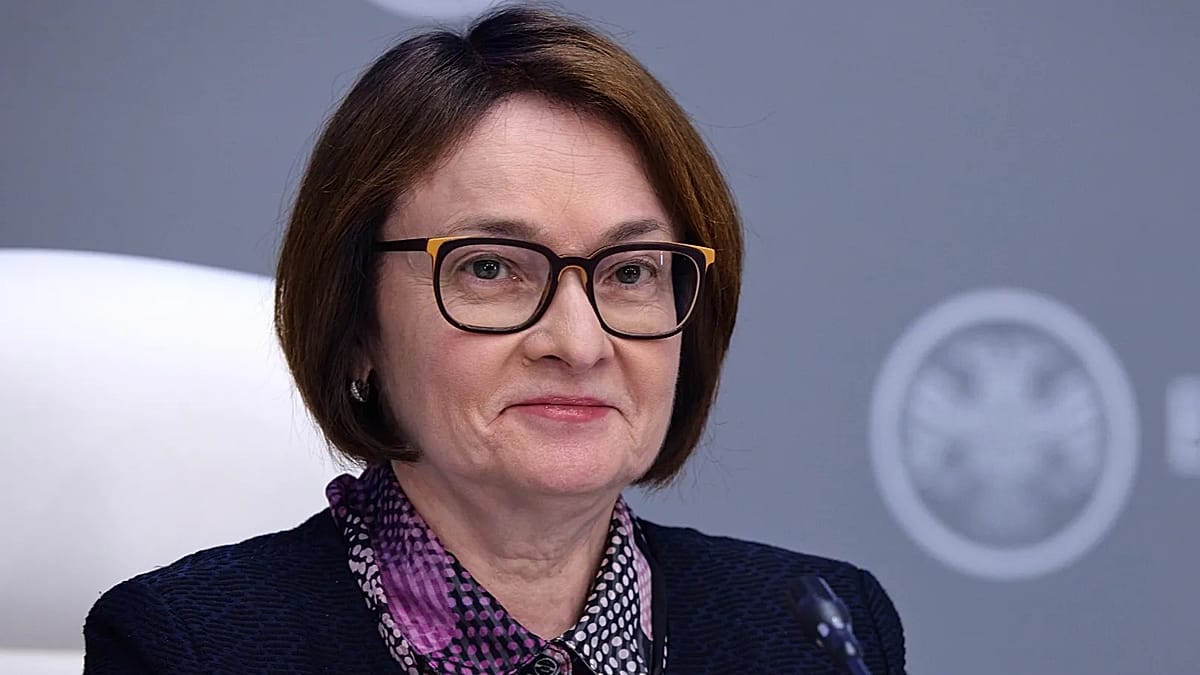
The Bank of Russia has raised alarm bells about the potential rapid inflation that could stem from the ongoing fuel crisis and rising costs associat

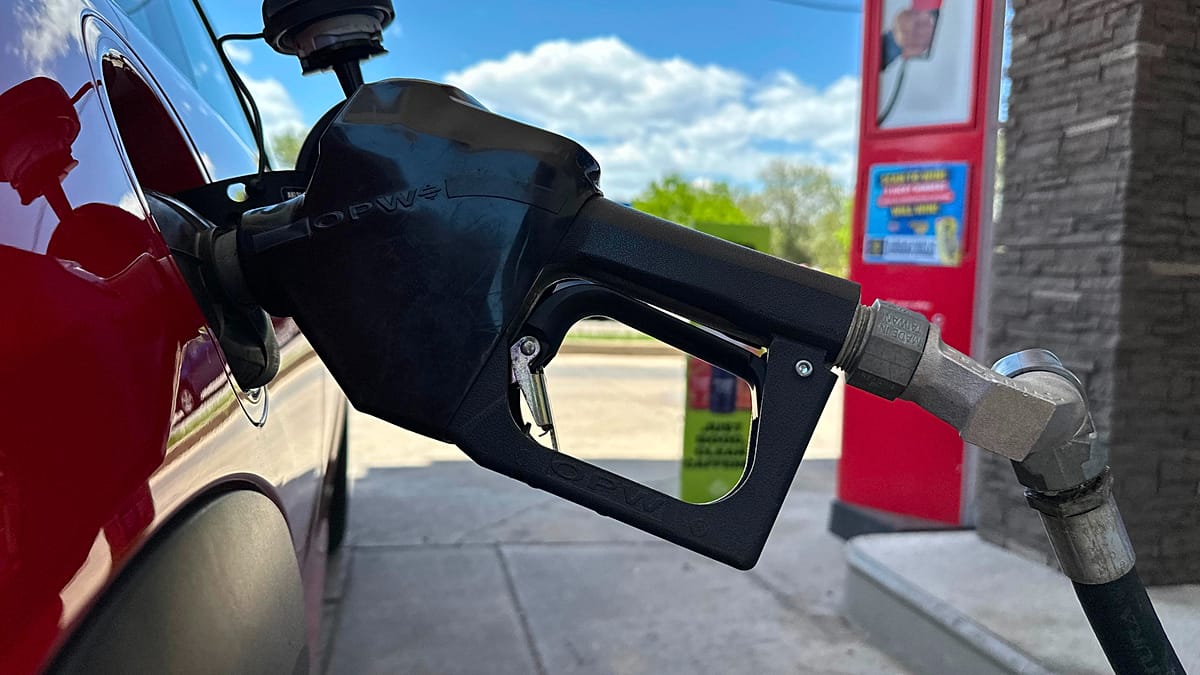
The Bank of Russia has raised alarm bells about the potential rapid inflation that could stem from the ongoing fuel crisis and rising costs associated with war efforts. Recent developments have brought to light the precarious situation surrounding fuel prices, which have seen a significant spike, stirring concerns among policymakers and economists alike. This crisis isn’t just about numbers; it’s about the everyday lives of citizens who depend on stable fuel prices for their daily activities.

So, what’s the deal? The central bank highlighted that the costs of war, particularly in the context of ongoing geopolitical tensions, are likely to exacerbate inflationary pressures. You know how it is when prices start rising—everyone feels it in their pockets. From the gas station to the grocery store, the ripple effects are undeniable. The bank’s report noted that these challenges could lead to a faster-than-expected rise in inflation, which could push prices up even further.

Let’s break it down. With war costs mounting, the economic landscape is shifting dramatically. Just last week, fuel prices soared by nearly 10% in some regions, leaving ordinary folks scrambling to fill their tanks. Can you imagine? People are already feeling the pinch, and now this? It’s like a double whammy. The report mentioned that if these trends continue, we might be looking at a significant impact on consumer spending as folks tighten their belts.

The central bank warned that the situation requires close monitoring. They’re not just sitting on their hands; they’re actively looking for solutions. But let’s be real—solutions take time, and meanwhile, everyday people are left holding the bag. The fear is that this inflation could spiral out of control, leading to a situation where the cost of living skyrockets, and wages don’t keep up. Yahu, that would be a disaster, right?

Moreover, the geopolitical landscape isn’t helping either. The ongoing conflicts and negotiations are essentially playing a game of tug-of-war with the economy. The Bank of Russia is urging for proactive measures to mitigate these risks, but it’s easier said than done. As the world watches, the question remains: how will the government respond to stabilize the situation? Will they implement policies that can effectively cool down the inflationary flames, or will we be left in a constant cycle of rising prices?

This is a developing story, and the implications are broad. As we keep an eye on fuel prices and war costs, one has to wonder: what will be the lasting impact on the economy and the everyday consumer? Let’s stay tuned to see how this unfolds…

Kaynak: Orijinal Haber

Inflation Holds Steady as Food Price Increases Slow Down

Inflation remained at 2.8% in the year leading up to May, with food price rises easing to a 17-month low, according to recent figures released by the

Inflation remained at 2.8% in the year leading up to May, with food price rises easing to a 17-month low, according to recent figures released by the Office for National Statistics (ONS). Yahu, bu durum beklenmedik bir şekilde gerçekleşti. Uzmanlar, Mayıs ayındaki enflasyonun %3 seviyelerine çıkacağını tahmin ediyordu. Ancak, Orta Doğu’daki savaşın devam eden etkileri nedeniyle fiyatların artış göstermesi bekleniyordu. Ne de olsa, bu durumun etkisi herkesin cebine yansıyordu. Ama şimdi, ABD ve İran arasında varılan barış anlaşması ile birlikte ilerideki artışların daha sınırlı olabileceği belirtiliyor.

ONS’nin baş ekonomisti Grant Fitzner, hava yolculuğu fiyatları, araç vergileri ve akaryakıt fiyatlarının enflasyonu yukarı çektiğini ifade etti. Bu arada, motor yakıtları geçen yılın Mayıs ayına göre %24.6 oranında arttı. Toplam ulaşım enflasyonu ise %6.8 ile Aralık 2022’den bu yana en yüksek yıllık oranı gördü. Ancak, bak şimdi, bu artışlar, et, süt ve sebze fiyatlarındaki düşüşle dengelendi. Fitzner, “Geçtiğimiz ay karşılaştırıldığında, et, süt ve sebze ürünlerinde enflasyonda azalmalar görüldü” dedi.

Gıda enflasyonu, Nisan ayındaki %3 seviyesinden Mayıs ayında %2.2’ye düştü, bu da 2024 Aralık’ından bu yana en düşük oran. Ama dikkat, et fiyatları hala yüksek. Örneğin, sığır eti ve dana eti, Mayıs ayına kadar %9.4 oranında artış gösterdi. Bu, Nisan’daki %13.2 ve Mart’taki %18.8’lik artışlara göre oldukça yavaş bir artış. British Retail Consortium (BRC) bu durumu değerlendirdi ve gıda enflasyonundaki azalışın İngiliz süpermarket sektörünün rekabetçi olduğunu gösterdiğini belirtti. Ancak, gıda enflasyonunun önümüzdeki aylarda artış göstermesi bekleniyor.

Food and Drink Federation da, fiyatların “Hurmuz Boğazı’nın kapanışından kaynaklanan enflasyonu yansıtmadığını” söyledi. CEO’su Karen Betts, çiftçiler, işleyiciler ve üreticiler tarafından ödenen artan maliyetlerin, market raflarındaki fiyatlara yansımasının birkaç ay sürdüğünü ifade etti. Enerji ve malzemeler için uzun vadeli sözleşmelerin yaygın kullanımı da bunun sebeplerinden biri. Yani, işin aslı şu; bu durum, gıda fiyatlarını etkileyecek.

Charlotte O’Leary, National Institute of Economic and Social Research’taki bir ekonomist, Ofgem’in Temmuz’da enerji fiyat sınırını belirlemesiyle enflasyonda önemli bir yukarı yönlü etki bekleniyor. “Yüksek petrol fiyatlarının gecikmeli etkileri hâlâ etkisini sürdürüyor,” dedi. Eğer ABD-İran anlaşması çökerse, petrol fiyatlarının tekrar yükselmesi ve enflasyon üzerinde yukarı yönlü baskı oluşturması olası.

Hazine Bakanı Rachel Reeves, hükümetin aileleri ve işletmeleri artan maliyetlerden koruduğunu, enerji faturalarında indirimler ve akaryakıt ile demiryolu ücretlerinde dondurmalar yapıldığını söyledi. “Orta Doğu’daki savaş fiyatları küresel olarak artırırken, doğru ekonomik planımız var ve enflasyon stabil kalmış durumda,” dedi. Ancak gölge Hazine Bakanı Mel Stride, “fiyatlar hâlâ çok hızlı artıyor” ifadesini kullandı.

Bu enflasyon rakamları, Bank of England’ın Perşembe günü yapacağı bir sonraki faiz oranı kararından önce geldi. Ekonomistler, Banka’nın temel faiz oranını %3.75 seviyesinde tutmasını bekliyor. Birçok ekonomist, enflasyonun 2026’nın ikinci yarısında %3.5 ile %4 arasında zirve yapacağını öngörüyor. Banka’nın enflasyon hedefi %2. Yavaşlayan gıda enflasyonu haberi, ABD-İran barış anlaşması sayesinde fiyat artışlarının daha da gerileyeceği beklentisiyle “biraz gölgede kaldı,” diyor Suren Thiru, Institute of Chartered Accountants in England and Wales’deki baş ekonomist.

Ama bakın, düşmanlıklar sona erse bile, Birleşik Krallık, İran çatışmasından kaynaklanan sancılı bir süreçle karşı karşıya kalacak. Enerji ve diğer tedarik zincirlerinin normalleşmesi aylar alabilir ve bu da enflasyonda anlamlı bir gevşemenin 2026’nın sonlarına kadar gecikmesine neden olacak. KPMG UK’nin baş ekonomisti Yael Selfin, yeni rakamların “Bank of England için faiz oranlarını sabit tutma gerekliliğini güçlendirdiğini” belirtti. “Temel enflasyon baskıları henüz belirgin bir güçlenme göstermedi,” dedi.

Görünüşe göre, bu durum gelecekte neler olacağı konusunda soru işaretleri bırakıyor. Ekonomik gidişatın nasıl şekilleneceği merak konusu…

Kaynak: Orijinal Haber

US Inflation Hits 4.2%, Fuel Prices Drive Cost Surge to Three-Year High

A sharp rise in fuel costs has pushed US inflation to its fastest annual pace in three years, reaching a steep 4.2% in May compared to the previous

A sharp rise in fuel costs has pushed US inflation to its fastest annual pace in three years, reaching a steep 4.2% in May compared to the previous year. This alarming uptick was reported by the Labor Department on Wednesday, marking an increase from 3.8% in April and signaling the third consecutive month of rising prices. Just think about it – that’s a significant jump for households trying to make ends meet. On a monthly basis, prices climbed 0.5%, following gains of 0.6% in April and a hefty 0.9% in March. It’s clear that something needs to be done.

But hang on a second! While energy costs are certainly making waves, the underlying price pressures seem to be more moderate. This gives a glimmer of hope that inflation isn’t spreading like wildfire across the economy just yet. If these energy prices start to cool, we might actually see headline inflation easing in the coming months. Interestingly, gasoline prices have already dropped since May, which could be a sign of better things to come.

Now, here’s the kicker: analysts are hinting that the Federal Reserve might consider an interest rate hike instead of a cut in their upcoming meetings. Higher interest rates usually mean that mortgages, car loans, and business lending will cost more. And folks on Wall Street are already banking on the Fed raising rates come December, according to futures market pricing tracked by CME FedWatch. Can you believe that? In some states, gasoline prices have shot up almost 50% in just a year. Even if the US and Iran manage to strike some sort of resolution, the trend of rising prices appears to be sticking around for a bit longer.

The yields on two-year and ten-year US Treasury bonds have also climbed since last Friday, signaling investor nervousness about potential policy changes. For now, Trump and White House officials have argued that there’s no need for further rate hikes, instead of pushing for additional cuts. Markets are bracing for rates to stay steady at 3.5%-3.75% in the next week’s projections. But then again, analysts are keeping a close eye on the situation.

So, what does all this mean for the average American? As we navigate these turbulent waters of rising costs, many are left wondering how long this inflationary pressure will last. Will we finally catch a break, or are we in for a rocky ride ahead? Only time will tell…

Kaynak: Orijinal Haber