
Business Secretary Jonathan Reynolds is gearing up to meet with the executives of Jaguar Land Rover (JLR) and the Unite union to address the looming threat of mass job cuts at the iconic car manufacturer. This meeting comes in the wake of JLR’s recent announcement regarding a voluntary redundancy program, following a devastating cyber attack that had previously halted production for more than a month. The figures are staggering; while JLR has yet to confirm specific numbers, reports suggest that up to 4,000 jobs could be on the chopping block due to the dual impacts of tariffs and declining sales.
Reynolds expressed to the BBC that a company as significant as JLR, a true British success story, will experience fluctuations in employment depending on various phases of its business cycle. “This is the conversation we need to have,” he emphasized, alluding to the necessity of addressing job security. However, he was clear that there would be no government bailout for the company, although he hinted at the possibility of a “long-term investment in the future” to support those jobs at risk.
The situation has drawn sharp criticism, with some political figures arguing that the government’s growth strategy is failing to deliver. A spokesperson has indicated that the government is looking to “simplify” business operations and “improve efficiency and build greater resilience.” Compulsory redundancies haven’t been ruled out, raising eyebrows and concerns among workers and their families.
Unite’s general secretary, Sharon Graham, voiced that the union has been sounding the alarm about a “perfect storm” brewing for the automotive sector. “This has been a death by a thousand cuts happening right under the noses of successive governments,” she stated with urgency. The automotive industry is under pressure, particularly with intensified electric vehicle sales targets requiring manufacturers to ensure a growing percentage of zero-emission vehicles by 2030. The stakes are high, and the pressure is mounting.
One of Reynolds’ first actions as business secretary was to grant the industry more flexibility to navigate these challenges. He mentioned ongoing consultations aimed at refining this approach. “It’s not where it needs to be, and that’s why we are here,” he added, highlighting the pressing need for action. The West Midlands mayor, Richard Parker, has also been involved in discussions about how to support both JLR and its workforce during these turbulent times.
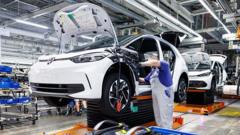
In July, JLR had suggested that under its cost-saving measures, fewer than 300 employees would be let go. However, the company employs around 30,000 people in the UK and an additional 10,000 overseas, making the stakes much higher than previously anticipated. The cyber attack in September 2025 wreaked havoc, shutting down all manufacturing operations at JLR for several weeks, leading to a catastrophic 27% drop in overall production. The financial toll of the attack and the subsequent halt in manufacturing was estimated at £1.9 billion. In June, the company announced plans to cut approximately £1.7 billion in costs over the next few years to aid its recovery efforts, signaling a shift in operational priorities that could have far-reaching implications.
As the situation continues to develop, many are left wondering: what will become of these jobs and the future of JLR? The coming days will be crucial in determining the fate of thousands of employees and the company’s standing in the competitive automotive market.
Kaynak: Orijinal Haber