
Italy’s Last Diesel Discount Extended: What Comes Next?

Italy’s Council of Ministers has taken a significant step by approving a new fuel decree law, extending the 17-cent discount on diesel fuel prices fo

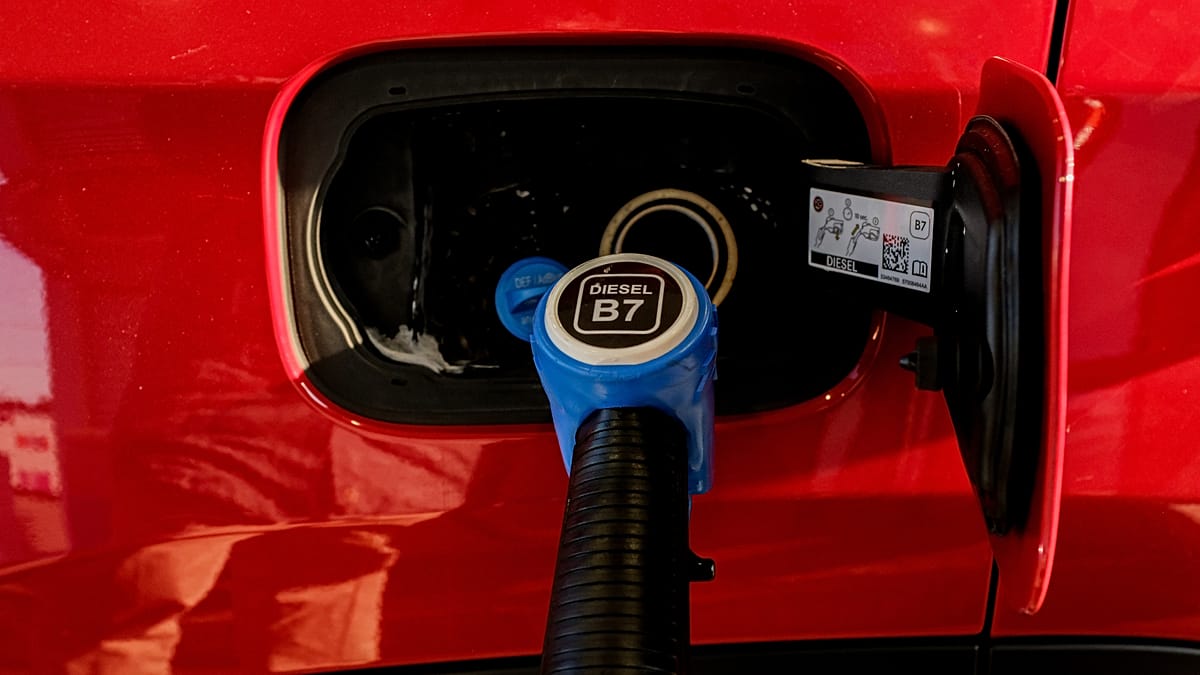
Italy’s Council of Ministers has taken a significant step by approving a new fuel decree law, extending the 17-cent discount on diesel fuel prices for an additional week. This reduction will now last until Thursday, September 17. This means that drivers will see a tangible benefit at the pump, with the tax cut translating into a lower price of approximately 17 cents per litre, once VAT is factored in. However, this move comes at a cost of around 80 million euros to the government.

According to sources within the government, this extension is expected to be the last of its kind, aimed at providing relief to all consumers. In a shift towards more targeted assistance, if the government decides to intervene again on fuel after September 17, it will focus on measures that support low-income groups and those who rely on fuel for their jobs.

From March until now, the government has shelled out approximately 2.6 billion euros in repeated cuts to excise duties and support for road haulage through a tax credit for fuel purchases. This substantial spending reflects the ongoing challenges faced by Italian consumers and businesses alike. Inside the governing coalition, the League party is advocating for future measures to be funded through a tax on the windfall profits of oil companies, while their counterparts in Forza Italia are pushing back against this idea.

So, what does this mean for the average Italian? Well, with the price of diesel fuel being a critical factor for many households and businesses, the stakes are high. Imagine the relief for drivers filling up their tanks, knowing they’ll pay less for fuel—at least for now. But as the government prepares to shift its focus, many are left wondering how future support will be structured.

What’s next for fuel prices in Italy? Are we witnessing the end of broad discounts, or will the government step in again with more targeted aid? It’s a developing story that certainly warrants close attention.

Kaynak: Orijinal Haber
Italy’s Economic Growth Nears 1%: Implications for the 2027 Budget Law

Italy’s economy is set to grow more than previously anticipated in 2026, with projections now approaching 1% of GDP. This optimistic forecast comes f

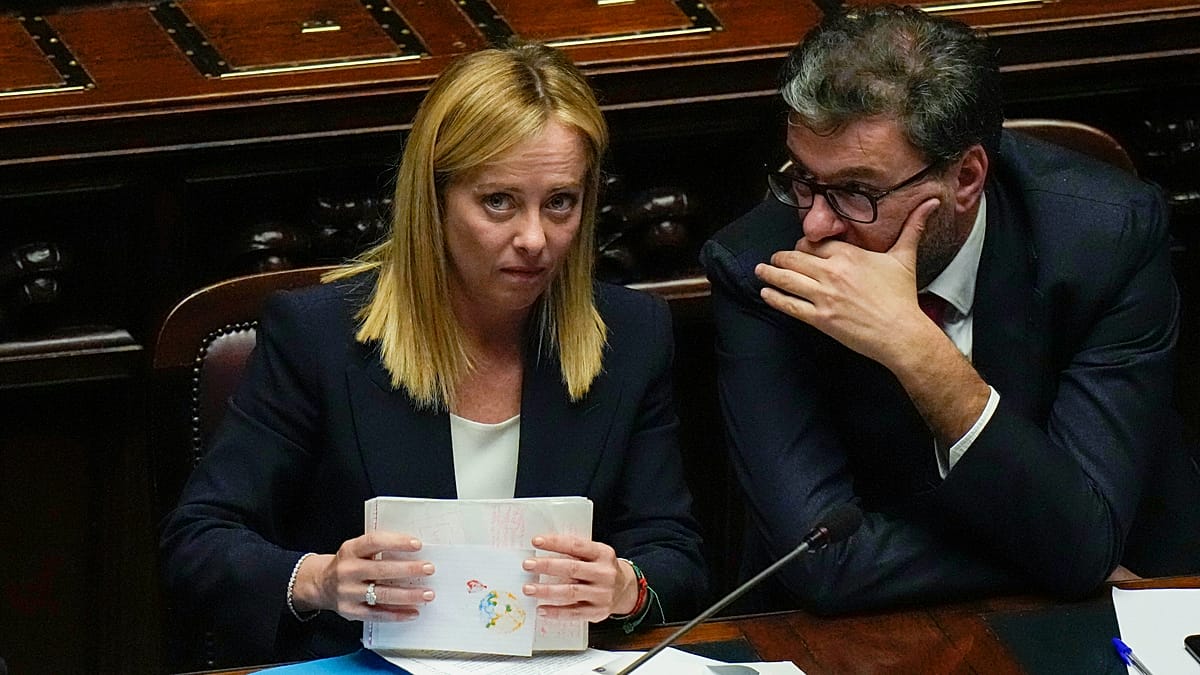
Italy’s economy is set to grow more than previously anticipated in 2026, with projections now approaching 1% of GDP. This optimistic forecast comes from Economy Minister Giancarlo Giorgetti, who shared insights on the final day of the Teha Cernobbio Forum. He mentioned that the Italian GDP is expected to exceed the modest 0.6% growth outlined in the government’s planning documents. “As of now, we are aiming for 0.8%. Growth could very well inch closer to that 1% mark,” he stated, indicating a realistic optimism.

But it’s not all good news. While an increase in GDP typically signals higher revenues, Giorgetti cautioned against excessive celebration. He pointed out that this growth trend is accompanied by positive employment data, which is a relief, but the growth isn’t as widespread or significant when compared to the European Union as a whole. Notably, economist Reichlin expressed a stark warning, saying that the Italian growth figures are not “so brilliant” and that they are not robust enough to counteract the ongoing issues with low productivity.

Now, this is crucial: without addressing the underlying challenges of productivity, the expectations for wage increases and overall prosperity might be unrealistic. The higher revenues reported in the first seven months of this year shouldn’t be automatically seen as a windfall for next year’s Budget Law. There’s a need for a careful assessment to discern which parts of this revenue increase are structural. This means we need to figure out how much of it can actually fund new initiatives in the coming years.

If revenues exceed expectations, Giorgetti warns us not to get carried away with illusions about the 2027 budget. There’s a tightrope to walk here; we shouldn’t think about increasing spending or adopting expensive measures just yet. A cautious budget law is essential, especially given the limited maneuvering room due to unfavorable demographic trends. These trends weigh heavily on public finances, particularly through the pension system and the health service, impacting both labor and businesses significantly. International organizations are advising that any additional spending should be balanced out by other revenue sources, yet it remains unclear where these might come from.

So, what does all this mean for the average Italian? It’s a mixed bag. Sure, growth is good, but the challenges lurking beneath the surface could overshadow any celebratory mood. Citizens are left wondering how this will affect their daily lives, jobs, and overall economic security. Will the government take the necessary steps to ensure that this growth translates into real benefits for the people?

Kaynak: Orijinal Haber