Amazon founder Jeff Bezos recently took the stage at a tech conference in Paris, where he shared his insights on the role artificial intelligence (AI
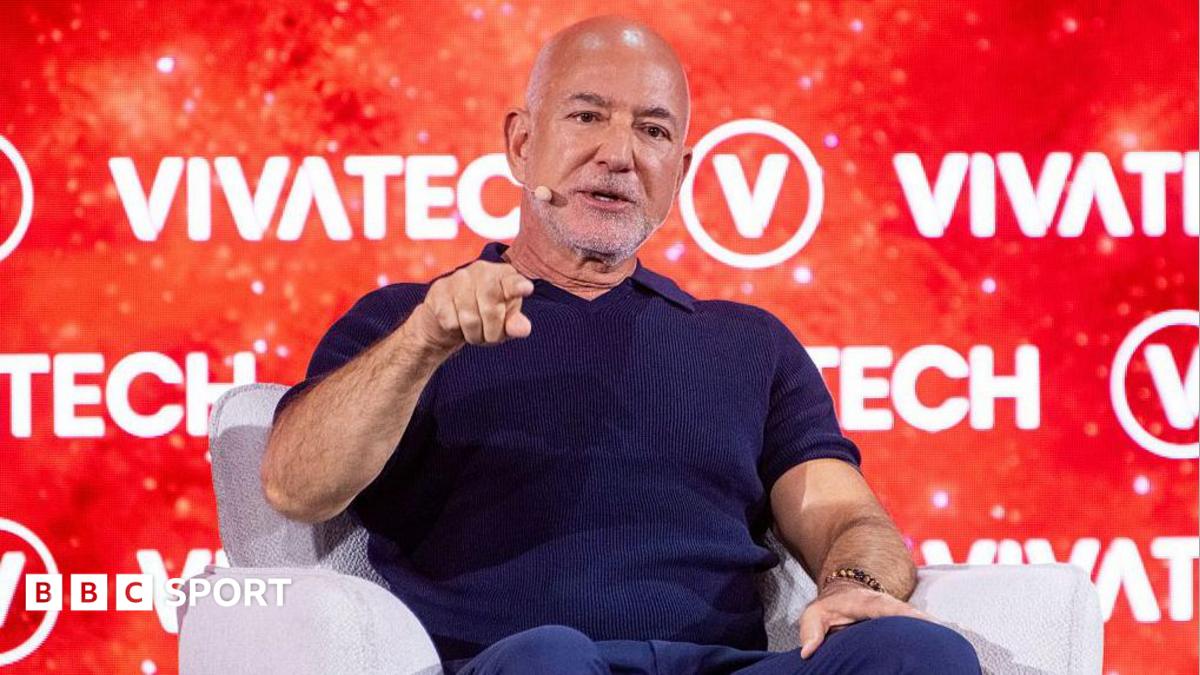
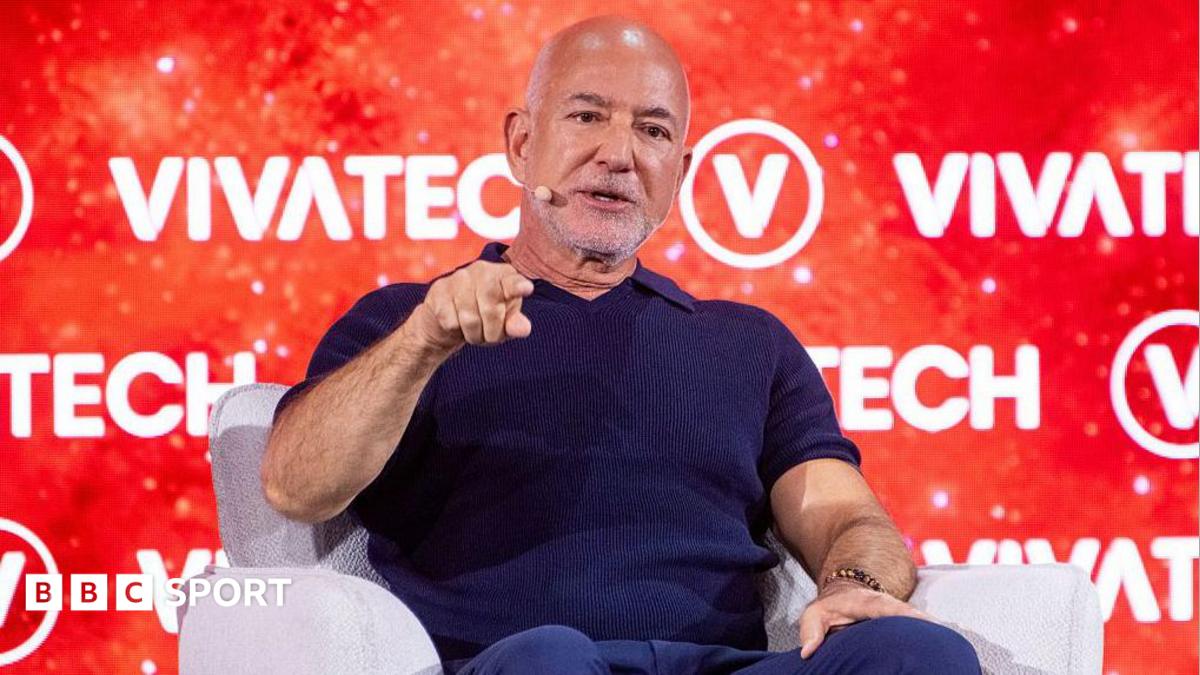
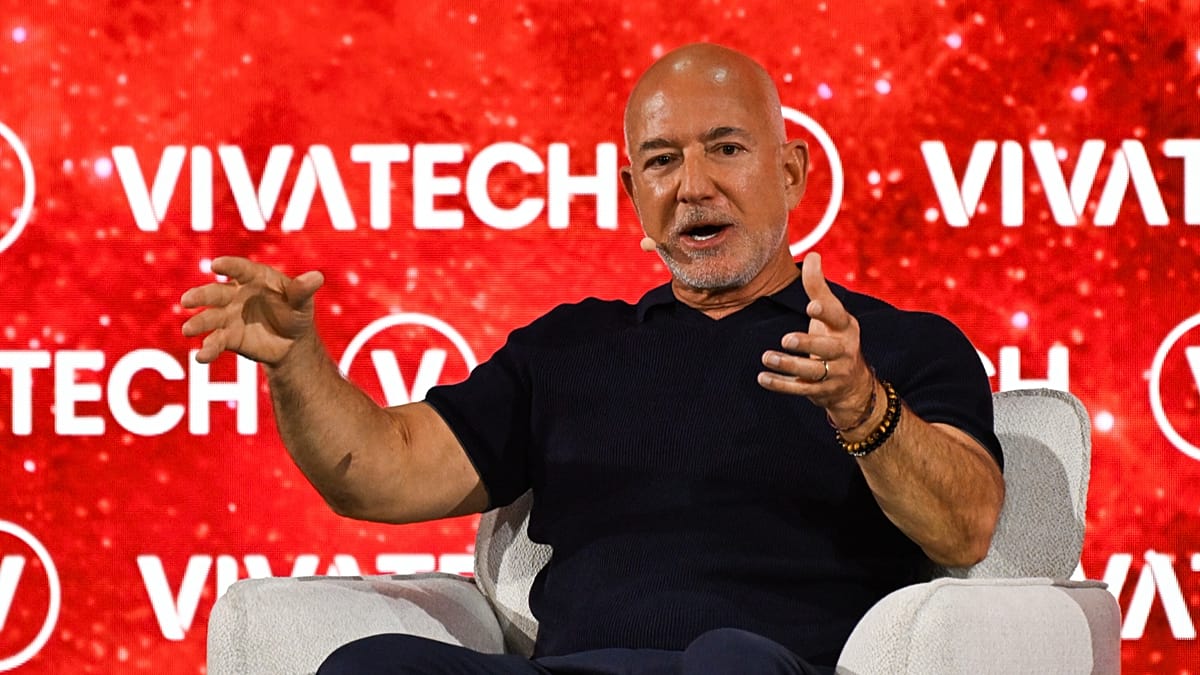
Amazon founder Jeff Bezos recently took the stage at a tech conference in Paris, where he shared his insights on the role artificial intelligence (AI) will play in the future job market. Contrary to the rising fears that AI will render many workers obsolete, Bezos confidently asserted that AI will actually create more job opportunities. “I know there’s a lot of concern that many people have, including many smart people, that AI is going to make humans redundant and so on,” he said. “I totally disagree with this point of view. And I think, in fact, AI is going to create a labour shortage.”
This statement comes as a breath of fresh air amid the ongoing debate surrounding the impact of AI on employment. While figures like former UK Prime Minister Rishi Sunak warn that AI could negatively affect young people’s job prospects, Bezos painted a more optimistic picture. He emphasized that it’s not a lack of ambition holding people back, but rather barriers that technology can help eliminate. His comments shift the focus from fear to potential, suggesting that AI could increase the demand for human labor instead of displacing it.
Bezos was also at the expo to discuss his new AI venture, Prometheus, which aims to speed up physical manufacturing processes—an area that’s increasingly leaning towards automation. Despite concerns voiced by the UK’s Trades Union Congress about AI potentially repeating the mistakes of deindustrialization, they also acknowledged that if developed correctly, AI could transform industries and benefit workers through productivity gains.
His discussions didn’t stop at AI; he also shared his long-term vision for space exploration. Bezos described space as “supply constrained, not demand constrained,” pointing out that access to space is a significant hurdle for future development. He believes the Moon could serve as the perfect launchpad for humanity’s expansion beyond Earth. “We’re going to the Moon to stay, not just to visit,” he declared, hinting at the potential for utilizing lunar resources for sustainable space travel.
Amid all this, Bezos also addressed a recent setback with Blue Origin, his space travel company, which suffered an explosion during a ground test. “It was a gut punch for the whole team,” he admitted, but remained optimistic about the future, noting that no injuries occurred, and crucial infrastructure survived the incident. Blue Origin is now racing to bounce back, with plans to resume launches before the year wraps up, all while competing fiercely against Elon Musk’s SpaceX in the booming commercial spaceflight market.
On the expo floor, excitement buzzed around Unitree’s humanoid robot, which captured the audience’s attention. Attendees lined up to get a glimpse of the latest in robotics, showcasing technology that allows for human-machine interaction through cognitive signals rather than speech. This demonstration reflected a broader trend at the event, highlighting how AI is evolving from mere chatbots to physical, interactive entities that could work alongside humans in various fields, from healthcare to manufacturing.
So, as we dive deeper into this AI-driven future, one can’t help but wonder: how will our job landscape transform in the coming years? Are we really looking at a shortage of labor opportunities, or are we merely at the beginning of a new era of employment?
Kaynak: Orijinal Haber