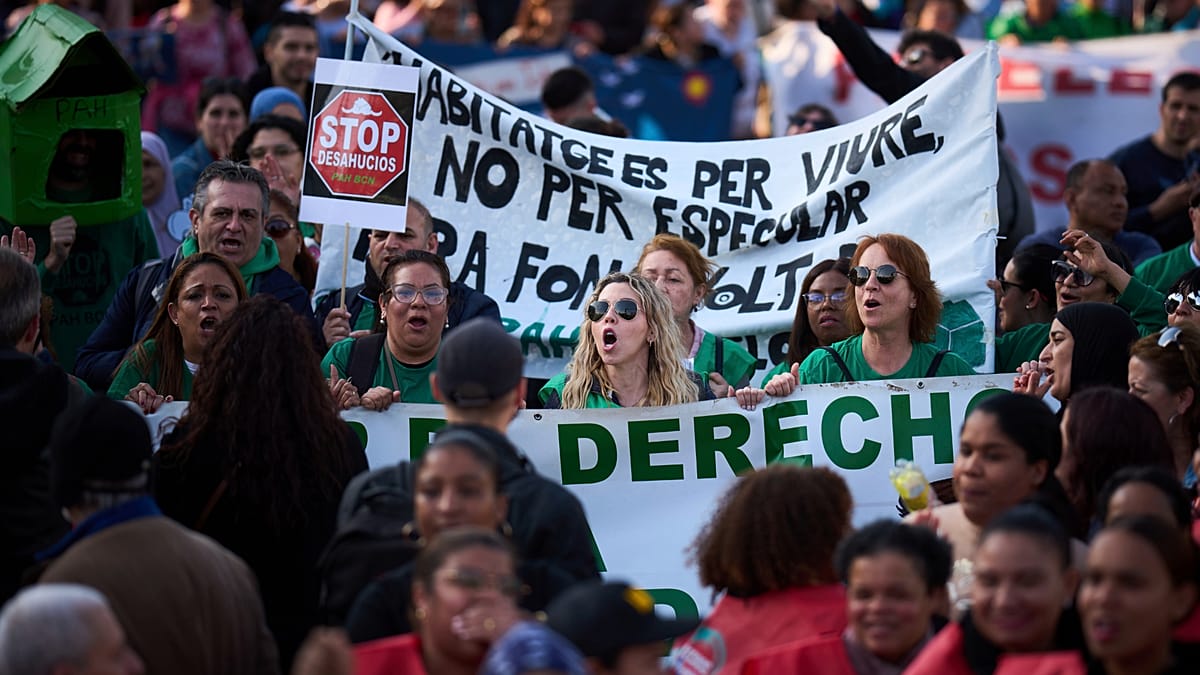

In Lisbon, the struggle for affordable housing has reached a breaking point, with homes costing around 18.7 times the average household income. This staggering price-to-income ratio puts Lisbon alongside Split, a Croatian coastal city, at the top of the list for Europe’s least affordable housing markets. When we think about it, that’s almost double the threshold considered problematic by housing experts. The situation has been brewing for years, and it’s no wonder that protests have erupted in the streets of this vibrant city.
According to Mike Langen, a senior housing economist at ABN AMRO, a price-to-income ratio above 10 indicates a problematic market for buyers. With Lisbon pushing the envelope to nearly 19, many locals are feeling the squeeze. The city’s real estate has skyrocketed by about 240% over the last decade, while wages have only crept up by 59%. This stark contrast raises alarming questions about the sustainability of these valuations based on local incomes.
But hold on, it’s not just Lisbon that’s in hot water. Other major cities like Prague, Milan, and Tirana are also grappling with high price-to-income ratios, hovering around 18.1. Then there’s Vienna at 17.4, Belgrade at 17.2, Paris at 17.0, London at 16.0, and Brno at 15.8. It paints a troubling picture of home ownership slipping out of reach across Europe’s urban landscapes.
Let’s get real here. Families in Lisbon’s informal settlements, such as Talude in Loures, are facing eviction while working full-time jobs. These folks are putting in the hours but still can’t afford market rents. It’s hard not to feel for them. The grassroots movement “Casa para Viver” — which translates to “Homes to Live In” — is shouting from the rooftops about the urgency of the situation. Since 2023, their message, “Já não dá” — “It’s just not working anymore” — resonates deeply with those caught in this housing crisis.
For Jaime Luque, a member of the European Commission, the market may be exceptionally expensive, but it’s not necessarily in a classic speculative bubble. Yet, the warning signs are there. A price-to-income ratio nearing 19 is hard to ignore. The reality is, this gap between incomes and property prices in Lisbon has reached levels we haven’t seen in decades.
So, what’s next? Will these prices finally drop, or are we in for more of the same? One thing’s for sure: the housing crisis in Lisbon is far from over, and residents are left wondering how they’ll ever afford a place to call home.
Kaynak: Orijinal Haber