Chinese Firm Demands Compensation After British Steel Nationalisation

The former owner of British Steel has announced plans to seek compensation from the British government following the nationalisation of the loss-mak

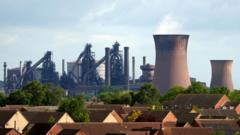
The former owner of British Steel has announced plans to seek compensation from the British government following the nationalisation of the loss-making firm. The UK government took control of the Scunthorpe steelworks about a year ago, which has since raised eyebrows and sparked tension in the relationship between London and Beijing. The decision to nationalise British Steel comes at a particularly sensitive time, with Andy Burnham set to step into Downing Street as the new Prime Minister on Monday. This move has left many wondering: what will be the future of British Steel?

China has been vocally critical of the UK government’s actions, stating that the nationalisation is a serious infringement on the rights and interests of Jingye, the Chinese company that previously owned the steelworks. The Chinese commerce ministry expressed that they would support their firms in protecting their rights, although the specifics of this support remain unclear. The UK government, on the other hand, has defended its decision, citing failed commercial negotiations with the Chinese steelmaker that did not yield a fair deal for taxpayers.

The Scunthorpe plant employs around 2,700 workers and is crucial for various industries in North Lincolnshire. However, it has faced a lot of uncertainty in recent years. A report from the National Audit Office released in March highlighted that keeping the plant operational was costing the government approximately £1.3 million a day. Business Secretary Peter Kyle stated that shutting down the operation was not an option, and assured that the government would continue to cover its running costs “for the immediate future.”

It’s worth noting that British Steel was last in state ownership back in 1988, when Margaret Thatcher’s government privatised it. The current nationalisation of British Steel aims to preserve a vital national capability, with officials stressing that this move is intended to protect future generations. But will it be enough to mend the rift with China? As the situation unfolds, many are left pondering the implications of this nationalisation on international relations and the future of steel production in the UK.

Kaynak: Orijinal Haber

Thames Water’s Future Hangs in the Balance as Government Rejects Rescue Deal

The government has officially objected to a proposed rescue deal for Thames Water, a move that could push the UK’s largest water company closer to na

The government has officially objected to a proposed rescue deal for Thames Water, a move that could push the UK’s largest water company closer to nationalisation. Environment Secretary Emma Reynolds raised concerns over a £10 billion package put forth by the company’s lenders in a letter to the industry regulator on Monday. The alarm bells regarding the firm’s potential collapse first rang three years ago, marking the beginning of a challenging journey for Thames Water. Reynolds emphasized that the deal does not adequately protect consumers or the environment, while Thames’s creditors argued that their plan is the “fastest route” to improve the company’s operations.

Now, if Thames Water does indeed go under, households won’t be left without essential services like drinking water and sewerage. Serving a staggering 16 million customers across the UK, Thames Water has drawn significant criticism lately—think sewage discharges, pipe leaks, and a hefty £122.7 million fine handed down by the industry regulator Ofwat last May for failing to comply with sewage spill rules and shareholder payouts.

In a bid to stabilize the company, a group of existing lenders is willing to write off £9.4 billion of its nearly £20 billion debt while injecting billions more into the business, but they’re asking for leniency on future pollution fines in return. A consortium known as London & Valley Water (L&VW) has promised to pump around £3.35 billion in cash into Thames, alongside a new £6.55 billion debt facility, as part of a grand £10 billion business plan stretching until 2030. Reynolds made it clear on Tuesday that she doesn’t want Thames Water customers to “pick up the bill for the company’s failures,” indicating the government’s preparedness for all scenarios, including temporary nationalisation.

In her statements to the House of Commons, Reynolds expressed three main concerns: the unfair burden on customers, delays in crucial infrastructure investments, and setbacks in environmental improvements. “There’s an expectation in the proposal for customers to fund the investment in the company,” she pointed out, “and I’m not convinced about the proposal’s request to lower performance standards.” She also voiced worries that the long-term resilience of the water and wastewater systems might not be sufficiently safeguarded.

On the flip side, a spokesperson for L&VW confidently stated that their plan is the best way to enhance outcomes for customers and the environment—without relying on government funding or costing taxpayers a dime. They described the proposed deal as a “long-term solution that acknowledges the full extent of Thames Water’s issues,” arguing that all other options would yield worse results for both customers and the environment. Their proposals promise no increase in customer bills beyond what Ofwat has dictated.

As for the regulator Ofwat, they are currently reviewing the proposal, with a decision expected this summer. They reiterated that no decision has been made yet and are engaging with L&VW to assess whether their plans can effectively turn around Thames Water’s operations and financial stability for the betterment of customers and the environment.

Without an agreed-upon rescue deal, Thames Water is on the verge of running out of cash in just a few months, putting it at risk of bankruptcy. The company reaffirmed its belief on Tuesday that a market-led solution is the best path forward for customers and the environment. A spokesperson commented on the positive feedback from the Secretary of State to Ofwat regarding the L&VW plan, stating, “We will continue working with all parties to reach an agreement that supports long-term financial stability.”

The government has expressed a preference for a market-based solution but is prepared to intervene if necessary. The temporary nationalisation option, known as a special administration regime (SAR), would involve government-appointed managers ensuring that essential services continue running. Proponents of this approach argue that it could give Thames Water a fresh start, allowing it to write off some losses and be sold off without the burden of overwhelming debt.

As the situation unfolds, many remember the words of Thames Water’s CEO, Chris Weston, who last July said the company was “extremely stressed” and would need “at least a decade to turn around.” With all these developments, the clock is ticking, and one can’t help but wonder—what’s next for Thames Water and its millions of customers?

Kaynak: Orijinal Haber

Thames Water’s Nationalisation Looms as Government Rejects Rescue Plan

The government has officially objected to a proposed rescue deal for Thames Water, pushing the UK’s largest water company closer to a form of nationa

The government has officially objected to a proposed rescue deal for Thames Water, pushing the UK’s largest water company closer to a form of nationalisation. Environment Secretary Emma Reynolds made her concerns known in a letter to the industry regulator on Monday, raising alarms about the £10bn package that the firm’s lenders have put on the table. The worries about the company’s potential collapse first surfaced three years ago, and since then, the government has been ready to step in if necessary. Reynolds emphasized that the current deal falls short in addressing the needs of consumers and the environment, while Thames Water and its lenders argue that a market-led solution would serve the company and its customers better.

If the worst-case scenario unfolds and the company goes bust, households won’t be left high and dry – they will still have access to drinking water and sewerage services. Thames Water, which caters to around 16 million customers mainly in London and parts of southern England, has faced a barrage of criticism in recent years. From sewage discharges to pipe leaks, the company has not had the best track record. Just last May, it was slapped with a whopping £122.7m fine, the largest ever issued by the water industry regulator, for failing to adhere to rules regarding sewage spills and shareholder payouts.

A group of its current lenders has stepped up, offering to wipe off £9.4bn of the company’s nearly £20bn debt and inject billions more in fresh funds. However, they are asking for leniency regarding future pollution fines in exchange. The consortium, known as London & Valley Water, plans to pour about £3.35bn into the company along with a new £6.55bn debt facility, aiming for a comprehensive £10bn business plan that spans until 2030. A spokesman from the group previously stated that the proposed rescue deal would “fund significant improvements for customers, clean up local rivers and achieve full compliance as quickly as possible.”

On Tuesday, Reynolds reiterated her stance, expressing that she doesn’t want a situation where Thames Water customers are left “picking up the bill for the company’s failures.” She noted that she has reached out to Ofwat to voice her early concerns that the creditors’ proposals fail to sufficiently protect consumers and the environment. The government is prepared for all possibilities, including the temporary nationalisation of the company. Reynolds is scheduled to address Parliament on Tuesday regarding this situation.

Ofwat, the UK regulator for water companies, is currently reviewing the proposal, with a decision expected this summer. If a rescue deal is not reached soon, Thames Water faces a cash crunch and could run out of funds within mere months. Thames Water has responded to the BBC, stating, “We remain of the view that a market-led solution is the best way to secure the long-term stability needed to continue improving performance and advancing our turnaround plan, for the benefit of customers, the environment and our stakeholders.” They further asserted that their focus remains on providing safe, resilient services to customers and collaborating closely with various stakeholders.

The government has previously indicated a preference for a “market-based solution” but reassured that it would intervene if necessary. The temporary nationalisation being considered is known as a special administration regime (SAR), which would place the company under government-appointed management to ensure its vital services continue running. Proponents of this SAR solution argue it could give Thames Water a fresh start, allowing it to shed some losses and be sold off without a hefty debt burden. However, a Thames Water spokesperson has expressed skepticism, suggesting that a SAR would only complicate matters rather than resolve them. They stated, “SAR would delay urgently needed improvements, increase costs, transfer risk and potentially create operational disruption.”

Meanwhile, London’s lenders, London & Valley Water, contend that nationalisation won’t remedy the company’s issues, but merely reset the clock on fixing Thames Water. A spokesperson warned last week that nationalisation would necessitate “billions of pounds of government financial support, increase uncertainty for employees, put pensions at risk, destabilise the supply chain, and complicate delivering the improvements customers deserve.” Back in July of last year, Thames Water’s CEO, Chris Weston, admitted the company was under “extreme stress,” projecting that it would take “at least a decade to turn around.”

So, what lies ahead for Thames Water? The situation is still fluid, and developments are unfolding rapidly. Will the government step in to take control, or can a viable market solution emerge before it’s too late? Keep your eyes peeled for updates…

Kaynak: Orijinal Haber

Thames Water: Nationalisation Looms as Government Rejects Rescue Deal

The government has thrown a spanner in the works for Thames Water, the UK’s largest water company, by objecting to a proposed rescue deal that could

The government has thrown a spanner in the works for Thames Water, the UK’s largest water company, by objecting to a proposed rescue deal that could push the firm closer to nationalisation. Environment Secretary Emma Reynolds stepped up to the plate on Monday, voicing serious concerns about a hefty £10 billion package put forward by the company’s lenders. This isn’t just a minor hiccup; fears about the company’s potential collapse have been brewing for three years, and the government has been standing by, ready to take control if things go south.

You see, Thames Water serves around 16 million customers, primarily in London and parts of southern England, but it’s been in hot water over its performance. The company has faced heavy backlash for issues like sewage discharges and pipe leaks. Just last May, it got slapped with a staggering £122.7 million fine—the largest ever handed down by the water industry regulator—thanks to its breaches on sewage spills and shareholder payouts. So, the stakes are high.

Now, a group of its existing lenders has come forward, offering to wipe off £9.4 billion of the company’s near £20 billion debt and inject billions more. But, there’s a catch—they want some leniency on future pollution fines in exchange. London & Valley Water, a consortium of big financial players, is promising a cash injection of around £3.35 billion along with a new £6.55 billion debt facility. This package is envisioned as part of a £10 billion business plan that stretches all the way to 2030. The lenders claim this deal would fund significant improvements for customers, clean up local rivers, and get the company in full compliance as swiftly as possible.

Ofwat, the body that regulates water companies in the UK, is currently mulling over the proposal, with a decision expected this summer. If no rescue deal is reached, Thames Water could find itself running dry financially within mere months, leading to its potential collapse. The Times, which broke the news, pointed out that the government’s intervention stems from worries that the deal would put an “undue burden” on customers. Reynolds is set to address Parliament on Tuesday, so eyes will surely be on her for updates.

Now, Thames Water and Ofwat have been reached out to for comments on these latest developments. The government has made it clear that it would prefer a “market-based solution” but isn’t afraid to step in if push comes to shove. What’s on the table is a form of temporary nationalisation called a special administration regime (SAR). This would allow the government to keep vital services running through managers it appoints. If the worst were to happen and the company does go belly-up, households would still be provided with essential drinking water and sewerage services.

But, here’s the kicker: a spokesperson for Thames Water has previously stated that a SAR would create more problems than it solves. “SAR would delay urgently needed improvements, increase costs, transfer risk, and potentially create operational disruption,” they said. Yikes! Meanwhile, the lenders at London & Valley Water have warned that “nationalisation is not the right answer.” They argue it would merely restart the lengthy process of fixing Thames Water, require billions in government support, and lead to uncertainty for employees, putting pensions at risk. All this could destabilise the supply chain and hinder efforts to deliver the improvements that customers so desperately need.

Earlier this year, CKI Holdings, a company interested in buying Thames Water, suggested that customers would actually be better off if the utility were allowed to collapse. This way, they and other bidders could jump in to revive the debt-ridden company. CKI’s co-managing director, Andy Hunter, emphasized that the next owner of Thames Water should be an experienced, credible operator with the right expertise and resources to fix the mess. “But we seem to be sleepwalking into a conclusion that will result in the next owner of Thames Water – having, doubtless, many attributes – having none of these attributes,” he lamented.

Last July, Thames Water’s CEO, Chris Weston, did not mince words, declaring that the company was “extremely stressed” and that turning things around would take “at least a decade.” So here we are, folks, at a crossroads for Thames Water. Will the government step in, or will a market-based solution emerge? The future is murky, and the pressure is mounting.

Kaynak: Orijinal Haber