NHS Manager Accuses Trust of Cover-Up Over 4,000 Incident Reports

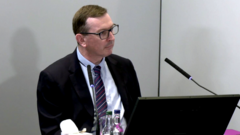
Brian OgoneDonnell, a clinical lead at the St Aubyn Centre in Colchester, has made serious allegations against the NHS trust, claiming they aimed to

Brian OgoneDonnell, a clinical lead at the St Aubyn Centre in Colchester, has made serious allegations against the NHS trust, claiming they aimed to cover up thousands of incident reports. According to OgoneDonnell, he was asked to review around 4,000 reports raised by staff, with some dating back to 2021, and instructed by a senior staff member that “we need to get these gone.” Imagine the scene: a senior figure telling him to sweep those reports under the rug just as an inquiry looms over their heads…

OgoneDonnell’s words ring with urgency as he recalls his immediate thoughts: “There’s an inquiry going on, and they’re panicking about these because no one wants to deal with the fallout.” He expressed his frustration, stating, “I can’t put my name to this and say I’ve thoroughly investigated it because I haven’t.” The reports languished on his dashboard for ages before mysteriously disappearing one day. “I don’t know whether they’ve been dealt with. I doubt it,” he added, revealing concerns that were evidently being brushed aside.

He went on to describe a troubling environment, where staff felt the pressure of being short-handed and had been raising concerns for a long time. “It was very clear that we were short of staff,” he said. The allegations suggest a systematic attempt to silence voices of dissent within the trust. OgoneDonnell mentioned that staff were instructed to say “as little as possible at inquests,” indicating a culture of fear and suppression.

When asked why he decided to come forward with this evidence, OgoneDonnell firmly stated, “I think we owe it to the families. It’s a professional duty to report concerns.” All incidents and concerns should be taken seriously, he argued, emphasizing that they must remain open until any necessary action is taken to resolve the issues raised, with insights shared to improve safety and prevent future occurrences.

In a poignant moment during the inquiry, a mother implored the officials, “Don’t let blood be on your hands.” This statement underscores the gravity of the situation, emphasizing the real human stakes involved in the NHS’s mishandling of these reports. Meanwhile, the trust is reportedly set to spend £30 million on a mental health inquiry, raising questions about where priorities lie and whether they truly care about the safety of patients.

As the inquiry unfolds, many are left wondering: will the truth come to light, or will it all be buried in red tape? The implications of these allegations are staggering, and the public deserves accountability and transparency from those entrusted with their health.

Kaynak: Orijinal Haber
UK’s £10bn PPE Waste: NHS Staff and Patients Risked Amid Covid Chaos

The National Health Service (NHS) staff and patients faced grave dangers during the pandemic due to a shocking lack of adequate personal protective e

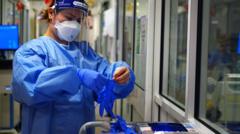
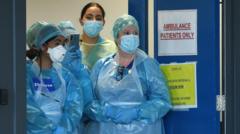
The National Health Service (NHS) staff and patients faced grave dangers during the pandemic due to a shocking lack of adequate personal protective equipment (PPE). In fact, nearly £10 billion of taxpayers’ money was wasted as the emergency stockpile of PPE, designed to last for at least 15 weeks, was running dry by the end of March 2020. Hospitals were in desperate need of these supplies, yet only a third of the masks available in England were fit for purpose. The report highlighted a major failure in planning and execution, revealing that officials and ministers had never stress-tested their contingency plans.

As hospitals ramped up their demands, the government found itself caught off guard. The so-called “VIP lane,” which was intended to prioritize suppliers, turned out to be a misguided attempt that embedded unfairness in emergency procurement. This lack of fairness undermined public trust at a crucial moment when it was needed the most. The inquiry report concluded that it could have been much better if the supply of PPE had been aligned more closely with the actual demand.

Baroness Hallett, leading the inquiry, stated that while she did not find evidence of cronyism or corruption among ministers and officials during the awarding of PPE contracts, the public sentiment remained skeptical. Former cabinet office minister Michael Gove took to social media to dismiss allegations of corruption as “unfounded nonsense,” but he also accepted full responsibility for what he termed “honest mistakes.”

Despite the gravity of the situation, no criminal charges have been filed to date. The National Crime Agency (NCA) has indicated that investigations are ongoing, but the public is left wondering about accountability. A total of 48 witnesses provided oral evidence for this segment of the inquiry, including former health secretary Matt Hancock and Gove himself.

The inquiry’s recommendations call for a radical overhaul of the domestic industry strategy to ensure that such a catastrophic failure does not happen again. A spokesperson for the government acknowledged that the report made for difficult reading, emphasizing that they would carefully consider the findings moving forward.

As the dust settles on this inquiry, one can’t help but ask: what steps will be taken to prevent such a monumental waste of resources in future emergencies? Will the lessons learned from this report translate into real change, or will history repeat itself?

Kaynak: Orijinal Haber

Damning Covid Inquiry Report Reveals PPE Shortages in NHS

The Covid inquiry has dropped a bombshell with its latest report, detailing the shocking reasons why NHS workers were left without adequate personal

The Covid inquiry has dropped a bombshell with its latest report, detailing the shocking reasons why NHS workers were left without adequate personal protective equipment (PPE) when the pandemic hit. Baroness Heather Hallett, the chair of the inquiry, didn’t hold back in her criticism. She highlighted how the country entered the pandemic with its stockpile of masks, gowns, and gloves in a “perilous state.” This is a serious wake-up call, folks!

The report revealed that the pre-pandemic stockpile was not even usable, and believe it or not, Scotland had zero supplies of the crucial FFP3 masks that healthcare professionals desperately needed. Can you imagine? Some staff, in sheer desperation, resorted to using bin bags as makeshift protection or washing and reusing PPE items. That’s how dire the situation was. Hallett emphasized that it “clearly would have been better if supply had been calibrated more closely with demand.”

And what’s more? The inquiry found that a staggering amount of public funds—tens of millions of pounds—were wasted on equipment that could not be utilized. That’s enough to make anyone’s blood boil! Hallett described the VIP lane system introduced in April 2020 as a “misguided attempt at prioritisation.” This system was supposed to expedite PPE supply offers that came with recommendations from ministers, MPs, or other senior officials. However, Hallett pointed out that this created an “embedded unfairness in emergency procurement.”

The inquiry didn’t find outright evidence of cronyism or corruption, but it did reveal a process that was inherently biased towards those with connections to the government. It’s frustrating to learn that while some companies were able to supply PPE through this system, many others were left in the lurch.

The report suggests that the government should have done better in preparing for the pandemic. As Prime Minister Rishi Sunak noted, while the furlough scheme wasn’t perfect, it did prevent mass unemployment. However, when it comes to PPE, the failures have left NHS staff poorly protected and wasted a whopping £10 billion.

So where do we go from here? The findings of this inquiry raise serious questions about the government’s readiness for future health crises. Are we going to see changes, or will history repeat itself? Only time will tell…

Kaynak: Orijinal Haber

NHS Staff Left Vulnerable: £10bn Wasted on PPE Failures

The lives of NHS staff and patients were put at serious risk during the pandemic due to a glaring lack of adequate personal protective equipment (PPE

The lives of NHS staff and patients were put at serious risk during the pandemic due to a glaring lack of adequate personal protective equipment (PPE), according to the Covid inquiry. The investigation revealed that a “vast amount” of taxpayer money was wasted, with the emergency stockpile of PPE—meant to last at least 15 weeks—running critically low by the end of March 2020. Hospitals were overwhelmed, and the demand soared, leaving only a third of the masks in England available for frontline workers.

You won’t believe it, but the report highlights a major failure in planning. It states that the emergency stockpile had “never been stress tested”, and officials were caught off guard. Public trust was “significantly damaged” during a time when confidence was crucial. The inquiry noted that a misguided attempt at prioritization embedded unfairness in emergency procurement processes at a moment when it was needed most.

Now, Baroness Hallett, who led the inquiry, pointed out that she found no evidence of cronyism or corruption among ministers and officials when PPE contracts were finally handed out. However, the crisis has raised serious questions about how prepared the country really was. A day-long session in February 2025 focused on PPE Medpro, a firm linked to businessman Doug Barrowman and his wife, Baroness Michelle Mone, both of whom have denied any wrongdoing related to contracts worth over £200 million.

In a twist, Baroness Hallett ordered that testimonies from senior government officials be taken behind closed doors to avoid tainting an ongoing criminal investigation by the National Crime Agency (NCA). The inquiry is continuing, and the outcomes of any criminal proceedings remain a priority for the agency. Amid all this chaos, the strategy for improving the state of the pandemic stockpile is in the spotlight, especially as it is stored in a massive warehouse in Merseyside.

Will lessons be learned from this significant blunder? How can we ensure that NHS staff and patients are better protected in any future crises? The answers remain uncertain as investigations continue…

Kaynak: Orijinal Haber

NHS App Introduces AI Triage Tool for Better Patient Care

Artificial intelligence is making its way into the NHS app to help patients in England find the most suitable health services for their needs. The h

Artificial intelligence is making its way into the NHS app to help patients in England find the most suitable health services for their needs. The health service recently announced that a new triage tool will be rolled out to over 200,000 patients within the next year. This innovative feature will ask users a series of questions, utilizing their responses to guide them to the right service, whether it’s a GP appointment, pharmacy, A&E, community service, or even self-care advice.

NHS England is optimistic about this update, stating that it aims to ensure patients can express their needs clearly and receive appropriate care from the very beginning. “This hasn’t replaced our judgement – it’s given us back the time to use it,” said NHS representatives, emphasizing that this technology will help clinicians prioritize patients most in need of a GP appointment. The rollout of this system is part of a larger overhaul aimed at improving technology, digital systems, and data management within the NHS.

But that’s not all! In addition to the triage tool, there will also be a nationwide implementation of AI tools that will record conversations between patients and NHS staff. This will lead to real-time transcriptions and clinical summaries, starting with hospital appointments that don’t require an overnight stay at four NHS trusts around London. Trusts like St Georges NHS Foundation Trust in Liverpool and Manchester University NHS Foundation Trust are also expanding their AI note-taking programs. During trials conducted by Great Ormond Street Hospital for Children across nine NHS sites in London, staff reportedly spent nearly 25% more time interacting with patients when using this notetaking technology.

The Royal College of Nursing has lauded this move as a significant step toward upgrading NHS technology and easing the administrative burden on nursing staff. Pritesh Mistry, a fellow at the King’s Fund think-tank, remarked that the announcement is a positive development for patients and staff alike. Conservative shadow health secretary Stuart Andrew also weighed in, expressing his thoughts on the matter.

So, what does this mean for the average patient? Well, it’s a game-changer! Instead of navigating the complex maze of healthcare services alone, you’ll now have a smart assistant at your fingertips, guiding you to the right care. The hope is that this leads to quicker, more efficient healthcare for everyone involved.

As we look ahead, one can’t help but wonder how this technology will truly impact the patient experience. Will it live up to the high expectations? Only time will tell, but one thing is for sure – the NHS is taking bold steps into the future of healthcare.

Kaynak: Orijinal Haber

Women with PMOS Urged to Get Annual NHS Check-Ups for Better Health Monitoring

Women with polyendocrine metabolic ovarian syndrome (PMOS) are being advised to have yearly NHS check-ups to help doctors identify the various healt

Women with polyendocrine metabolic ovarian syndrome (PMOS) are being advised to have yearly NHS check-ups to help doctors identify the various health complications linked to this intricate condition. Previously known as polycystic ovary syndrome, PMOS impacts about one in eight women and was renamed in May to better represent its far-reaching effects on health. The latest draft guidance from health regulator NICE calls for quicker diagnoses and improved monitoring for women suffering from this syndrome.

Now, PMOS stands out as a significant factor in female infertility. Symptoms can range from irregular periods and excessive hair growth to weight gain, which can lead to serious health concerns. Astonishingly, between three and four million women in the UK are believed to have this condition, but many remain undiagnosed or poorly managed, according to NICE. The recommendation suggests that these new annual check-ups should not only focus on the primary symptoms but also consider long-term risks associated with PMOS, such as diabetes and heart disease.

NICE emphasizes that lifestyle changes, alongside treatment, could potentially stave off more severe health issues. While there’s no definitive cure for PMOS, the NHS does offer various treatments to manage symptoms – ranging from hormone support to fertility drugs. However, the guidance notably states that laser and light therapies aimed at hair reduction are not recommended due to their high costs.

Sharon Manship, who has battled PMOS for 30 years, shared her experience with the condition, revealing that it took her more than a decade to receive a proper diagnosis. Sharon, a member of the committee that developed the new guidelines, initially sought support in her early 20s but struggled to get the answers she needed. She believes that the name change to PMOS is a more accurate representation of the condition and urges others to consider this when assessing symptoms and reproductive health.

NICE’s recommendation for a “simple” annual review is viewed as an essential step forward. The draft guideline is open for consultation until August 11, 2026, with NICE inviting feedback from healthcare professionals, patients, and the wider public. The final guideline on PMOS is expected to be published in December 2026, leaving many hopeful for a better understanding and management of this condition in the future.

So, what does this mean for women diagnosed with PMOS? Will these new guidelines lead to faster diagnoses and better health outcomes? Only time will tell, but it seems like a promising step in the right direction.

Kaynak: Orijinal Haber

NHS Maternity System Under Fire: ‘We Can’t Continue Like This!

A national inquiry has strongly criticised the NHS maternity system in England, stating that the current state is unacceptable. Baroness Valerie Amo

A national inquiry has strongly criticised the NHS maternity system in England, stating that the current state is unacceptable. Baroness Valerie Amos, who chaired the government-commissioned review, highlighted a disturbing reality: “As a country, we cannot continue like this.” Her words resonate loudly after a relentless focus on poor outcomes and shocking revelations from leading maternity investigators, who were so troubled by the findings that they resigned in protest.

The inquiry was initiated last summer by then-health secretary, Wes Streeting, aiming to produce a comprehensive report that would drive improvements across England’s maternity services. This move came on the heels of a series of scandals that severely undermined trust in the NHS among countless families. Baroness Amos and her team reached out to over 450 families and inspected 12 NHS trusts, trying to grasp what needed to change. One of the major issues they identified was the unwillingness to listen to women and families, which ultimately led to disastrous outcomes for both mothers and their babies.

What’s worse, the inquiry found significant inconsistencies in the level of care provided, with alarming variations across the health service. Baroness Amos emphasized that the system is fundamentally flawed. One of the immediate calls to action is for maternity units to revamp their triage services, which she described as inadequate. Midwives should be dedicated to answering calls and providing timely advice, while women should be offered face-to-face appointments if they have ongoing concerns. The report insists that if these changes are implemented, “lives will be saved and harm reduced.”

However, not everyone is convinced. Dr. Kim Thomas, who leads the Birth Trauma Association charity, described the report as a “huge missed opportunity,” claiming it fails to capture the real experiences of families. “Injuries from forceps deliveries and the psychological impact on women and their partners were not mentioned,” she pointed out, arguing that the experiences of staff were given too much weight compared to those of patients.

Helen Gittos, whose daughter tragically died under the care of the East Kent NHS Trust in 2014, expressed mixed feelings about the report. Gittos, who chairs the Family Expert Reference Group for the National Maternity & Neonatal Taskforce, believes that many recommendations could indeed make a real difference if acted upon. However, she was left “dismayed” after reading what she felt was an overly positive report.

Meanwhile, the Maternity Safety Alliance, representing families who are calling for a public inquiry, expressed disappointment as well. They argued that the report fails to fully address the systemic issues at play. In response to the findings, the Department of Health and Social Care announced it would take “urgent steps” to address the issues raised in this “landmark” investigation. They assured the public that the Maternity and Neonatal Commissioner will hold the system accountable, drive necessary changes, and work to rebuild trust.

Additionally, the department pledged to unveil a national action plan in December, accompanied by a £41 million investment aimed at enhancing safety in maternity and neonatal care. It’s a desperate attempt to restore faith in a system that so many families have felt let down by over the years.

So, what’s next? Will these changes come fast enough to prevent further tragedies? It’s a question on the minds of many, as families across England await the overdue reforms in a system that has failed them for far too long.

Kaynak: Orijinal Haber

Resident Doctors in England End Strikes with Accepted Pay Deal!

Resident doctors in England have made a significant decision, voting to accept the government’s pay offer, which includes the payment of exam fees.

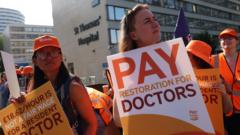
Resident doctors in England have made a significant decision, voting to accept the government’s pay offer, which includes the payment of exam fees. The British Medical Association (BMA) emphasized that these strikes, which stirred considerable tension in the healthcare system, were unnecessary. The focus, according to the BMA, should have always been on securing more jobs for doctors, better pay, and a well-staffed National Health Service (NHS) that can serve patients effectively for years to come.

In a contrasting scene, Northern Ireland’s resident doctors are gearing up for a 24-hour strike that will kick off at 07:00 BST on June 29. This highlights the ongoing unrest in the healthcare sector, as these doctors—who are qualified professionals having completed their medical degrees—make up nearly half of all doctors in England. They are the backbone of the NHS, working tirelessly in critical areas such as Accident & Emergency (A&E) departments and general practice (GP) surgeries.

After finishing their initial medical degree, these dedicated individuals undergo two years of mandatory postgraduate foundation training. Many opt to specialize further in various fields of medicine or surgery. It’s interesting to note that they were previously referred to as “junior doctors,” but starting September 2024, the government has decided to change their title to better reflect their expertise and contributions to healthcare.

The pay deal acceptance marks a pivotal moment for doctors and the NHS alike. However, the uncertainty looms over the ongoing strike in Northern Ireland, as doctors there continue to voice their concerns and fight for better conditions. This situation paints a broader picture of the challenges faced by healthcare workers across the UK.

This breaking news is still evolving, and more details are expected shortly. So, keep your eyes peeled for updates! You can also stay informed by following @BBCBreaking on X or through the BBC News App on your smartphone or tablet for the latest developments.

Kaynak: Orijinal Haber

Nearly 3,000 Patients Daily Left in NHS Corridors: A Disturbing Reality

Nearly 3,000 patients a day had to be cared for in hospital corridors or makeshift treatment areas rather than in a bed on a ward in England last mon

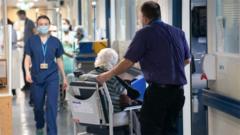
Nearly 3,000 patients a day had to be cared for in hospital corridors or makeshift treatment areas rather than in a bed on a ward in England last month, figures show. This shocking statistic marks the first time such data has been published, revealing the immense challenge the NHS faces in addressing what ministers are calling “unsafe” and “unacceptable” conditions. This situation arises when patients are treated in makeshift areas like corridors, side-rooms, and even car parks for more than 45 minutes, or when they are left near wards without a proper bed. To put this into perspective, this daily number represents about 3-4% of patients arriving at hospitals through Accident and Emergency (A&E) departments.

Digging deeper into the numbers, the data from May indicates that an average of 2,241 patients experienced corridor care while in A&E, with an additional 669 undergoing similar treatment on or near hospital wards. It’s particularly alarming to note that 20 trusts accounted for over half of the corridor care cases in A&E, while another 20 trusts were responsible for more than two-thirds of the cases in other areas of the hospitals.

Patients and staff have shared their harrowing experiences with BBC’s Your Voice. Take Suzanne, for instance, who has taken her elderly mother to A&E in the East Midlands five times this year. Each visit meant an agonizing wait of over 24 hours in a corridor. “Mum was just one trolley in a sea of trolleys,” Suzanne recalls with a mix of frustration and sadness. Her mother, confused and distressed, only received help with basic needs like going to the toilet or getting a drink because family members were present. “If we hadn’t been there, I dread to think what might have happened…”

Kathy’s experience paints a similar picture. Sent to the hospital by her GP earlier this year with a suspected eye infection, she found herself waiting alone in a chair for a staggering 36 hours before being informed that her blurred vision was due to a brain tumor. “It was horrendous… I got home and threw up. I was exhausted and broken,” she said, capturing the emotional toll this situation has taken on patients.

Nurses, who preferred to stay anonymous, have described feelings of burnout and working under impossible conditions. One nurse recalled a shift where the corridor was packed with patients, and tragically, a body had to be wheeled past them on the way to the mortuary. Later, another patient went into cardiac arrest in that same corridor. “Those frail patients watched chest compressions. There’s no dignity in that,” she said, highlighting the grim reality of corridor care.

Another nurse likened her emergency department to a “war zone”, recounting the painful memory of witnessing a patient die unnoticed in the corridor. “He’d started to stiffen because he had been there for so long, dead, with no one noticing. It’s horrific to think someone’s loved one died with no one near them,” she lamented.

In response to this dire situation, ministers have pledged to eliminate corridor care by 2029. Health Secretary James Murray stated emphatically, “Corridor care is unacceptable, undignified, and has no place in our NHS.” He emphasized that publishing this data aims to highlight the most pressing issues and ensure that trusts receive the necessary support, particularly as the majority of corridor care is concentrated within a small number of organizations.

Despite May not being a typical month for acute pressures in hospitals, NHS England noted that the heatwave contributed to increased patient numbers. The Royal College of Nursing’s general secretary, Prof. Nicola Ranger, described the figures as “alarming,” indicating that unsafe and undignified practices are widespread. “Behind these figures aren’t just patients and families suffering, but nursing staff demoralized at being forced to deliver poor care, day in and day out,” she remarked.

Siva Anandaciva from The King’s Fund health think tank also weighed in, stating, “These figures confirm the scale of something that should never have been normalized in the NHS.” While he acknowledged it was a “positive step” to have the figures publicly available, he cautioned, “We have had data on long waits in other parts of the NHS for decades – including A&E departments – and it has done little to stop their rise.”

Bakalım bu durum daha ne kadar devam edecek? Gelişmeleri takip ediyoruz…

Kaynak: Orijinal Haber

Councils Warn NHS Risks Accountability Crisis Without Patient Watchdog

Abolishing the organisation which champions patient views on health and social care would leave the NHS “marking their own homework”, a group represe

Abolishing the organisation which champions patient views on health and social care would leave the NHS “marking their own homework”, a group representing local councils in England and Wales has warned. That’s right, folks! We’re talking about Healthwatch, the independent body that’s been a voice for patients, helping to improve local health and social care services. Now, imagine this: Healthwatch is set to be scrapped, and the Local Government Association (LGA) is ringing alarm bells, saying this could lead to a “fragmented system” that undermines accountability.

Speaking to BBC News, the LGA expressed deep concerns about the lack of a plan for what comes next after Healthwatch is gone. This body currently plays a crucial role in challenging the NHS and local care services whenever patients or the public raise issues. Disbanding it? They warn it would be a “significant step back” in accountability. “Without an independent, locally rooted voice to challenge and represent communities, there is a risk of duplication and gaps in accountability,” the LGA emphasized.

So, what’s the government’s take on this? Well, the Department for Health and Social Care argues that these changes will give patients a “stronger, clearer voice at the heart of health and social care.” But, hang on a second—how exactly will that work? The LGA is calling on the government to “work with local government” to create a clear and workable model that fulfills Healthwatch’s role while keeping it independent. Sounds reasonable, right?

Healthwatch is going to be scrapped as part of broader measures aimed at centralizing the management of health and social care services under the Department for Health and Social Care, which is also getting rid of NHS England. The government claims this will reduce bureaucracy and allow more resources to flow into frontline healthcare services. But is this really the best way forward?

The plans are currently part of the NHS Modernisation Bill, which is making its way through parliament, with the second reading scheduled for Monday, June 1. Under these proposals, Healthwatch’s responsibilities will be handed over to integrated care boards (ICBs) and local authorities. This means they’ll have to respond to feedback about their own services—yup, that’s right, they’ll be grading their own homework. Councillor Dr. Wendy Taylor MBE, chair of the LGA’s health and wellbeing committee, pointed out how this is akin to health services “marking their own homework.” Yani, bu işin neresinden tutsan elinde kalır gibi…

The LGA is also worried that this “fragmented approach” could widen the gap between health and social care. They really want the government to collaborate with local councils instead of going it alone. Healthwatch, let’s not forget, employs over 500 staff and is backed by around 4,000 volunteers across its national and local offices.

Currently, there are more than 150 local Healthwatch organizations in England, and their powers are quite significant. A spokesperson from the Department of Health and Social Care stated that abolishing Healthwatch England is part of efforts to “simplify the patient safety landscape.” They believe that bringing the patient voice closer to decision-makers will make people’s experiences have a more immediate impact on services. But will it really work out as they hope?

In other news, Redditch Borough Council’s leader hinted that “something” is on the horizon after the brothers’ marathon effort. Meanwhile, care inspectors have praised Coventry’s care services, but they flagged concerns over wait times and staffing issues. And let’s not forget Neil Hopper, who got struck off for being deemed an extreme risk to public protection. Oh, and the Department of Health recently introduced an initiative to ensure a maximum two-hour wait for care.

But it doesn’t end there—just two years after opening, the unit at Huddersfield Royal Infirmary is already in need of improvements. What’s next for our healthcare system? We’ll have to stay tuned to see how all this plays out…

Kaynak: Orijinal Haber