
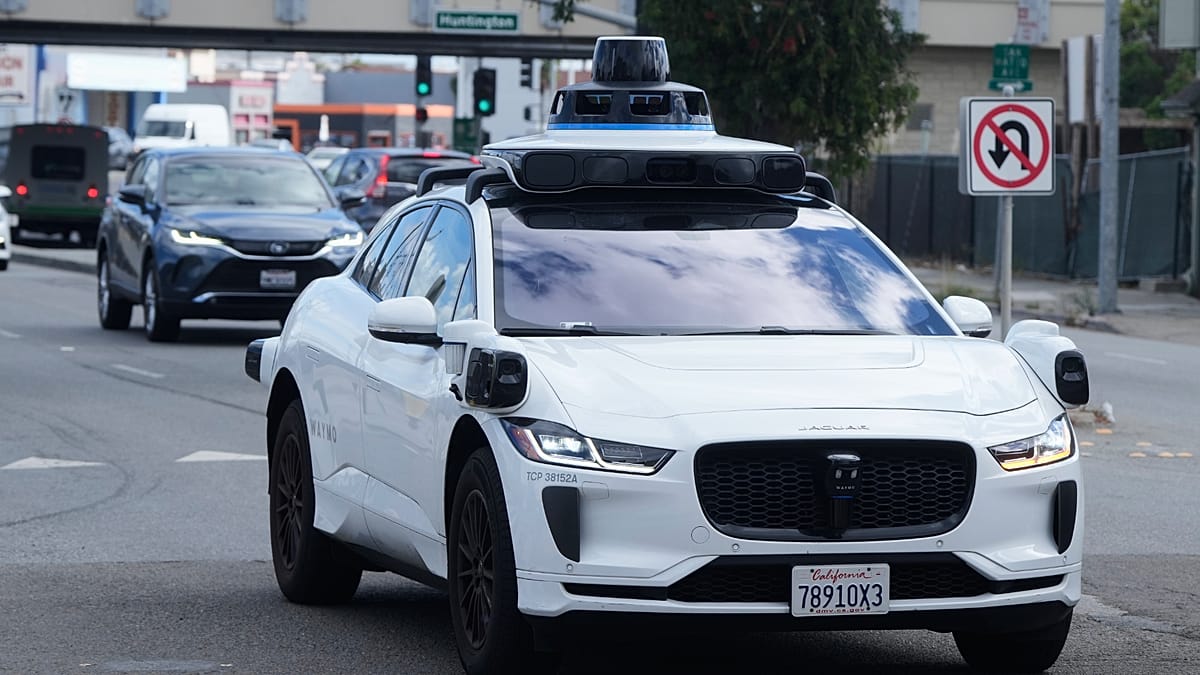
Waymo’nun Münih’e Girişi: Otonom Araçlar Avrupa’da Güvenliği Artıracak mı?

Waymo, otonom araç teknolojisinin öncüsü, Münih’te hizmet vermeye başlayacağını açıkladı. Bu, Avrupa’da otonom araç sektöründe büyü

Waymo, otonom araç teknolojisinin öncüsü, Münih’te hizmet vermeye başlayacağını açıkladı. Bu, Avrupa’da otonom araç sektöründe büyük bir adım olarak kabul ediliyor. Zaten Amerika Birleşik Devletleri’nde birçok şehirde hizmet veren Waymo, Londra ve Tokyo’dan sonra şimdi de Almanya’nın bu güzel şehrine giriş yapıyor. Bakalım bu durum, sürücüsüz taksilerle birlikte sokağımızdaki yaşamı nasıl etkileyecek?

Bu yıl Avrupa’da tüketiciler için iyi haberler peş peşe geliyor. Özellikle Tesla’nın otonom sürüş sistemleriyle ilgili Hollanda’da alınan yeşil ışık, diğer Avrupa ülkelerinin de benzer adımları atmasına neden oldu. Yani, Danimarka, Litvanya ve Estonya gibi ülkeler, Tesla sahiplerine daha fazla seçenek sunmak için hemen onay verdiler. Vatandaşlar, arabalarının yarı otonom özelliklerine ne kadar güveneceklerini seçme özgürlüğüne kavuştu. Yahu, bu gelişmeler bambaşka bir dünyaya kapı açıyor gibi!

Waymo’nun Münih’e gelmesi, sadece taksi yolcuları için değil, aynı zamanda yol güvenliği açısından da büyük bir anlam taşıyor. Nobel ödüllü psikolog Daniel Kahneman’ın daha önce söylediği gibi, makineler sonunda insanlardan daha iyi ve güvenli kararlar verecek. Şimdi elimizde bu durumu destekleyen veriler var. ABD’deki büyük şehirlerden alınan veriler, otonom taksilerin insan sürücülerden 12 ila 20 kat daha güvenli olduğunu gösteriyor. Yani, bu durum, birçok kazayı ve yaralanmayı önlüyor. Avrupa’da her yıl yaklaşık 20.000 yolcu ölümü yaşandığını düşünürsek, bu gerçekten düşündürücü. Kazaların %67’sinin sürücü hatasından kaynaklandığını unutmayalım. İşin aslı, bu durumu değiştirmek için teknolojiye kapı açmak, hem tüketicilerin hem de politika yapıcıların çıkarına olacak.

Münih’te havaalanından şehir merkezine taksi ücretleri 80 ila 90 Euro arasında değişiyor. Otonom taksiler, özellikle uzakta yaşayanlar veya gece geç saatlerde uçuş yapanlar için gerçekten bir devrim niteliğinde olabilir. Daha önce, çağrı uygulamaları geleneksel taksilere bir rekabet yaratmıştı ama şimdi otonom taksiler bu rekabeti daha da ileriye taşıyacak gibi. Sonuçta, ortalama tüketiciler için ulaşım daha ucuz hale gelecek. Vatandaşlar, bu yeni sistemin hayatlarına ne kadar kolaylık getireceğini merakla bekliyorlar.

Waymo gibi firmaların, otomotiv endüstrisinin rakibi olarak görülmemesi gerektiğini de unutmamak lazım. Onlar, aslında sürücünüzü programlayan ve inşa eden şirketler. Özellikle Almanya’nın otomotiv sektörü için bu, otonom araç ekosistemine entegre olmanın büyük bir fırsatı olabilir. Bir gün, dünyanın dört bir yanından gelen ziyaretçiler, Münih’te sürücüsüz, yerel olarak üretilen bir BMW veya Audi ile gezinebilirler. Bakalım bu gelişmeler, önümüzdeki günlerde nasıl bir yol haritası çizecek?

Kaynak: Orijinal Haber
Portugal Set to Test Self-Driving Cars on Public Roads Next July!

Vehicles equipped with self-driving systems will soon be allowed to be tested on public roads in Portugal. That’s right, folks! After a decree-law w

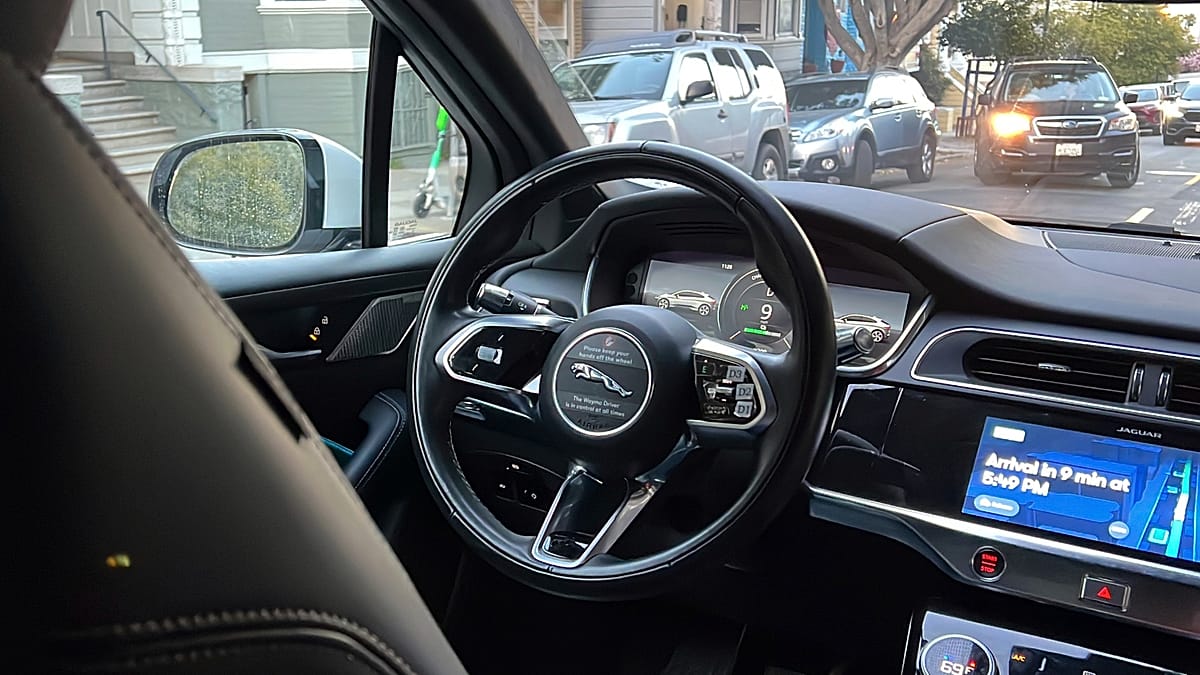
Vehicles equipped with self-driving systems will soon be allowed to be tested on public roads in Portugal. That’s right, folks! After a decree-law was approved by the Council of Ministers at the end of April, the green light has been given for these autonomous vehicles to hit the streets. This new legislation has officially made its way into the Official Gazette, and it will come into effect starting next July.

So, what does this mean? Well, the government is optimistic that autonomous driving will pave the way for innovation in transportation while ensuring safety on the roads. In practical terms, this decree establishes a legal framework that allows public roads to be utilized for testing autonomous driving tech, but there are strings attached. Testing organizations need to secure a license and comply with a set of technical, operational, and safety requirements—no cutting corners here!

The trials are set to be conducted by research laboratories, higher education institutions, and companies in the automotive, infrastructure, and transport sectors. One major requirement is that the insurance coverage for these vehicles must be four times the usual amount. That’s right, folks, a hefty minimum cover is in place to ensure compensation for any bodily injury or material damage that autonomous vehicles might cause to third parties.

And that’s not all! Organizations will also have to submit a risk mitigation plan, showing they’ve got cybersecurity measures in place to fend off any unauthorized access to vehicle systems. Can you believe it? The tests must be notified in advance, and when they’re over, a detailed report must be submitted. Talk about thorough! Additionally, both the driver and the operator responsible for these highly automated or fully automated systems must have held a driving license for at least six years and should have no road traffic offenses in the past five years. That’s a strict check on safety and responsibility!

During the tests, speed limits outlined in the Highway Code will be exceeded by 20 kilometers per hour. Yes, you heard that right! Blood alcohol limits will align with those for professional drivers. Moreover, neither the driver nor the operator can perform their duties for more than three consecutive hours without taking a break of at least one hour. Safety first, always!

Now, here’s where it gets interesting: during these autonomous driving trials, the vehicles will need to be equipped with systems that can record detailed information. This includes characteristics of the automated system, the identity of whoever is in control of the car, and indicators like speed, steering, braking performance, and a history of any interventions by the driver or operator. Pretty impressive, huh? These vehicles will also need to store information on remote commands and communications established with other vehicles, road infrastructure, and various digital connection points.

Oh, and here’s a little tidbit for those with foreign licenses: they’ll be valid in Portugal too! As long as an application for recognition is submitted to the chair of the board of the Institute for Mobility and Transport (IMT), you’re good to go.

So, as we gear up for this technological leap in transportation, what are your thoughts? Will these self-driving cars revolutionize the way we travel, or are we jumping the gun? Gelişmeleri takip ediyoruz…

Kaynak: Orijinal Haber