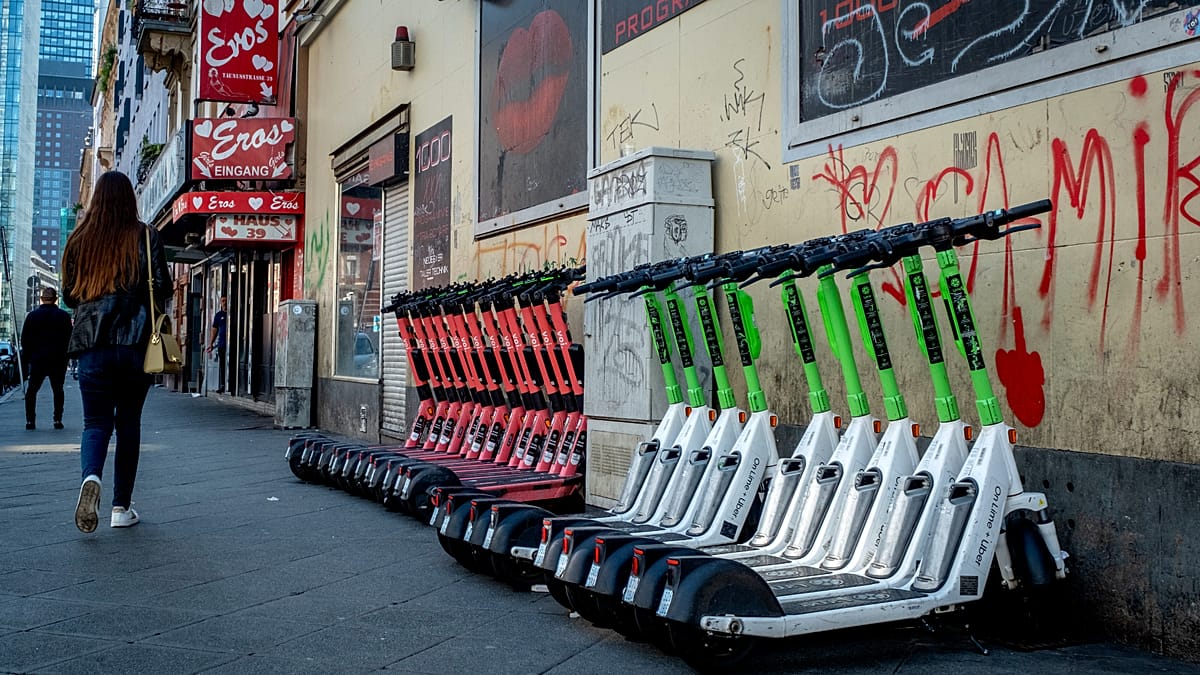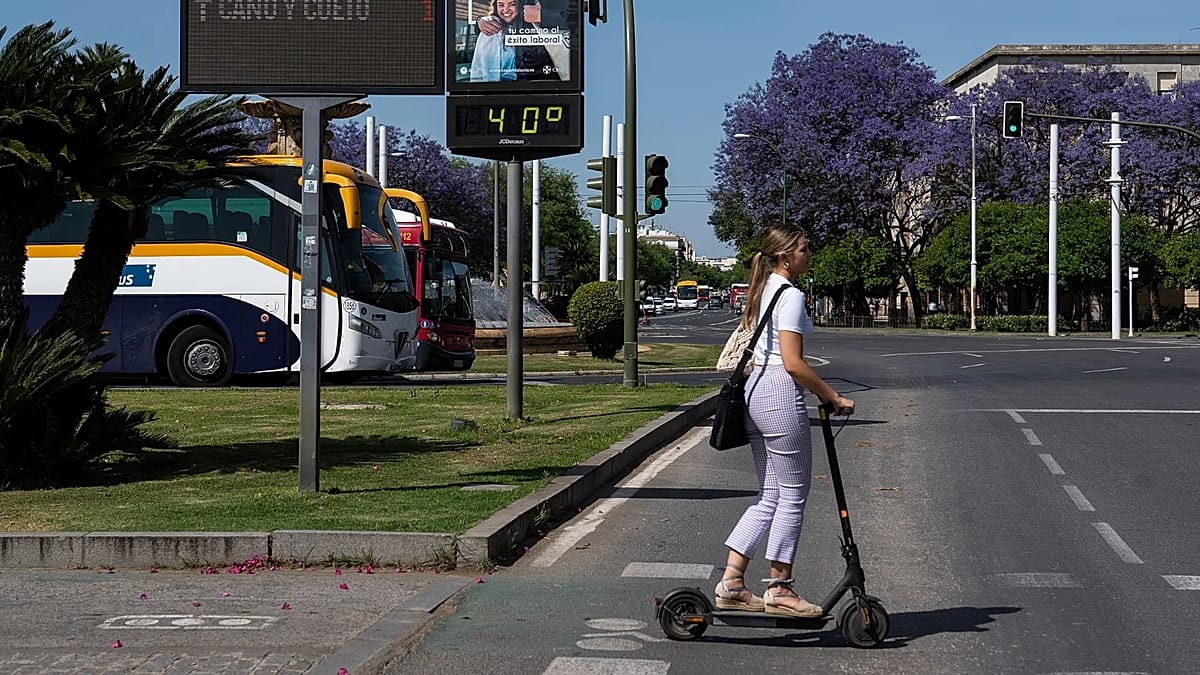

Hospitals across the UK are sounding the alarm as they treat a rising number of children injured in e-scooter accidents. A recent review has shown that trauma centers in Liverpool, Manchester, and Sheffield have collectively treated 477 kids under the age of 16 since 2019. Can you believe it? The number of cases has skyrocketed from fewer than 10 in 2019 to nearly 150 in 2024, and the average age of the injured is just 12 years old, with the youngest victim being only nine. Yahu, hardly any of these kids were wearing helmets when they took a tumble!
Emergency department doctors are now raising their voices, calling for stricter laws to protect these young riders. Currently, in the UK, there are no legal age restrictions, speed limits, or safety equipment requirements for the estimated 1.2 million people who own private e-scooters. It’s like the Wild West out there! Just look at Jacob Calland, who was riding as a passenger when his scooter collided with a BMW; his story is just one of many.
Some e-scooters even come equipped with “turbo modes,” which can make them incredibly dangerous in the hands of inexperienced riders. Most of the accidents reported in Manchester, Liverpool, and Sheffield involved private e-scooters, often being used on public roads, pavements, or footpaths, which is actually illegal. These e-scooters are meant to be used only on private land, but you know how it goes… people don’t always follow the rules.
The Serious Collision Investigation Unit has made it clear: e-scooters are not harmless toys and can lead to horrific consequences when misused. The statistics are troubling, and our hearts go out to anyone who has been hurt on our roads. Policymakers are finally getting the message and are working towards new laws to ensure that e-scooter use is safe and legal, including discussions around mandatory helmet use.
It’s crucial to report these accidents to influence policy change, but retailers also have a responsibility to clearly inform their customers about the laws surrounding e-scooter use. As we navigate this growing issue, one can’t help but wonder: how many more injuries will it take before something is done? The conversation about e-scooter safety is only just beginning, and we need to keep it alive. Let’s stay tuned for what comes next in this ongoing story.
Kaynak: Orijinal Haber