STIHL CEO’s Bold Call: Longer Work Hours Without Extra Pay for Germany’s Future

The family entrepreneur from Waiblingen, southern Germany, Nikolas Stihl, has made a striking statement regarding the state of the German economy. He

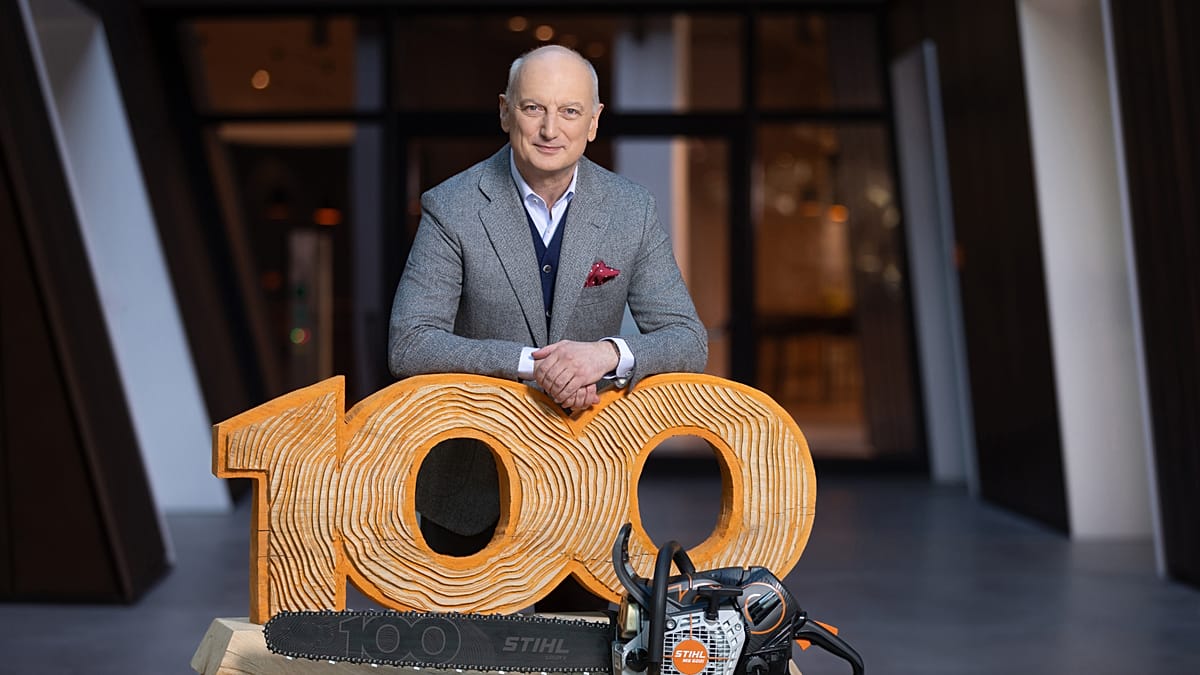
The family entrepreneur from Waiblingen, southern Germany, Nikolas Stihl, has made a striking statement regarding the state of the German economy. He’s not holding back, folks! He’s calling for longer working hours without any additional pay. In 2025, STIHL, known for being the best-selling chainsaw brand since 1971, raked in a whopping €5.48 billion in revenue and had a global workforce of 20,246 employees. The company, founded by Andreas Stihl back in 1926, is proudly celebrating its 100th anniversary this year.

Now, let’s get into the meat of the matter. Stihl emphasized that the situation in the German economy is serious—very serious. Over the past eight years, the country has seen a decline of around 15 percent in industrial output. Can you believe it? Every single month, Germany is losing about 15,000 industrial jobs. Stihl doesn’t shy away from addressing the elephant in the room: the impact of US tariffs and challenges from China. But he insists the root of the problem lies within—home-grown issues that are holding firms back.

He pointed out that the federal government’s planned reforms on health insurance, pensions, taxes, and the labor market are just not enough to lift Germany out of its structural crisis. “If these compromises were to be unpicked now, we need to muster all our strength for further reforms that will generate tangible investment and growth impulses,” he stated. Stihl believes that the governing coalition and social partners must shake off their hesitations and step up to their responsibilities towards Germany.

Stihl argues that if Germany wants to maintain its prosperity and keep social benefits high, the total volume of work in the economy must increase. A higher volume of work means more economic output, people! He frames the debate about working more hours as a necessity for preserving prosperity—not about employees being lazy.

“We don’t have the productivity advantage over our key competitors like we used to justify the high labor costs. That’s why I advocate for increasing weekly working hours to 40, without any pay compensation,” he declared. He acknowledges that it’s a lot to ask from employees, but insists he doesn’t want to take anything away from anyone. The goal? To stay competitive, keep production in Germany, and safeguard jobs.

STIHL operates production facilities in eight countries and boasts 40 sales and marketing subsidiaries along with over 50,000 specialist dealers worldwide. When discussing non-wage labor costs—like contributions to pensions, health, long-term care, and unemployment insurance—Stihl mentioned that a ceiling of 40% of gross wages is the maximum that should be accepted.

Moreover, he’s also calling for more attractive conditions for innovative companies, which includes regulatory breathing space, enhanced tax incentives, and broader access to venture capital. Future-focused sectors like artificial intelligence, robotics, biotechnology, medical technology, space travel, and quantum technologies should receive targeted support.

Stihl concluded with an urgent message, stating, “We must not waste any more time, because only a high-performance and competitive business location can secure prosperity and a strong welfare state.” He reminded us that Germany has proven time and again that it can reinvent itself. The time has come to act with determination. So, what’s next? Will the stakeholders heed his call?

Kaynak: Orijinal Haber
Munich’s Defence Tech Surge: A New Era for a Bavarian City

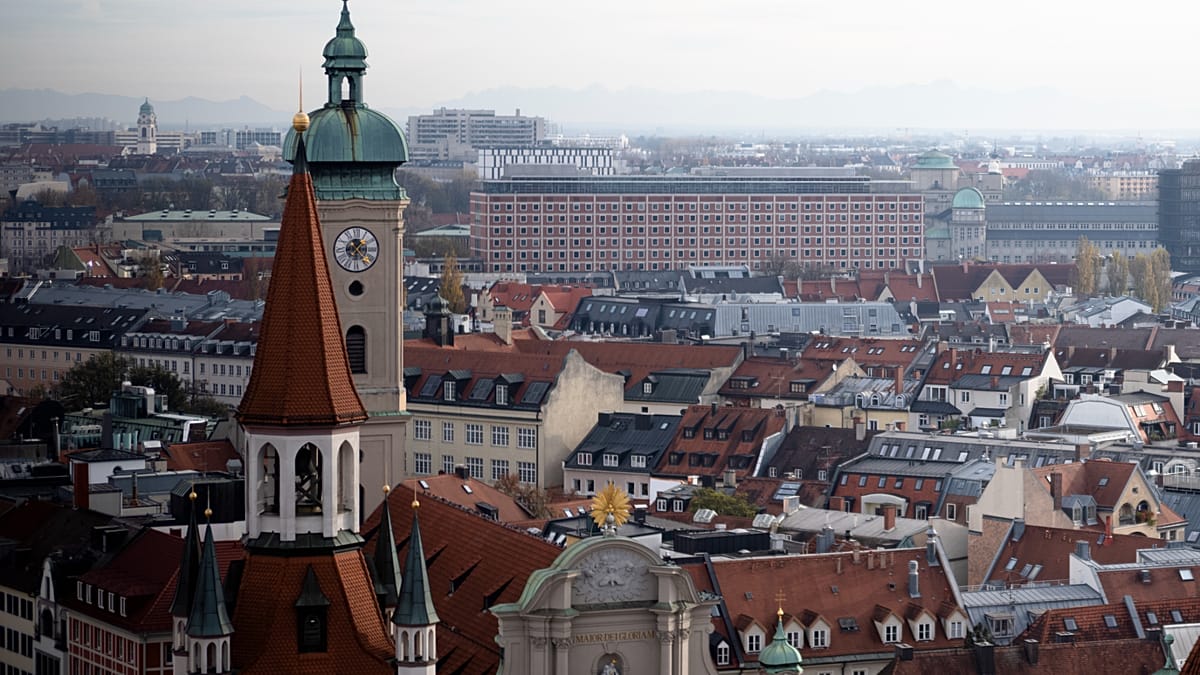
Munich, long known for its beer festivals and football fandom, is rapidly transforming into a defence technology hub. This shift comes in light of Ge

Munich, long known for its beer festivals and football fandom, is rapidly transforming into a defence technology hub. This shift comes in light of Germany’s significant military rearmament plan, with the federal budget for 2026 earmarking around €82.7 billion for defence — a staggering increase of €29.4 billion compared to previous allocations. As troop numbers are set to rise by up to 10,000, total defence spending could soar to approximately €108 billion, marking a 24% increase from last year. This is the first time since 1990 that such a substantial boost has been seen in Germany’s military investments, which now include advancements in land and sea systems.

In the heart of this transformation lies Tytan, a company birthed from a hackathon in Ukraine and founded by two graduates from the Technical University of Munich. Tytan has seen its workforce grow tenfold, and they’re not stopping there; a new production site is on the horizon. Nemo Farber, one of Tytan’s founders, emphasized that their success is built on a unique combination of engineering talent, robust technical universities, and a political environment that supports innovation.

But it’s not just start-ups that are jumping on the defence bandwagon. Munich’s traditional automotive industry, which has been facing its own struggles, is pivoting towards defence roles. Martin Karkour, the Chief Revenue Officer of Quantum Systems, a spy drone manufacturer, noted that this shift is indicative of the city’s evolving industrial landscape. However, it’s not all smooth sailing. Firms in the sector report significant delays due to lengthy security vetting processes and slow permitting for new production facilities. There are also frustrations over budget allocations, which seem to favor traditional heavy weaponry over more innovative autonomous systems.

Defence expert Maximilian Epp from the chamber of commerce pointed out that many companies are unable to fully unleash their production potential due to the slow processing of permits for new warehouses and production sites. The rapid growth of the defence sector in Munich, while promising, is fraught with challenges. The mayor of Munich, Dominik Krause, acknowledges that this growth also comes with risks. For instance, the head of Bavarian drone manufacturer Donaustahl has reportedly gone into hiding due to fears of an alleged Russian assassination plot. Additionally, there was a foiled plot against the CEO of Rheinmetall set for 2024.

So, what’s next for Munich? As the city navigates this defence tech boom, it remains to be seen how these challenges will be addressed. Will the city manage to overcome bureaucratic hurdles and continue on its path of innovation, or will the specter of international tensions and internal struggles slow down this promising development?

Kaynak: Orijinal Haber

Germany Faces Gas Storage Crisis Ahead of Winter: Will Targets Be Met?

Germany is lagging in the crucial race to refill its gas storage facilities ahead of the cold winter months, raising alarms about potential shortage

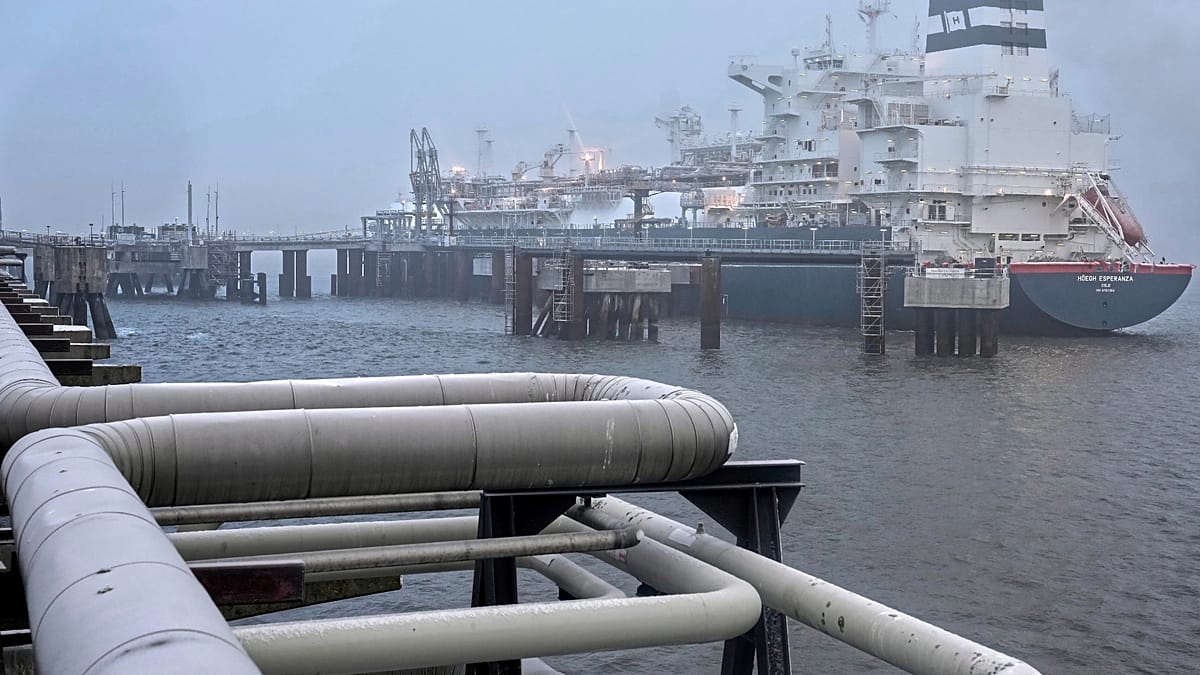
Germany is lagging in the crucial race to refill its gas storage facilities ahead of the cold winter months, raising alarms about potential shortages. As of August 25, the country’s gas storage facilities were only around 51.5% full, a stark contrast to the approximately 69% recorded the previous year. If the current pace of storage injections continues, experts warn that Germany will not meet the statutory requirement of 70% capacity by November 1. Sebastian Heinermann, managing director of the gas-storage association INES, laid it out clearly: “If storage injections continue at their current pace, Germany will not meet the statutory storage filling requirements by 1 November.”

Now, you might be wondering why this is such a big deal. Germany boasts the largest gas-storage capacity in Europe, so any slowdown in its refilling efforts significantly impacts the continent’s overall supply. In fact, Germany currently holds about 45 TWh less gas than it did a year ago—equivalent to the entire gas-storage capacity of the Czech Republic! But it gets even trickier; around 78% of the available storage capacity has already been booked, yet this doesn’t guarantee that it will actually be filled. “Booking gives traders the right to use the space, while the amount of gas injected depends on market conditions,” Heinermann explains.

High prices in the market are making it tough for companies to buy and store gas. Typically, suppliers buy gas at lower prices in the summer, store it up, and sell it at a profit during the winter months. But with the ongoing war in Iran pushing global market prices up, things are changing. Just last Friday, the benchmark European gas price was trading at around €69 per megawatt-hour, a big jump from about €29 at the start of the year. Uniper, a major gas trading company in Germany, echoed these concerns, stating that market conditions are hampering the push for more injections. “Storage spreads have improved recently, but they have not improved to an extent that would make additional storage injections economically viable,” a spokesperson said.

Despite these challenges, there’s still hope. Uniper mentioned that Germany could hit its target of 70% or more by November 1 if market conditions change to create stronger incentives for injections. The German Economy Ministry reiterated that while storage levels currently look low compared to previous years, they don’t foresee an immediate gas shortage this winter. They highlighted that Germany has multiple options for gas supply, including Norwegian pipeline gas, LNG terminals, and imports from neighboring countries.

The stakes are high, though. Heinermann cautioned that if gas storage facilities remain inadequately filled during a particularly cold winter, Germany may struggle to meet its normal gas demand. “If gas prices then rise above the level that industrial consumers can afford, companies will be forced to cut production,” he warned, suggesting that this could lead to significant economic fallout.

It’s not just the energy sector that’s worried; manufacturers and other industries are feeling the heat too. The German Pharmaceutical Industry Association BPI pointed out that many production processes depend heavily on gas and can’t easily be adjusted or shut down on short notice. The mechanical engineering sector has also raised alarms, with VDMA’s Thilo Brodtmann stating, “A physical gas shortage or skyrocketing prices would pose a significant threat to the industry.”

To tackle these challenges, the focus has shifted to enhancing financial incentives for companies to store gas. Heinermann proposed that removing network charges for storage and the gas conversion levy could lower storage costs and make injections more appealing. If companies fail to utilize their booked storage capacity, there’s a risk Germany will miss its filling target. In that case, the unused capacity could be made available to Trading Hub Europe, allowing for public tenders to secure additional gas for storage.

Moreover, looking ahead, Germany has plans to introduce a state-controlled strategic gas reserve by the 2027-28 storage year to shield against major import disruptions, although this initiative has yet to be passed into law. It’s clear that while immediate threats may not seem dire, the situation is fluid and could change with a harsh winter on the horizon. Will Germany manage to fill its gas storage in time, or are we facing a winter of uncertainty?

Kaynak: Orijinal Haber

14,000 UFO Sightings in Germany: What’s Really Going On?

Germany has been buzzing with reports of UFO sightings, with a staggering 14,000 cases recorded recently! The UFO reporting center in Hesse is on th

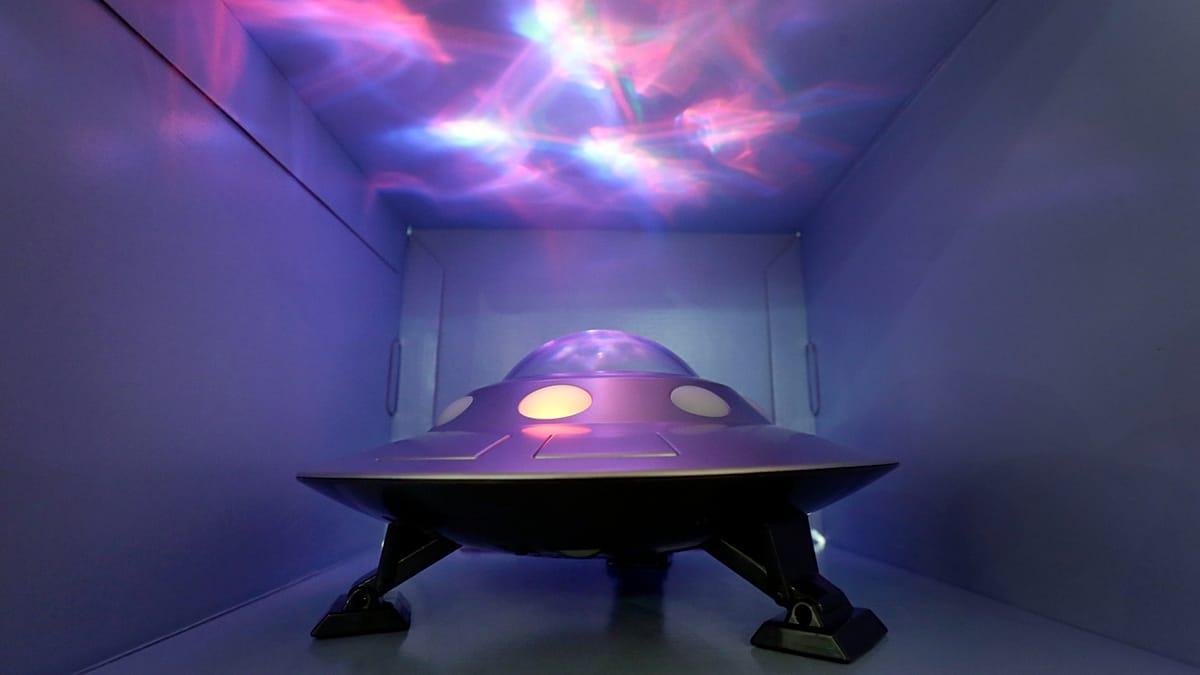
Germany has been buzzing with reports of UFO sightings, with a staggering 14,000 cases recorded recently! The UFO reporting center in Hesse is on the case, diving deep into these mysterious encounters. Imagine that—14,000 people claiming to have seen something out of this world! It’s enough to make anyone curious about what’s really happening in the skies above Germany.

The Hesse reporting center has become a hub for these unusual sightings. People from all walks of life are coming forward, sharing their stories and experiences. “It’s not just a few isolated incidents,” said a representative from the center, who noted that the surge in sightings has been both exciting and puzzling. “We’re talking about thousands of reports from all over the region. It’s a phenomenon that we can’t ignore.”

But what does it mean? Are these just misidentified planes or drones, or is there something more? The center is working hard to investigate each report, analyzing photos, videos, and eyewitness accounts. “Some of these sightings are pretty convincing,” the rep added, scratching his head. “We’ve seen lights in the sky that can’t easily be explained.”

Think about it—how often do you look up and see something that doesn’t quite fit? “I was just out for a walk,” said one local witness, “and I saw this bright light darting around. It was like nothing I’ve ever seen before!” People are left bewildered, and it’s creating quite the buzz in cafes and community centers across the country. The conversations are lively, with folks sharing their own theories and speculations about what these sightings could mean.

The increase in sightings has also sparked interest in UFO culture in Germany. Documentaries and podcasts are popping up, diving into the mystery and allure of the unknown. It seems like everybody wants a piece of the action. “Maybe it’s time for a proper investigation,” a local enthusiast suggested, eyes sparkling with excitement. “We need to know what’s really out there!”

As investigations continue, the Hesse UFO reporting center is urging people to stay calm and report any strange sightings. “Every report counts,” they emphasize. “We’re trying to piece together a bigger picture.” With so many reports coming in, it’s almost like a puzzle waiting to be solved. What do you think? Are we on the brink of discovering something extraordinary, or is it just our imagination running wild?

Kaynak: Orijinal Haber

Jürgen Klopp Resmi Olarak Almanya Milli Takımı’nın Yeni Teknik Direktörü Oldu!

Jürgen Klopp has been officially confirmed as the new coach of the German national football team. The German Football Association DFB unveiled the

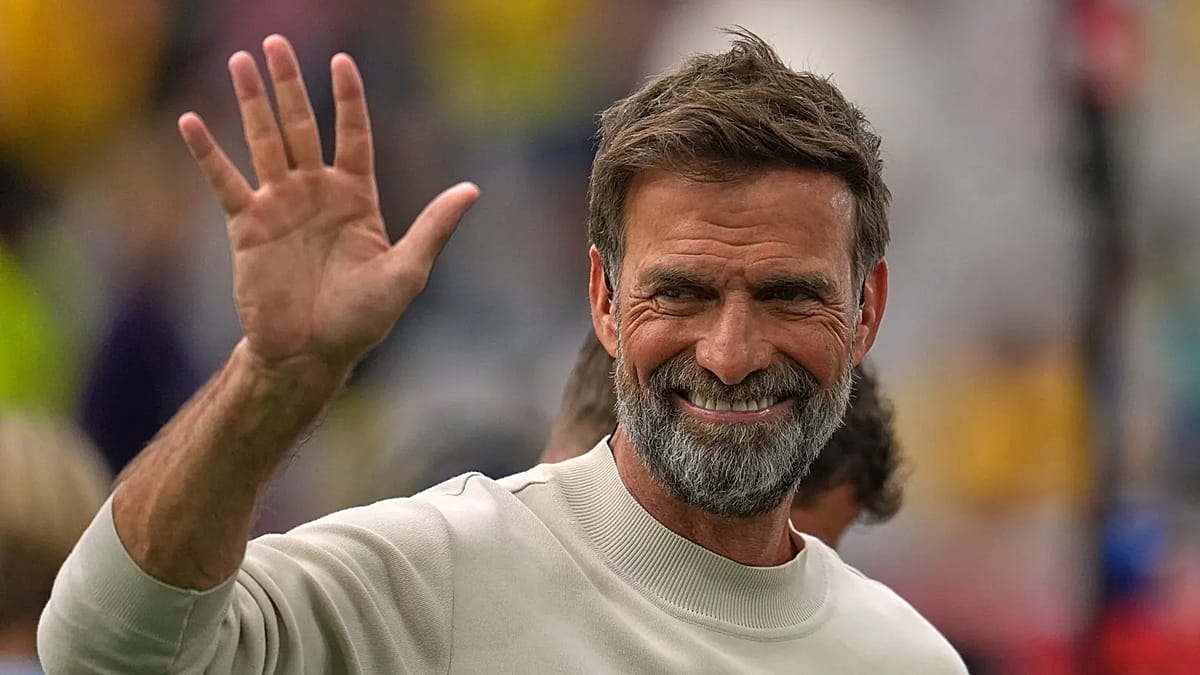
Jürgen Klopp has been officially confirmed as the new coach of the German national football team. The German Football Association DFB unveiled the 59-year-old at its headquarters in Frankfurt on Friday morning. This decision comes on the heels of the departure of previous head coach Julian Nagelsmann, and it’s a move that many fans are buzzing about. Klopp’s impressive club record and his high-energy approach are seen as pivotal for revitalizing the fortunes of the national team.

But hold on, it’s not all smooth sailing ahead for Klopp. The challenges are significant, especially after Germany faced yet another early exit from the World Cup. He’s got some big decisions to make, like figuring out if Joshua Kimmich should keep the captain’s armband and who will step up to fill the shoes of veteran goalkeeper Manuel Neuer, who recently announced his retirement from international football. And let’s not forget about balancing the needs of older players like Antonio Rüdiger and Leon Goretzka while also giving younger talents a shot at making the squad.

Klopp is expected to take some time to chat with the team’s leaders before he dives into his first major decisions. And let’s talk about his coaching staff—he’s not going in alone! Peter Krawietz is back as his assistant, and Pepijn Lijnders, who shared a lot of successful moments with Klopp at Liverpool, is joining the coaching crew as well. Plus, former Germany international Sven Bender will add to the strength of the team.

Now, time is not on Klopp’s side. His debut will be on September 24, when he takes the touchline for a Nations League match against the Netherlands, followed by games against Greece and Serbia shortly after. Can you believe it? Klopp kicked off his coaching career back in 2001 at 1. FSV Mainz 05, leading them to the Bundesliga for the very first time. Then came his successful stint at Borussia Dortmund, where he bagged two German league titles and took BVB to the Champions League final. At Liverpool, he became a club legend, winning the Champions League in 2019 and snapping a 30-year title drought by lifting the English league title in 2020.

After leaving Liverpool, Klopp took a step back into an international leadership role, but now he’s diving headfirst into the challenge of leading the national team. His contract with the German FA runs until after the 2030 World Cup, which gives him a solid timeframe to implement his vision.

Bakalım bundan sonra ne olacak? Klopp’un yeni görevinde neler başarabileceğini heyecanla bekliyoruz.

Kaynak: Orijinal Haber

Azerbaijan Expands Cooperation with Germany Beyond Oil and Gas

Azerbaijan is stepping up its relationship with Germany, and it’s not just about oil and gas anymore. This shift marks a significant change in how

Azerbaijan is stepping up its relationship with Germany, and it’s not just about oil and gas anymore. This shift marks a significant change in how Azerbaijan positions itself in the European market. The partnership is now reaching into various sectors including technology, agriculture, and education, aiming to create a sustainable economic environment that benefits both countries.

Recent discussions have highlighted the potential for Azerbaijan to become a pivotal player in Europe, especially as the global energy landscape is shifting. While oil and gas remain crucial, Azerbaijan is eager to showcase its diverse economic capabilities. High-ranking officials from both countries have met to discuss how they can expand their collaboration into new areas like renewable energy, information technology, and even cultural exchanges.

You might be wondering, why the sudden push? Well, Germany is looking for reliable partners to secure its energy needs and diversify sources. Azerbaijan, on the other hand, aims to reduce its dependency on hydrocarbons by nurturing other sectors. This is a win-win situation, folks. With both nations sharing expertise and resources, they’re paving the way for a more resilient economic future.

Furthermore, Azerbaijan’s strategic location as a bridge between Europe and Asia gives it a unique advantage in trade. It’s not just about exporting energy; it’s about establishing a strong foothold in various industries that can thrive in the European market. The collaboration with Germany could also lead to job creation and innovation back home, which is something every Azerbaijani is rooting for.

And let’s not forget, this partnership isn’t just business; it’s about cultural understanding and enhancing people-to-people connections. There are plans for joint educational programs and cultural exchanges that will deepen ties beyond mere transactions. This could foster a sense of community and shared goals between the two nations.

So, as we look ahead, the question remains: how will this evolving partnership affect the broader geopolitical landscape? Will Azerbaijan successfully transition into a more diversified economy, or will it face challenges along the way? Only time will tell, but one thing is for sure: the world is watching.

Kaynak: Orijinal Haber

Germany Tightens E-Scooter Rules: Lime and Bolt Face Liability

Germany is stepping up its game by closing a legal loophole that has left countless e-scooter accident victims high and dry. From now on, rental comp

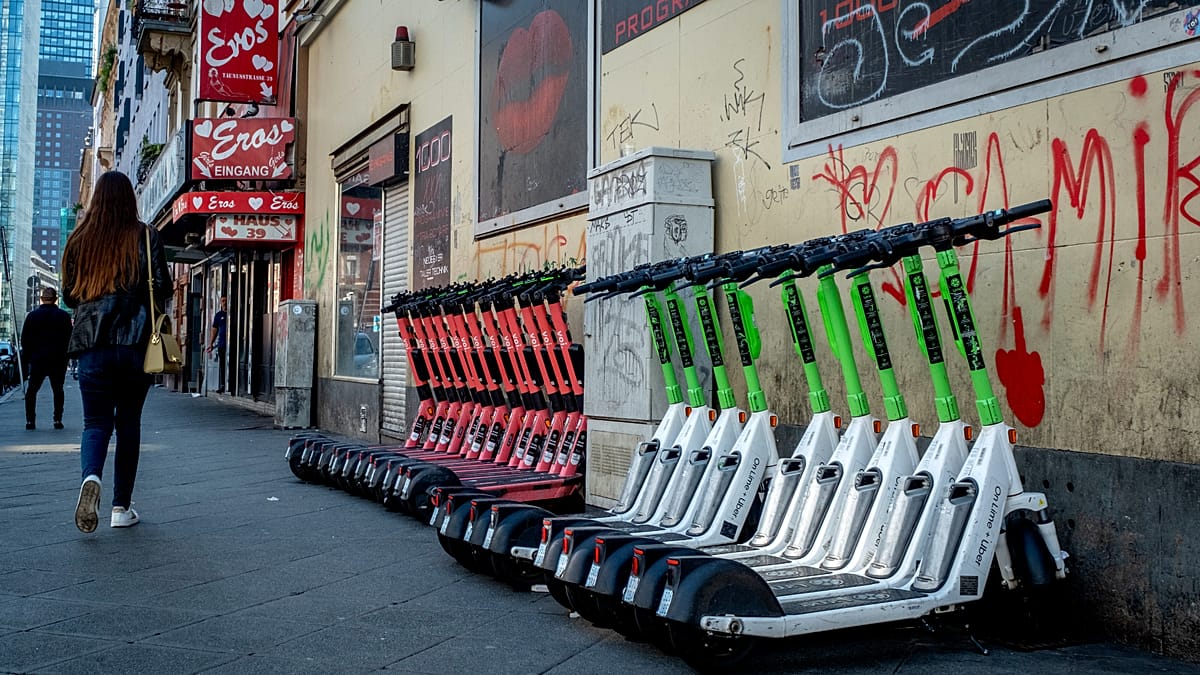
Germany is stepping up its game by closing a legal loophole that has left countless e-scooter accident victims high and dry. From now on, rental companies like Lime and Bolt will be held directly responsible for accidents involving their vehicles. This move comes as a response to a rising number of accidents, including those caused by scooters carelessly left blocking pavements. Under the new legislation, operators will face strict liability as owners, regardless of whether they were at fault. Meanwhile, riders will be presumed at fault unless they can prove otherwise—a significant shift from the current rules where victims must prove the rider was at fault, often an impossible task if the rider can’t be identified.

Now, you might be wondering why this matters so much. Well, the German Federal Ministry for Justice and Consumer Protection argues that the benefits of e-scooter services are mainly reaped by fleet operators, so it’s only fair they bear the risks too. The new rules won’t just apply to e-scooters but also some self-balancing vehicles, though e-bikes are left out of the equation.

The government points out that the existing regulations no longer reflect the explosive growth of e-scooters on German streets. The number of insured e-scooters jumped over five times, from 180,000 in 2020 to a whopping 990,000 in 2023, according to the German Insurance Association. Now, that’s a staggering increase! And with this growth, claims for third-party damage have also shot up, from just 1,150 in 2020 to an expected 5,000 in 2024. It’s interesting to note that rental scooters made up about one-fifth of insured e-scooters in 2023 but accounted for around 40% of damage claims.

But wait, there’s more! Beyond the usual collisions and pavement blockages, authorities are also raising alarms about the lithium-ion batteries in e-scooters, which can spark serious fires if they’re damaged or improperly charged. This has led to safety concerns that have resulted in several European cities opting to remove shared e-scooters altogether. Paris, for example, pulled the plug on rental services in 2023 following a public vote. Madrid followed suit in 2024, revoking operators’ licenses due to failures in managing riding and parking. Prague decided to kick shared e-scooters off its streets in January 2026, and Brussels is expected to do the same by January 2027.

So, what does this mean for the average citizen? It means that if you find yourself in an unfortunate situation involving an e-scooter accident, claiming compensation might just become a lot easier. But, as the landscape continues to change, what other surprises might be lurking around the corner?

Kaynak: Orijinal Haber

Controversial Sick Note Policy Sparks Debate in Germany

Chancellor Friedrich Merz has stirred up a significant row in Germany, announcing a new policy that requires workers to present a sick note to their

Chancellor Friedrich Merz has stirred up a significant row in Germany, announcing a new policy that requires workers to present a sick note to their employers on the very first day of illness. The Chancellor, representing the conservative Christian Democratic Party (CDU), emphasized that the number of sick days in Germany was “too high,” pushing for strict measures that would require employees to physically visit doctors to obtain this documentation. This proposed change also means workers can no longer secure a sick note via phone, a convenience that was introduced during the Covid-19 pandemic.

“This is a tough decision,” Merz stated during an interview on ARD TV Thursday night. He firmly believes that the government must not accept what he describes as “exorbitant” sick leave rates, which he claims are among the steepest in the EU. The decision comes as part of broader reforms intended to overhaul Germany’s tax, labor, and pension systems, aimed at reviving the economy while grappling with an aging population.

However, the response from the medical community has been overwhelmingly critical. The KBV, which represents statutory health insurance physicians, described the requirement as bordering on madness, arguing that forcing thousands of people to visit a doctor’s office merely to fill out forms is impractical and burdensome. They raised concerns that minor illnesses, which would typically require just a day or two of rest, would unnecessarily clog doctors’ waiting rooms.

Labour Minister Bärbel Bas, also from the SPD, has expressed her reservations about the new requirement, stating, “That wasn’t my proposal,” and indicated she would look into the implications of enforcing such a rule. Meanwhile, Jens Spahn, the CDU’s head, highlighted the need for workable solutions to address the rising sick leave rates without reverting to pre-pandemic norms.

As the debate continues, many citizens are left wondering how this will impact their day-to-day lives. Will people now hesitate to call in sick, fearing the added hassle of securing a doctor’s note? How will this affect the already strained healthcare system?

As discussions unfold, one thing is clear: the issue of sick leave in Germany is far from settled. The government’s approach to handling health-related absences is being scrutinized more than ever, and the public’s reaction will likely shape future policies.

Kaynak: Orijinal Haber

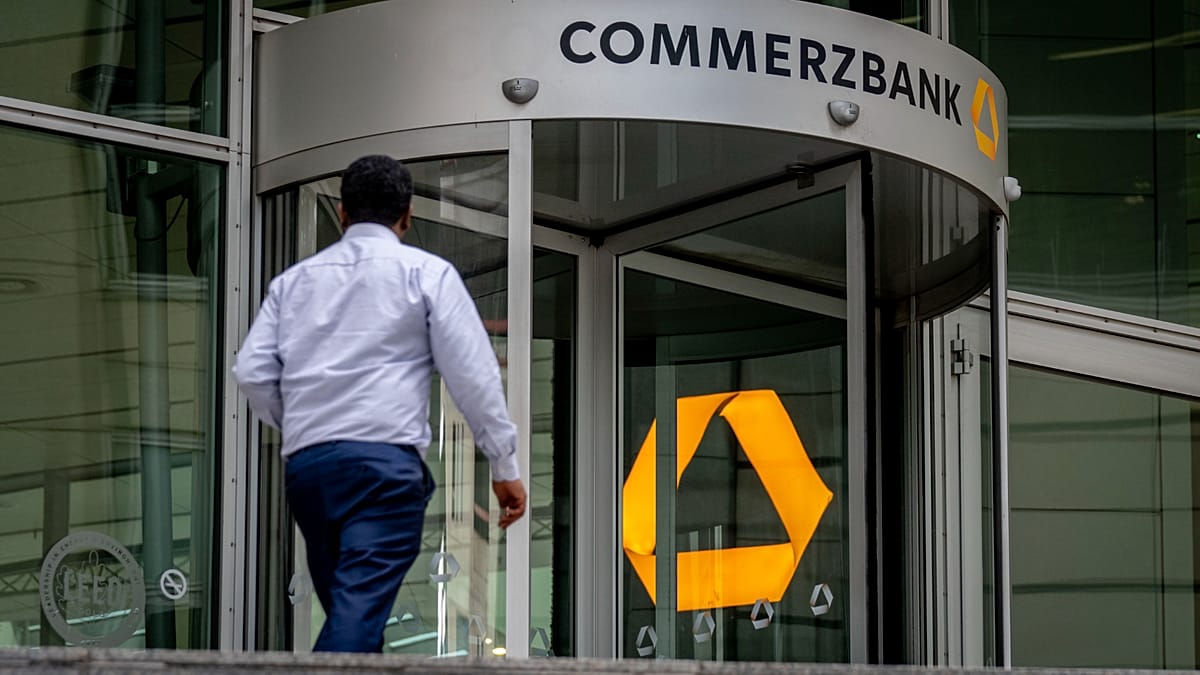
Germany Blocks UniCredit’s Commerzbank Bid, But Shares Surge!

Germany has made a bold move by blocking UniCredit’s bid for Commerzbank, stirring up quite a stir in the financial world. This unexpected decisio

Germany has made a bold move by blocking UniCredit’s bid for Commerzbank, stirring up quite a stir in the financial world. This unexpected decision came as a shock to many, but here’s the kicker: despite the blockage, Commerzbank’s share prices skyrocketed. Yes, you heard it right!

Now, let’s dig deeper. The German government, known for its protective stance on national financial institutions, stepped in to halt the merger talks. They see Commerzbank as a crucial player in the banking sector, and they’re not keen on letting a foreign giant take control. The timing of this decision is interesting, with UniCredit’s bid, which was seen as a potential lifeline for the struggling bank, hitting a brick wall. But hold on, because while the merger may be off the table, investors seem to be betting on a different future.

In fact, reports show that Commerzbank’s shares have surged by nearly 10% since the announcement. Can you believe that? Investors are likely optimistic about the bank’s independence and potential for recovery on its own. It seems that the market is confident in Commerzbank’s ability to navigate through its challenges without foreign intervention.

The situation has left many wondering what’s next for both UniCredit and Commerzbank. Will UniCredit make another attempt, or has this setback caused them to rethink their strategy altogether? On the other hand, what will Commerzbank do now that they have a chance to chart their own course?

As analysts weigh in, the sentiment is mixed. Some believe that a merger could have brought much-needed resources and stability, while others argue that staying independent might allow Commerzbank to innovate and grow without the constraints of a larger entity.

It’s a classic case of “you win some, you lose some.” As the dust settles, we’re left with more questions than answers. What does the future hold for Commerzbank? Will UniCredit bounce back from this setback? One thing’s for sure: the financial world will be keeping a close eye on these developments.

Kaynak: Orijinal Haber

Germany Dominates Curaçao 7-1, but the Caribbean Nation Celebrates Historic Goal!

Germany put on a dazzling display on Sunday, demolishing Curaçao with a staggering 7-1 victory to claim the top spot in Group E. Can you believe it

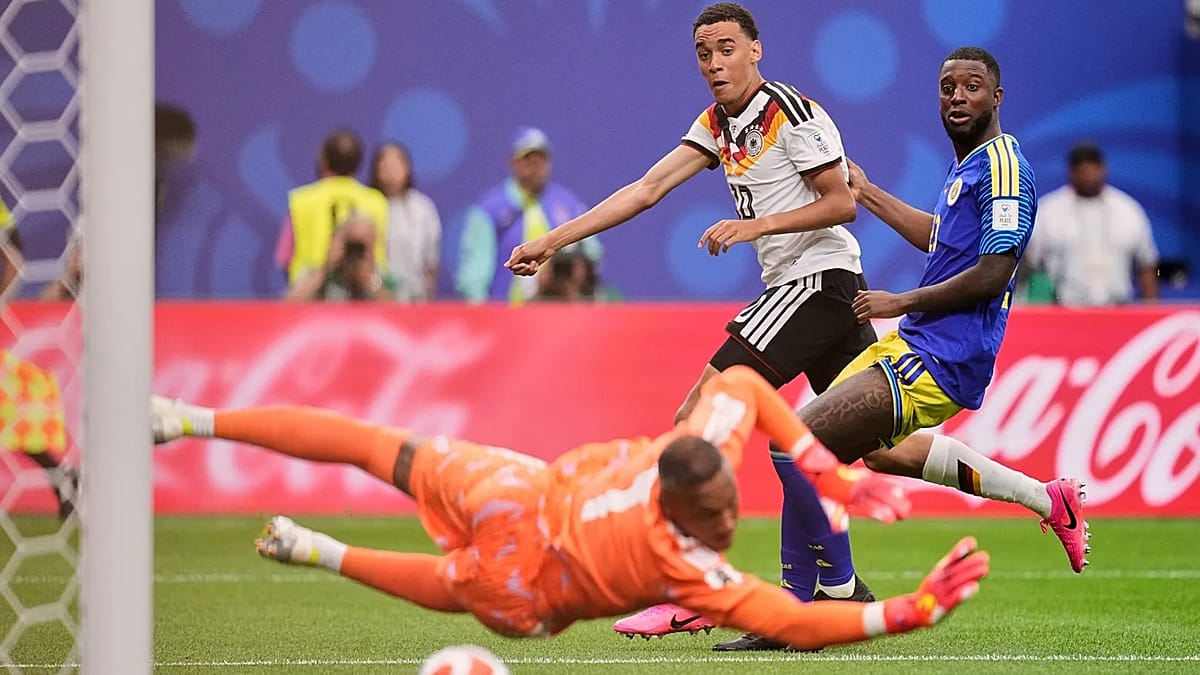
Germany put on a dazzling display on Sunday, demolishing Curaçao with a staggering 7-1 victory to claim the top spot in Group E. Can you believe it? The game kicked off at Houston Stadium, where the German squad was expected to steamroll over the smallest nation ever to compete in a FIFA World Cup. But hold on! In a twist that got everyone buzzing, Curaçao managed to score its very first World Cup goal just six minutes into the match. Livano Comenencia’s shot, initially blocked by a German defender, found its way past the iconic Manuel Neuer, sending shockwaves of joy through the stands filled with Curaçao fans. Yahu, you should’ve seen their faces light up!

This historic moment wasn’t just about the scoreline. It was a celebration of football for Curaçao, a tiny island nation in the Dutch Caribbean, who had never before found the net in World Cup history. Imagine the jubilation! The goal was like a spark in the atmosphere, igniting the spirits of fans who had traveled all the way to witness this monumental occasion. The goal, while overshadowed by Germany’s overwhelming dominance, had a life of its own.

Germany came into this match with a legacy of four World Cup victories, a team well-versed in the pressure of high-stakes games. They had previously conquered the tournament in 1954, 1974, 1990, and 2014. But let’s not forget, it had been twelve long years since their last opening match victory, and boy, did they make up for it! After conceding that early goal, the Germans rebounded fiercely, scoring seven times. Just imagine the roar of the crowd as they turned the tide, with goals raining down like confetti!

As the minutes ticked by, the German team showcased their tactical prowess and unmatched skill, leaving the Curaçao players struggling to keep up. The scoreline, however, didn’t dim the spirits of the Curaçao fans, who were there to make history, and they certainly did. Their fans danced and cheered, celebrating not just their first goal, but their participation in this grand event.

So, what’s next for these teams? Well, the competition continues. The Ivory Coast and Ecuador are set to clash in the next Group E fixture at 1:00 am Central European Time. Will they bring the same drama and excitement? Only time will tell, but one thing’s for sure, the world will be watching closely.

Kaynak: Orijinal Haber