
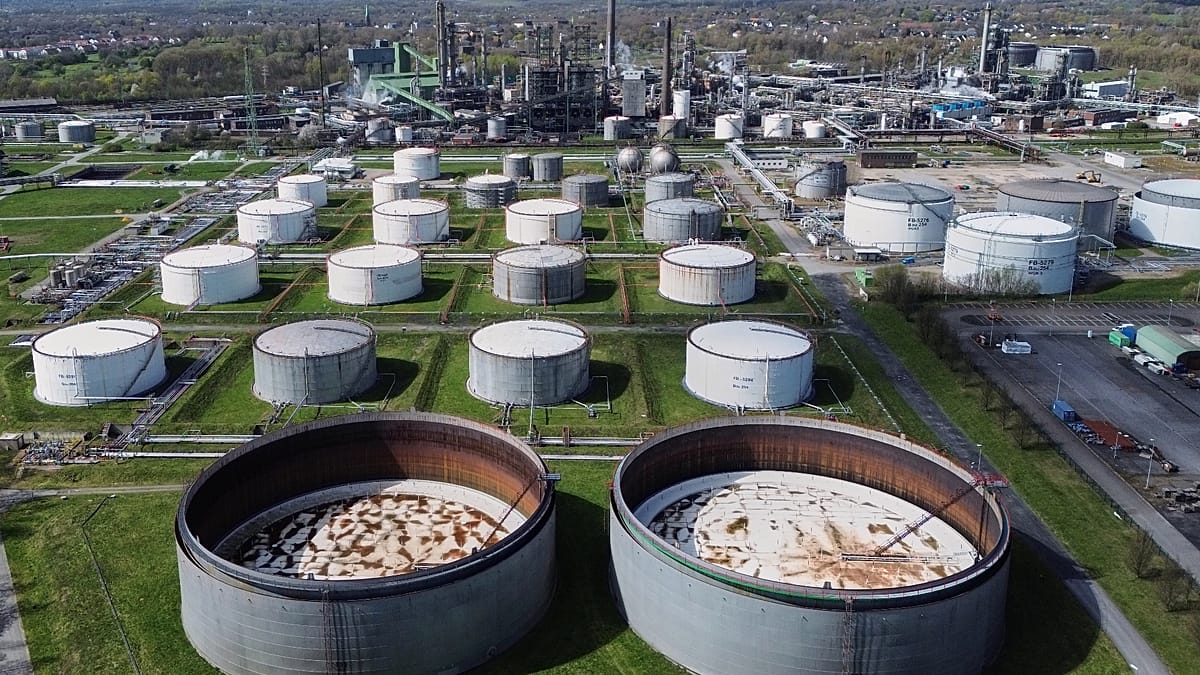
Petrol and diesel prices are hitting hard on wallets across Europe, and it’s raising eyebrows everywhere. You’d think with crude oil not breaking any records, we’d see some relief at the pump, right? Wrong! The truth is, while crude oil prices have fluctuated between $73 and $126 a barrel over recent months, the refining costs and supply issues are what really drive the prices up for the average consumer. As of late August, petrol averaged €1.95 a litre across the EU, just a smidge below the peak of €2.03 from June 2022. Diesel isn’t faring much better, sitting at about €2.04, a mere 3% down from its record of €2.11 in April 2026.
You see, folks, the problem isn’t just about crude oil availability. “This is increasingly a refining and product-supply problem rather than simply a crude-supply problem,” says Sumit Ritolia, a lead analyst at Kpler. Crude may be flowing, but refining it into diesel and petrol? That’s a different story. Almost 90% of passenger cars on EU roads still run on petrol and diesel, with nearly half of those on petrol and a significant chunk on diesel. These fuels are essential for road freight, agriculture, and construction, meaning that if prices keep climbing, the cost of food and other staples could soon follow suit.
Now, let’s talk about the situation in Europe. Fuel inventories are running low, and with ongoing conflicts in the Middle East and attacks on Russian refineries, global supplies of refined products are taking a hit. Following the Russian invasion of Ukraine, Europe shifted its diesel and jet fuel sourcing towards the US, India, and the Middle East, which has only intensified competition for supplies. “For diesel and jet, Europe is the big importer, so it sets global prices,” Ritolia points out. Prices here are elevated, but they are high everywhere else too.
But it gets trickier. With Middle Eastern and Russian product exports constrained, countries like Turkey and Brazil are now competing with European buyers for limited supplies from the US and India. This disruption can tighten supplies globally, as trade flows adjust. The refining margins are through the roof, with petrol trading at a premium of over $62 a barrel above Brent futures, almost breaking the record from June 2022. Diesel futures have even outdone that, reaching a jaw-dropping premium of nearly $79 per barrel.
As refineries operate at high capacity with low inventories, the pressure is on. A recent report showed petrol stocks in key European hubs dropped to their lowest levels in years. And with impending autumn maintenance seasons and the threat of hurricanes hitting US Gulf Coast refineries, the refining landscape appears precarious. Sure, some analysts believe petrol prices might ease as summer driving demand decreases, but diesel? Not so much. Diesel margins could remain high, especially with winter knocking on the door and demand for heating fuel rising.
Looking ahead, there’s a glimmer of hope. Higher diesel exports from China could provide some relief, and India might step up with more fuel supply to Europe too. But don’t get your hopes up too high just yet. Even if crude prices dip, pump prices may not follow suit immediately. The real bottlenecks are the limited spare refining capacity, product shortages, and low inventories.
Analysts say that for European consumers to see real relief, we’d need the reopening of the Strait of Hormuz and a recovery in Middle Eastern fuel exports. “If the Strait opens, the crude price would probably drop quite sharply,” Gelder adds, suggesting a potential price drop down the line. But will we see that, or are we in for a long stretch of high prices? That’s a question that keeps everyone on edge…
Kaynak: Orijinal Haber