John Healey’s Surprising Rise to Chancellor After Defense Resignation

John Healey has stepped into the role of Chancellor just weeks after his unexpected resignation from the defense sector, a move that raised eyebrows

John Healey has stepped into the role of Chancellor just weeks after his unexpected resignation from the defense sector, a move that raised eyebrows across political circles. His departure came amid a turbulent time for Andy Burnham, whose premiership was crumbling. Healey’s principled stand earned him respect from various political factions, making his return to a pivotal cabinet position even more astonishing.

In his resignation letter, Healey made it clear that the Treasury was “unwilling” to meet the demands of defense, highlighting a clash with his predecessor, the now former Chancellor. This resignation came just days before Burnham’s departure from Downing Street, marking a period of chaos within the Labour Party. According to sources speaking to the BBC, Burnham and Healey share similar views, which likely influenced Burnham’s decision to appoint Healey to such a crucial role.

Before venturing into politics, Healey had a career in journalism, making a mark as he briefly edited coverage of the landslide 1997 general election. He represents Wentworth, an area that was once a mining hub north of Sheffield, now known as Rawmarsh and Conisbrough. In the 2024 general election, he managed to retain his seat with a comfortable majority of 6,908 votes, fending off competition from a Reform UK candidate.

Throughout the early 2000s, Healey held various ministerial positions, including roles in housing and local government during the Blair and Gordon Brown administrations. His true passion lay in housing policy, as he served as the shadow housing secretary under Jeremy Corbyn, despite having backed a failed attempt to remove Corbyn in 2016. Surprisingly, pundits had not placed Healey as a frontrunner for the Chancellor position, as he was often overlooked in discussions surrounding potential candidates for the job.

When Sir Keir Starmer ascended to the leadership of the Labour Party in 2020, Healey was appointed shadow defense secretary. When Labour returned to power four years later, he became defense secretary. Known for his staunch support of Ukraine, Healey visited the country multiple times to meet President Zelensky, demonstrating his commitment to international defense issues. At a NATO meeting in September 2024, he expressed confidence in forging a long-term strategy to enhance the UK’s military capabilities.

In April, Healey famously delivered a pointed message to Russian President Vladimir Putin, asserting, “We see you,” during a briefing concerning covert Russian submarine operations. Following the announcement of the defense investment plan, he criticized what he called “Treasury trickery.” Now, as Chancellor, he has the chance to outline these plans himself, which could bode well for his successor at the Ministry of Defense.

Healey has also expressed a desire for the UK to join a global defense bank, signaling a shift in how British firms might be prioritized in defense spending. The implications of his policies remain to be seen, but one thing is clear: Healey’s journey from defense secretary to Chancellor has raised many questions about the future direction of the Labour Party and its policies.

What will this mean for the UK’s defense strategy moving forward? Time will tell, but all eyes are on Healey as he steps into this critical role.

Kaynak: Orijinal Haber

Andy Burnham’s Ambitious Plans: What Will the Financial Impact Be?

Up until this point, the new Prime Minister Andy Burnham has described his policy changes with a broad brush. But now, as he steps into the demanding

Up until this point, the new Prime Minister Andy Burnham has described his policy changes with a broad brush. But now, as he steps into the demanding role of high national office, he’s facing the hard realities and constraints of governing. Just this past Monday, Burnham pointed out that the 10-year borrowing rate for flexibility rose above 5% after a recent decline. This uptick isn’t seen in other European economies and, while not drastic, it underscores the sensitivity of the current economic climate, especially as Burnham reshuffles his cabinet.

Every decision he makes is being watched closely, both by the public and the markets. Burnham is taking this scrutiny to heart, especially as some major unions have rallied behind his plans, which could set the government back at least £4 billion, depending on inflation rates. There are discussions about unfreezing the tax thresholds in 2027—moving the current £12,570 basic rate to £13,000, and increasing the upper limit from £50,271 to £52,000. They’re even considering rolling it back to what it would have been had the freeze not occurred, and we’re talking about folks like nurses, midwives, paramedics, teachers, and engineers here.

However, insiders from Number 10 are raising eyebrows at this approach. It adds to a growing list of net spending policies and throws up questions about how much tax will need to rise or how much extra borrowing will be required to balance the budget. Burnham’s vision, which he refers to as “Manchesterism,” aims to show he can achieve what he calls “sustainable reform.” He’s looking to tackle the same manifesto and borrowing rule constraints as his predecessor, but it’s clear he wants to push for more.

Burnham believes that his plans to “rewire Britain” will spark economic growth. The catch? Many of these solutions are long-term and could take years to bear fruit. With the quick turnover of prime ministers and chancellors lately, even thinking a few years down the line feels like a luxury. Burnham is promising financial relief to the public, but the big questions loom: how will this affect jobs, borrowing, and taxes?

As Burnham navigates these choppy waters, we’re left wondering how all these ambitious plans will unfold. Will the public feel the impact in their wallets? Will he manage to deliver on his promises? Only time will tell…

Kaynak: Orijinal Haber

Azerbaijan Expands Cooperation with Germany Beyond Oil and Gas

Azerbaijan is stepping up its relationship with Germany, and it’s not just about oil and gas anymore. This shift marks a significant change in how

Azerbaijan is stepping up its relationship with Germany, and it’s not just about oil and gas anymore. This shift marks a significant change in how Azerbaijan positions itself in the European market. The partnership is now reaching into various sectors including technology, agriculture, and education, aiming to create a sustainable economic environment that benefits both countries.

Recent discussions have highlighted the potential for Azerbaijan to become a pivotal player in Europe, especially as the global energy landscape is shifting. While oil and gas remain crucial, Azerbaijan is eager to showcase its diverse economic capabilities. High-ranking officials from both countries have met to discuss how they can expand their collaboration into new areas like renewable energy, information technology, and even cultural exchanges.

You might be wondering, why the sudden push? Well, Germany is looking for reliable partners to secure its energy needs and diversify sources. Azerbaijan, on the other hand, aims to reduce its dependency on hydrocarbons by nurturing other sectors. This is a win-win situation, folks. With both nations sharing expertise and resources, they’re paving the way for a more resilient economic future.

Furthermore, Azerbaijan’s strategic location as a bridge between Europe and Asia gives it a unique advantage in trade. It’s not just about exporting energy; it’s about establishing a strong foothold in various industries that can thrive in the European market. The collaboration with Germany could also lead to job creation and innovation back home, which is something every Azerbaijani is rooting for.

And let’s not forget, this partnership isn’t just business; it’s about cultural understanding and enhancing people-to-people connections. There are plans for joint educational programs and cultural exchanges that will deepen ties beyond mere transactions. This could foster a sense of community and shared goals between the two nations.

So, as we look ahead, the question remains: how will this evolving partnership affect the broader geopolitical landscape? Will Azerbaijan successfully transition into a more diversified economy, or will it face challenges along the way? Only time will tell, but one thing is for sure: the world is watching.

Kaynak: Orijinal Haber

Ryanair’s Profit Plunge: How the Iran Conflict is Impacting Air Travel

Ryanair has reported a staggering 34% drop in pre-tax profits, falling to €593 million (£503 million) between April and June, as passenger number

Ryanair has reported a staggering 34% drop in pre-tax profits, falling to €593 million (£503 million) between April and June, as passenger numbers and sales hit a plateau. The budget airline has been forced to slash ticket prices to entice travelers who are increasingly hesitant to fly amid the ongoing tensions in Iran. This hesitancy is causing a significant ripple effect on the airline’s financial performance, with Ryanair also projecting summer fares to be slightly lower than last year due to this growing consumer wariness.

The situation is further complicated by concerns over rising fuel costs. The longer the Strait of Hormuz remains closed and the conflict escalates, there is a looming risk that oil prices could surge to around $150 a barrel. This spike would be necessary to balance the reduced supply caused by geopolitical tensions. It’s a complex scenario—Neil Sorahan, Ryanair’s chief financial officer, has emphasized that while this is not their base case, the risks are undeniably high.

Interestingly, between April and June, Ryanair still managed to increase its revenue by 1% to €4.4 billion. Passenger numbers climbed 6% to 6.1 million, largely boosted by the Easter holiday in April. However, fares took a hit, dropping by 6%, as the airline sought to attract nervous flyers who are apprehensive about the unfolding events in the Middle East. It’s a tough balancing act for Ryanair; they want to fill up those seats but also have to navigate the turbulent waters of an unpredictable global landscape.

In fact, flights on Ryanair’s popular Mediterranean routes are still reportedly full, but the question remains: how sustainable is this trend with the looming specter of conflict? Will travelers continue to book flights, or will they think twice given the current global instability? The airline industry is bracing itself, and as the situation evolves, it’s a wait-and-see game for everyone involved. What does the future hold for air travel in this new reality? Only time will tell…

Kaynak: Orijinal Haber

Don’t Miss Out! Are You Eligible for £27 Weekly Child Benefit?

Thousands of parents could be missing out on £27 a week simply by not remembering some paperwork right after their little one arrives. Child Benefit

Thousands of parents could be missing out on £27 a week simply by not remembering some paperwork right after their little one arrives. Child Benefit is a crucial allowance that helps families with the cost of raising children, currently standing at £27.05 a week for the first child and £17.90 for each additional child. Can you believe it? Official data reveals that nearly a third of parents eligible for this benefit don’t file a claim before their baby’s birth or adoption certificate is issued.

Now, here’s where it gets interesting. Child Benefit claims can be made just 48 hours after your baby’s first birthday. This means thousands of families might not be receiving what they’re actually entitled to… Can you imagine that? The tax authority has pointed out that many parents may have opted out of claiming due to restrictions that apply to high-earning households. Under the High Income Child Benefit Charge, payments start to get reduced when one parent earns £60,000 a year, and they completely stop when earnings hit £80,000.

Last year, a staggering 585,396 babies were born in England and Wales, according to the Office for National Statistics. And guess what? Olivia has reigned as the top name for girls for the 10th consecutive year, while Muhammad has topped the boys’ names list for the third year running. Meanwhile, in Scotland, Freya has taken over as the most popular name for girls, with Noah still holding strong for boys.

So, if you’re a parent, listen closely! Make sure you have your National Insurance number ready—yours and your partner’s, if applicable. Don’t let these payments slip through your fingers. It’s hard to believe how many families might be leaving money on the table…

What’s the takeaway? If you’re a new parent or know someone who is, remind them to check their eligibility for this essential benefit. Every penny counts, right?

Kaynak: Orijinal Haber

Thames Water’ın Ulusallaşma Hamlesine Hukuki Engel Geliyor!

Thames Water’ın borç yükü, işlerin pek de yolunda gitmediğini gösteriyor. Lenders, Burnham liderliğindeki bir hükümetin Thames Water’ı

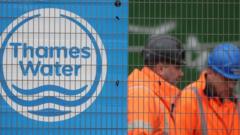
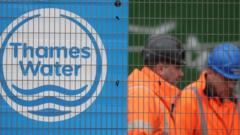
Thames Water’ın borç yükü, işlerin pek de yolunda gitmediğini gösteriyor. Lenders, Burnham liderliğindeki bir hükümetin Thames Water’ı ulusallaştırma girişiminde bulunması halinde hukuki bir meydan okuma hazırlığı içerisinde. Sözcü, “Her türlü duruma hazırlıklıyız” dedi. Bu durum, halkın suya erişimi açısından büyük önem taşıyor. Ancak, bu borçlu firmaya 3.35 milyar sterlin nakit enjekte eden kredi verenler, çevre kirliliği cezalarında daha fazla esneklik talep ediyorlar. Yani, şirketin başarısızlıklarını telafi etme konusunda bir tür koruma istiyorlar.

Thames Water, neredeyse 20 milyar sterlinlik dev bir borç yüküne sahip. Bu durum, hükümetin müdahalesinin ne kadar gerekli olduğunu sorgulatıyor. İşin aslı, Thames Water’ın geleceği, yeni yönetim için önemli bir politika testi niteliğinde. Burnham’ın ekibi, “Öncelikle ne yapacağımıza bakalım,” dedi. Lucy Powell, “Su özelleştirmesi işe yaramadı,” diyerek bu konudaki görüşünü açıkladı. “Rekabet oluşturmadı,” diyen Powell, bu durumun halkı nasıl etkilediğine de dikkat çekti.

Bir “özel yönetim rejimi” önerisi gündemde. Yani, Thames’ın bir tür kamu kontrolü altında yönetilmesi söz konusu. Bu, muslukların ve tuvaletlerin çalışmaya devam edeceği anlamına geliyor ama bu süreçte bir dizi sorunun da çözülmesi gerekecek. Thames Water’ın bu durumu, yeni hükümet için büyük bir sınav.

Thames Water’ın karşı karşıya olduğu bu zorluklar, sadece mali açıdan değil, aynı zamanda çevresel etki açısından da kritik öneme sahip. Hükümetin kurtarma planlarına itiraz etmesi, durumun ciddiyetini gözler önüne seriyor. Peki, bu sorunlar nasıl çözülecek? Gelişmeleri yakından takip ediyoruz…

Kaynak: Orijinal Haber

Thames Water’ın Ulusallaşması İçin Hukuki Mücadele Hazırlığı!

Thames Water’ın borçlu durumuyla başı dertte olan kredi verenleri, eğer Burnham liderliğindeki bir hükümetin ulusallaşma girişiminde bulun

Thames Water’ın borçlu durumuyla başı dertte olan kredi verenleri, eğer Burnham liderliğindeki bir hükümetin ulusallaşma girişiminde bulunması halinde hukuki bir mücadeleye hazırlık yapıyor. Yaklaşık 20 milyar sterlinlik bir borç yüküyle boğuşan şirket, bu süreçte çevresel kirlilik cezalarından muafiyet talep ediyor. Kredi verenlerin sözcüsü, “Her ihtimale karşı hazırlıklıyız” diyerek durumu özetliyor. Yani, bu önemli su hizmeti sağlayıcısının geleceği belirsizliğini koruyor.

Burnham’a yakın kaynaklara göre, hükümetin bu güçleri kullanma niyetinde olup olmadığı henüz netlik kazanmamış. Laboratuvar, “Su privatizasyonu çalışmadı” derken, bu durumun ne kadar ciddi olduğunu da vurguluyor. Burada önemli bir detay var: Thames, bir “özel yönetim rejimi”ne alınabilir. Yani, kamu kontrolündeki musluklar ve tuvaletler çalışmaya devam edecek ama şirketin geleceği, yeni yönetim için büyük bir politika testi olacak.

Thames Water’ın durumu, gerçekten de zor bir sınavla karşı karşıya. Hükümet, kurtarma anlaşmasına karşı çıkınca, bu ulusallaşma fikri daha da gündeme geldi. Şirketin içinde bulunduğu durum, herkesin aklında bir soru işareti bırakıyor: “Neden bu kadar kötü bir durumda?” İşte bu sorunun cevabı, kısmen şirketin kötü yönetimi ve devasa borçlarıyla ilgili.

Liderlerden biri olan Lucy Powell, “Bakalım, hükümet bunu yapmaya ihtiyaç duyacak mı?” diye sorarak, durumun ciddiyetini gözler önüne seriyor. Thames Water’ın geleceğini merakla takip edenler için bu, önemli bir gelişme. Önümüzdeki günlerde neler olabileceği ise belirsizliğini koruyor.

Bakalım, bu hukuki mücadele nasıl sonuçlanacak? Thames Water’ın akıbeti, sadece su tüketicileri için değil, aynı zamanda çevre ve ekonomi için de kritik bir mesele olarak karşımıza çıkıyor.

Kaynak: Orijinal Haber

Chinese Firm Demands Compensation After British Steel Nationalisation

The former owner of British Steel has announced plans to seek compensation from the British government following the nationalisation of the loss-mak

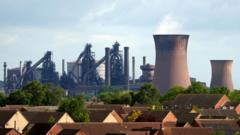
The former owner of British Steel has announced plans to seek compensation from the British government following the nationalisation of the loss-making firm. The UK government took control of the Scunthorpe steelworks about a year ago, which has since raised eyebrows and sparked tension in the relationship between London and Beijing. The decision to nationalise British Steel comes at a particularly sensitive time, with Andy Burnham set to step into Downing Street as the new Prime Minister on Monday. This move has left many wondering: what will be the future of British Steel?

China has been vocally critical of the UK government’s actions, stating that the nationalisation is a serious infringement on the rights and interests of Jingye, the Chinese company that previously owned the steelworks. The Chinese commerce ministry expressed that they would support their firms in protecting their rights, although the specifics of this support remain unclear. The UK government, on the other hand, has defended its decision, citing failed commercial negotiations with the Chinese steelmaker that did not yield a fair deal for taxpayers.

The Scunthorpe plant employs around 2,700 workers and is crucial for various industries in North Lincolnshire. However, it has faced a lot of uncertainty in recent years. A report from the National Audit Office released in March highlighted that keeping the plant operational was costing the government approximately £1.3 million a day. Business Secretary Peter Kyle stated that shutting down the operation was not an option, and assured that the government would continue to cover its running costs “for the immediate future.”

It’s worth noting that British Steel was last in state ownership back in 1988, when Margaret Thatcher’s government privatised it. The current nationalisation of British Steel aims to preserve a vital national capability, with officials stressing that this move is intended to protect future generations. But will it be enough to mend the rift with China? As the situation unfolds, many are left pondering the implications of this nationalisation on international relations and the future of steel production in the UK.

Kaynak: Orijinal Haber

EU’s New Border System Causes Long Waits at Passport Control

Passengers landing at Fuimicino Airport in Rome have been facing lengthy queues at passport control, and it seems like the new European Union Entry E

Passengers landing at Fuimicino Airport in Rome have been facing lengthy queues at passport control, and it seems like the new European Union Entry Exit System (EES) is to blame. Reports from mid-July highlighted that travelers were waiting for up to two hours just to get through, especially families with children. One frustrated traveler mentioned, “I knew it was going to be bad, but not as bad as that. We actually missed our car and our driver!”

The EES is a new digital system requiring non-EU citizens to register their fingerprints and take a photo upon entering the Schengen area, which comprises 29 European countries. This information is then checked when they leave. However, despite improvements, the technology has been plagued by bugs, as pointed out by the airport boss in Faro, Portugal. He assured that queues would eventually decrease, but for now, travelers should be prepared for extended waits.

The European Commission (EC) has stated that disruptions are limited at most EU airports and that support for the system’s implementation will continue. However, many travelers are still feeling the impact. “The queue was huge, nearly an hour… it was just slow,” said one visitor. Another traveler shared a similar experience, recalling how they had to wait nearly two hours from disembarking to clearing passport control, which can be particularly frustrating for those traveling with kids.

Interestingly, only Sweden and Portugal have implemented a pre-registration app to help ease the process. Additionally, countries can suspend the EES under exceptional circumstances, a move that airports and airlines have been advocating for in anticipation of busy travel periods. Yet, a recent meeting with the EC yielded no changes to the current situation.

In Portugal, Superintendent Pedro Oliveira, who oversees border control at Faro airport, mentioned the challenges posed by an influx of UK travelers. “The high number of UK passengers arriving means some degree of queuing is to be expected,” he stated, adding that complications with the EU’s new IT system can lead to server crashes. “Sometimes crashes happen in all member states at the same time, and we need a few minutes to reboot everything.”

To combat the delays, more border officers have been recruited, and for families, children under 16 are directed to a border police staff member to record their biometric information. As for the future, travelers are advised to arrive three hours before their flights to avoid any last-minute rush.

So, what will happen next as the EU continues to adapt this new system? Will travelers ever see the end of these long waits? Let’s keep an eye on this situation!

Kaynak: Orijinal Haber

Iranian Rial Plummets as US Dollar Reaches Unprecedented High!

The US dollar has hit a staggering record high against the Iranian rial, trading at a jaw-dropping 1.941 million rials. This marks an increase of 32

The US dollar has hit a staggering record high against the Iranian rial, trading at a jaw-dropping 1.941 million rials. This marks an increase of 32,000 rials, or 1.67%, from the previous day’s unofficial close. The Iranian currency has been on a downward spiral, losing about 43.7% of its value against the dollar since the beginning of the year, when it was trading around 1.35 million rials. This drastic shift is sending shockwaves through the economy and raising fears of another wave of inflation…

As tensions rise in the region, especially after Tehran’s threats on April 7 to launch air strikes, the rial’s devaluation is linked to broader geopolitical instability. The US has been vocal about its operations in the southern regions, claiming they aim to curb Iran’s inflation rate. But the situation is far from stable; inflation in Iran has now soared to levels not seen since the Second World War! Can you believe that? The purchasing power of the rial continues to erode, with rapid monetary expansion compounding the crisis. It’s a grim picture for the everyday Iranian…

The streets are buzzing with concern. Citizens are feeling the pinch as prices rise and the cost of living skyrockets. Vendors are struggling to keep up with the inflation, and shoppers are left bewildered at the rising costs of basic goods. The instability in the currency market is not just a number on a screen; it’s affecting lives, creating uncertainty in households across the country. People are asking, “What’s next?” as they watch their savings dwindle…

The Iranian economy is at a critical juncture. With inflation climbing to unprecedented heights, the future remains uncertain. What will happen next? How will the government address this spiraling crisis? These are questions that linger in the air, leaving many anxious about the days ahead. The people are bracing for impact, and all eyes are on the government’s next move…

Kaynak: Orijinal Haber